14 Cheap Healthy Breakfast Ideas That Cost Less Than $1.50 Per Serving
Eating a healthy breakfast does not require a Whole Foods run or a $12 smoothie. The most nutritious morning meals on the planet oats, eggs, beans, bananas are also some of the cheapest foods in any grocery store. The disconnect between “healthy” and “expensive” is mostly a marketing problem, not a food problem.
The real challenge is knowing which cheap foods actually fill you up and fuel your morning, versus which ones leave you hungry and crashing by 9 a.m. That’s exactly what this list solves: Cheap Healthy Breakfast Ideas every option here is under $1.50 per serving, genuinely nutritious, and fast enough for a real weekday morning.
If you’re tired of skipping breakfast because “there’s nothing in the house,” these recipes will fix that permanently. Most of them use ingredients you can buy once and eat all week.
Classic Oatmeal With Banana and Peanut Butter
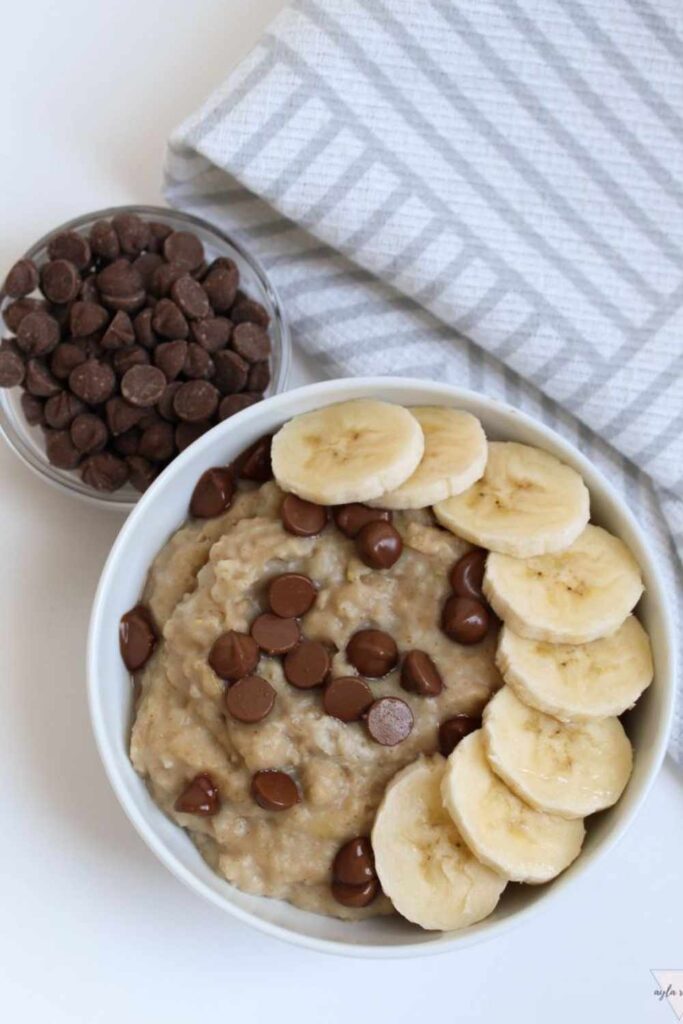
Oatmeal is the undisputed king of cheap healthy breakfasts but plain oatmeal without the right additions is also the reason people quit eating it after three days.
The formula that actually works: oats + fat + protein + natural sweetness. Half a cup of rolled oats ~$0.15, half a banana ~$0.10, and a tablespoon of peanut butter ~$0.15 gives you a breakfast that costs around $0.40 and delivers 10–12g of protein, 5g of fiber, and enough slow-releasing energy to carry you through a full morning.
Cook oats in water or milk, stir in peanut butter while still hot so it melts through, slice banana on top, and add a pinch of cinnamon and a drizzle of honey if you have it. The peanut butter fat slows digestion considerably. This is not the version of oatmeal that leaves you hungry at 9:30 a.m.
The rolled vs instant distinction matters:
Rolled oats have a lower glycemic index than instant oats and cost the same or less per ounce when bought in bulk. The extra 3 minutes of cook time is worth it every single time.
Scrambled Eggs With Toast and Hot Sauce
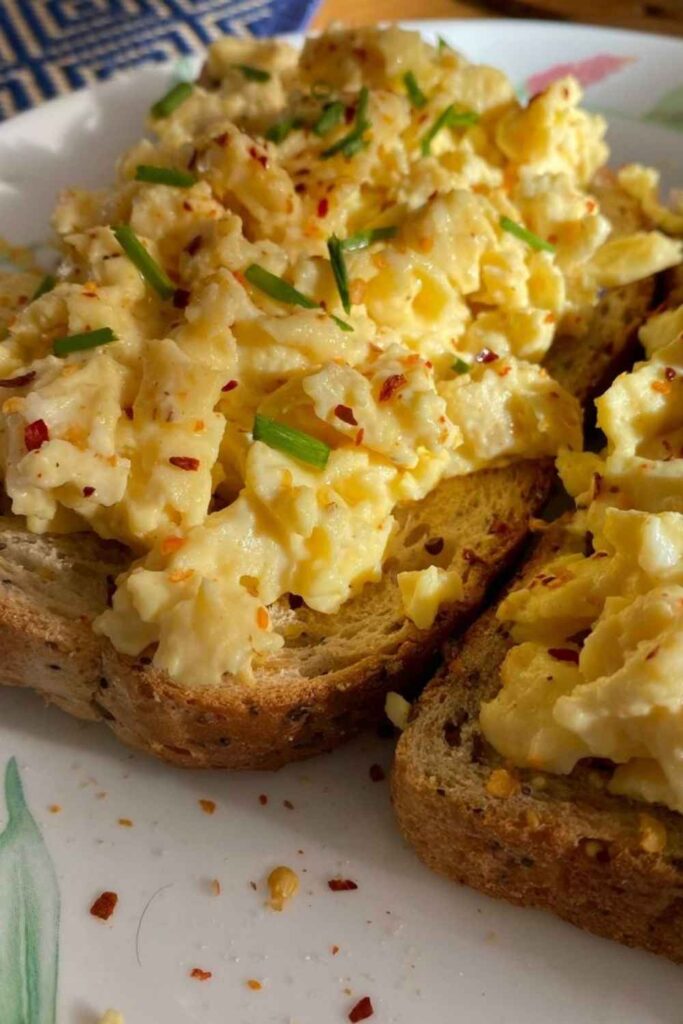
Eggs are one of the most cost-efficient protein sources in existence around $0.25–$0.35 per egg depending on where you shop and two eggs on whole wheat toast with hot sauce is a breakfast that punches well above its price tag.
Two eggs scrambled in a little butter, two slices of whole wheat toast ~$0.20, and a splash of Cholula or Tabasco runs you about $0.80–$0.90 total. That’s 14g of protein, healthy fats, and complex carbohydrates for under a dollar.
The technique tweak nobody mentions:
Remove the pan from heat just before the eggs look fully set. Residual heat finishes them perfectly overcooked scrambled eggs are rubbery and less satisfying, which makes you want more food sooner.
Add a handful of spinach to the pan 30 seconds before the eggs for extra nutrients at essentially zero cost. A bag of frozen spinach ~$1.50 lasts weeks and adds iron and folate to every breakfast.
IMO, hot sauce is the most underrated breakfast condiment
. It adds flavor complexity that makes a simple egg toast feel like an intentional meal rather than a lazy fallback.
Read More About:44 Best Vegan Breakfast Recipes That Keep You Full Until Lunch (2026)
Overnight Oats With Cheap Healthy Breakfast Ideas Frozen Berries
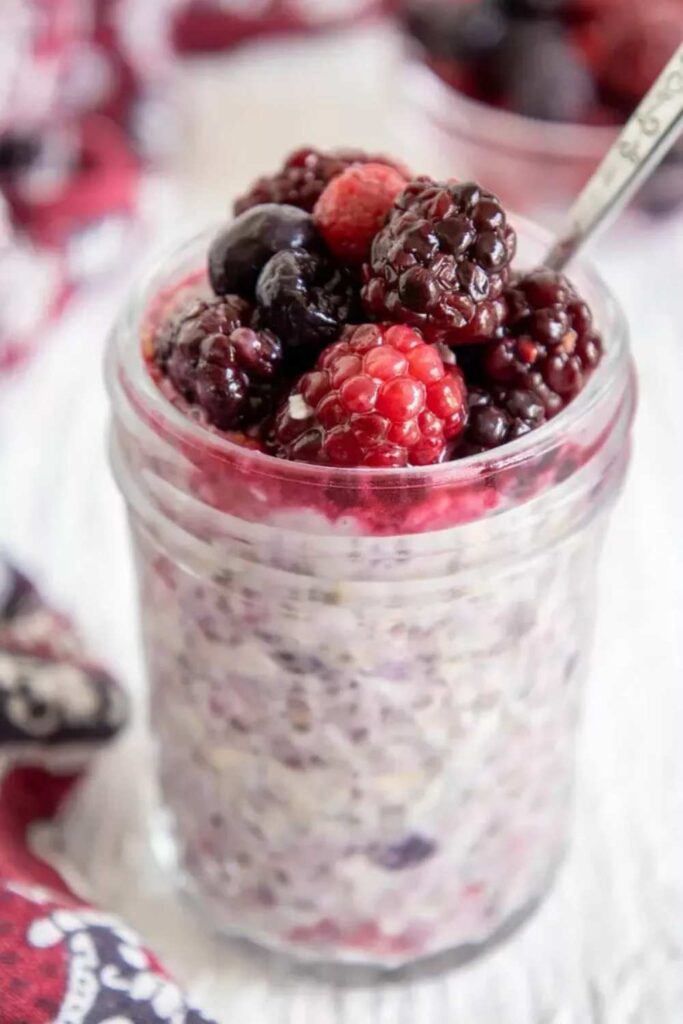
This is the meal prep breakfast that costs almost nothing and requires exactly five minutes the night before which means zero morning effort.
Cost breakdown per jar: ½ cup rolled oats ~$0.15, ¾ cup oat milk or regular milk ~$0.20, 1 tbsp chia seeds ~$0.12, ¼ cup frozen berries ~$0.25, drizzle of honey ~$0.05. Total: ~$0.77 per serving.
Combine everything in a mason jar, stir well, refrigerate overnight. In the morning, stir again and eat cold or microwave for 90 seconds. Make four jars Sunday night and Monday through Thursday breakfast is completely handled.
The frozen berry advantage:
Frozen berries are nutritionally identical to fresh, often better, since they’re frozen at peak ripeness and cost 60–70% less. A 1kg bag of frozen mixed berries runs about $3–4 and makes 12–16 servings of overnight oats. Fresh berries at $4 for a small punnet make maybe three.
The chia seeds aren’t optional here. They absorb liquid overnight and transform the texture from thin porridge to thick, pudding-like consistency. They also add 5g of fiber and 3g of protein per tablespoon.
Banana Peanut Butter Toast
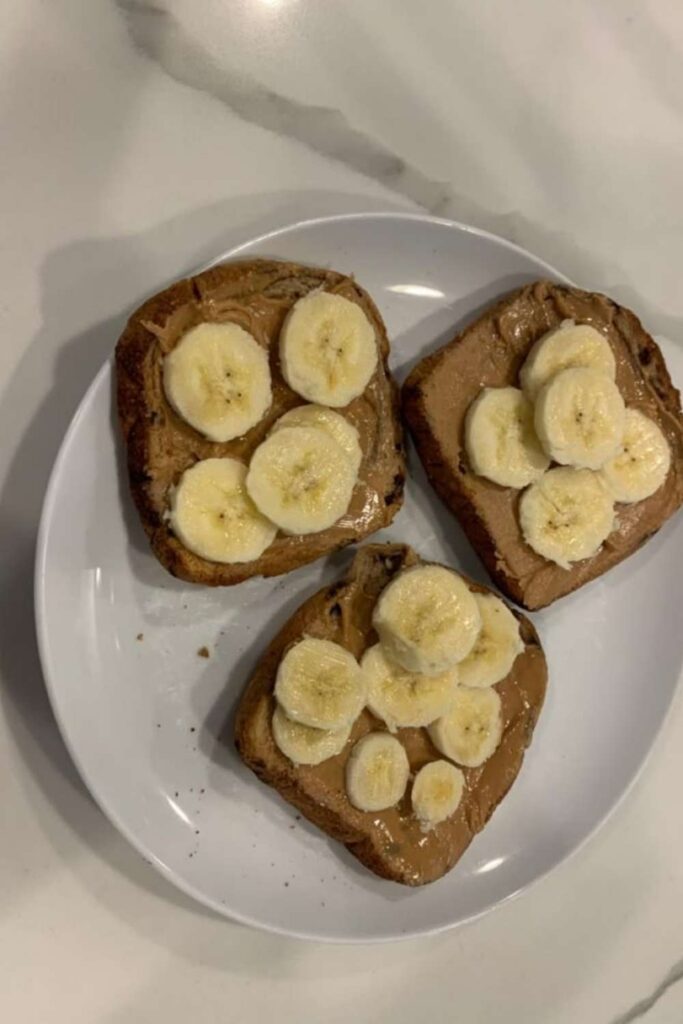
Some breakfasts are cheap because they cut corners. This one is cheap because the ingredients happen to be inexpensive and genuinely excellent together.
Two slices of whole wheat bread ~$0.20, one tablespoon of peanut butter ~$0.15, half a banana ~$0.10, a sprinkle of cinnamon. Total: ~$0.45. That’s a real breakfast for less than fifty cents.
The combination works nutritionally because bananas provides fast-releasing carbohydrates for immediate energy while peanut butter’s fat and protein slow the overall absorption. You get the quick energy without the spike-and-crash.
Upgrade without spending more:
Slightly warm the peanut butter in the microwave for 15 seconds before spreading. It becomes glossy, drizzle-able, and coats the bread more evenly. Small thing, noticeably better eating experience.
Use ripe bananas, the ones with brown spots that you’d otherwise throw out. They’re sweeter, softer, and spread more easily. Overripe bananas are not a compromise here; they’re the better choice.
Read More About:32 No Cook Breakfast Ideas That Are Actually Filling and Take Under 5 Minutes
Greek Yogurt With Granola and Honey
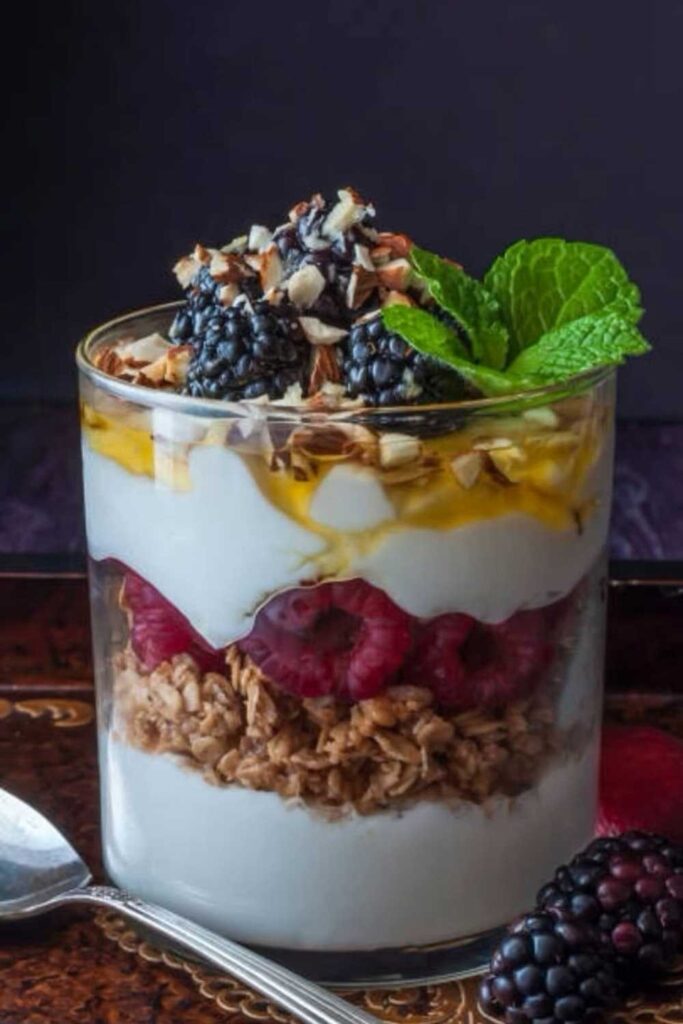
Greek yogurt is one of the densest, most filling cheap breakfast options available but only if you buy it right.
The buying strategy most people miss:
Store-brand plain Greek yogurt in large 32oz containers costs roughly $0.20–$0.25 per serving and has the same nutritional profile as name-brand individual cups at $1.50–$2 each. You’re paying a 600% premium for the cup. Buy the large container, portion it yourself.
A ¾ cup serving of plain Greek yogurt ~$0.22 with 2 tablespoons of granola ~$0.20 and a small drizzle of honey ~$0.05 runs about $0.47 and delivers 15–17g of protein. That’s a genuinely high-protein breakfast for under fifty cents.
Plain over flavored, always.
Flavored Greek yogurt contains 15–20g of added sugar per cup roughly the same as a candy bar. Plain yogurt with a drizzle of real honey is sweeter-tasting, cheaper, and significantly better for you.
If granola feels expensive, swap it for a tablespoon of rolled oats toasted dry in a pan for 3 minutes with a pinch of cinnamon. Costs almost nothing, tastes like homemade granola.
Veggie Egg Muffins Batch-Baked
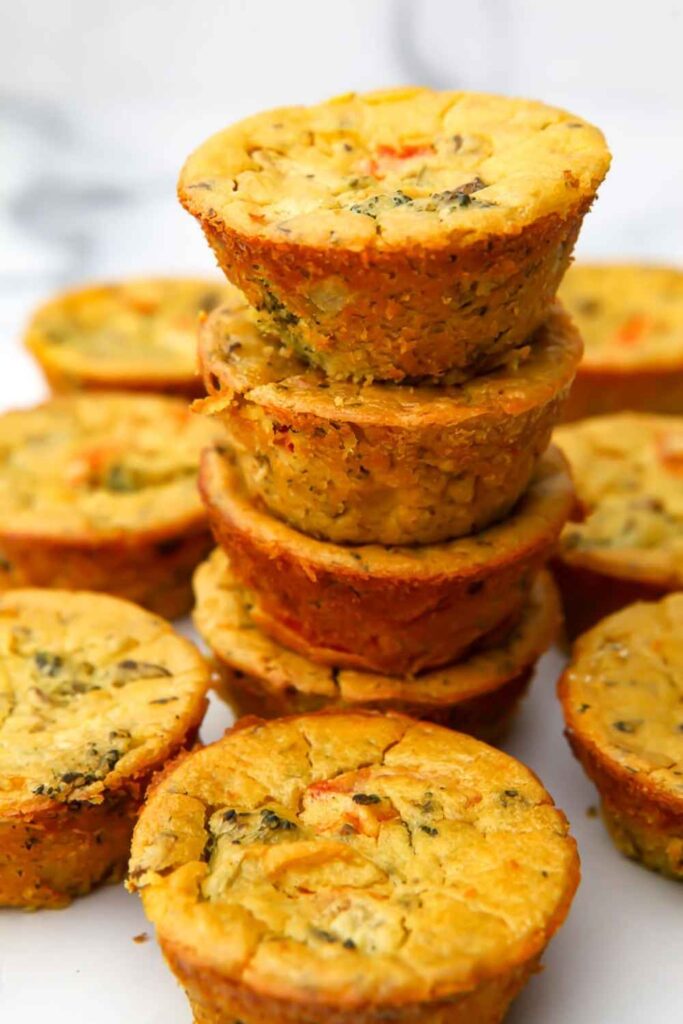
These are the meal prep moves that people who “never have time for breakfast” actually use. Make 12 on Sunday, refrigerate, and microwave one or two each morning for 45 seconds.
Ingredients makes 12 muffins, ~$0.30 each:
- 6 large eggs ~$1.50
- ½ cup diced bell pepper ~$0.40
- ½ cup diced onion ~$0.15
- ½ cup frozen spinach, thawed and squeezed ~$0.25
- Salt, pepper, garlic powder
- Optional: 2 tbsp shredded cheese ~$0.20
Whisk eggs with seasoning, fold in vegetables, pour into a greased muffin tin, and bake at 350°F 175°C for 18–20 minutes until set. Cool completely before refrigerating.
Why these work better than most batch breakfasts:
Each muffin is a self-contained, portion-controlled breakfast. Two muffins = roughly 12g of protein and a full serving of vegetables. They reheat without getting rubbery if you microwave on 70% power for 45 seconds instead of full blast.
The vegetables you use don’t matter much, use whatever needs to be finished. Mushrooms, zucchini, leftover roasted vegetables, even corn. This recipe is designed to reduce waste, not create a precise dish.
Read More About:10 Satisfying Breakfast Smoothie Recipes to Stay Full for Hours 2026 Guide
Chia Pudding With Oat Milk
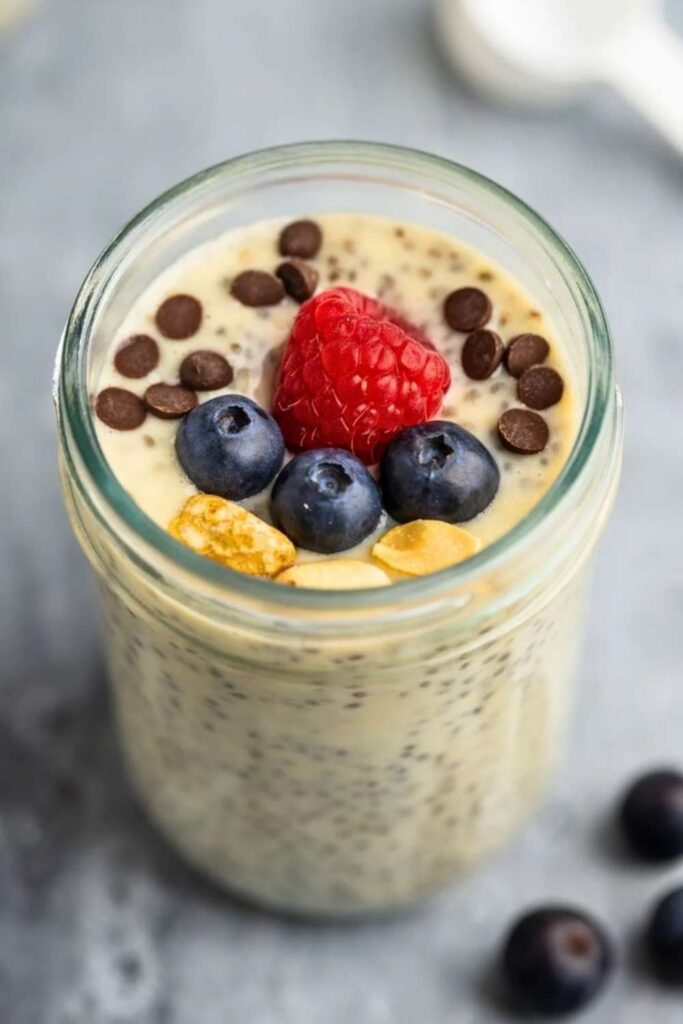
Chia pudding sounds like expensive health food. It is not. At roughly $0.60–$0.70 per serving, it’s one of the cheapest high-fiber breakfasts you can make and it requires zero cooking.
Basic recipe 1 serving:
- 3 tbsp chia seeds ~$0.36
- 1 cup oat milk or regular milk ~$0.20
- ½ tsp vanilla extract ~$0.05
- 1 tsp honey or maple syrup ~$0.05
Stir everything together, wait 5 minutes, stir again to break up clumps, refrigerate overnight. Top in the morning with whatever fruit you have: frozen berries, sliced bananas, or nothing at all.
The nutritional case for chia seeds at budget level:
Three tablespoons deliver 10g of fiber, 5g of protein, and more omega-3 fatty acids than most people get in a full day. A 1lb bag of chia seeds costs $6–8 and makes 20+ servings. That’s a better nutrition-per-dollar ratio than almost any breakfast food you can name.
Texture tip: The second stir at the 5-minute mark is the step people skip, and it’s why their chia pudding ends up with a clumpy gel mass at the bottom. Stir twice before refrigerating and the texture distributes evenly.
Homemade Smoothie With Frozen Fruit and Oats
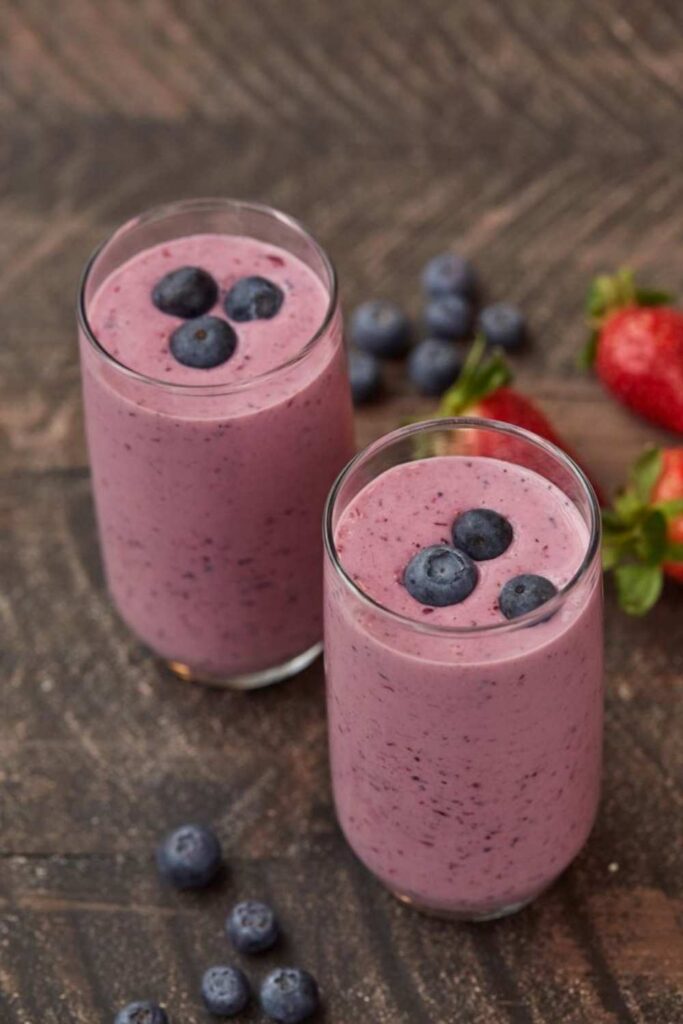
Blender breakfasts from cafés cost $7–12. The same smoothie made at home with frozen fruit, oat milk, and a handful of rolled oats costs about $0.90–$1.10 and tastes genuinely better because you control every ingredient.
The filling smoothie formula:
- 1 cup frozen mango or mixed berries ~$0.35
- 1 frozen banana ~$0.15
- ¼ cup rolled oats ~$0.08 adds thickness and fiber
- 1 cup oat milk or water ~$0.20
- 1 tbsp peanut butter ~$0.15 adds protein and fat
- Optional: 1 tsp honey, pinch of cinnamon
Blend until smooth. The oats thicken the smoothie naturally and add soluble fiber that genuinely extends satiety. This is the ingredient that separates a filling smoothie from a glorified fruit juice.
The frozen banana trick:
Peel ripe bananas before they go bad and freeze them in a zip-lock bag. They last 3 months in the freezer, cost almost nothing per unit, and make smoothies creamy without any dairy or ice cream. This is one of the most useful cheap food hacks in existence.
Avocado Toast With Egg Budget Version
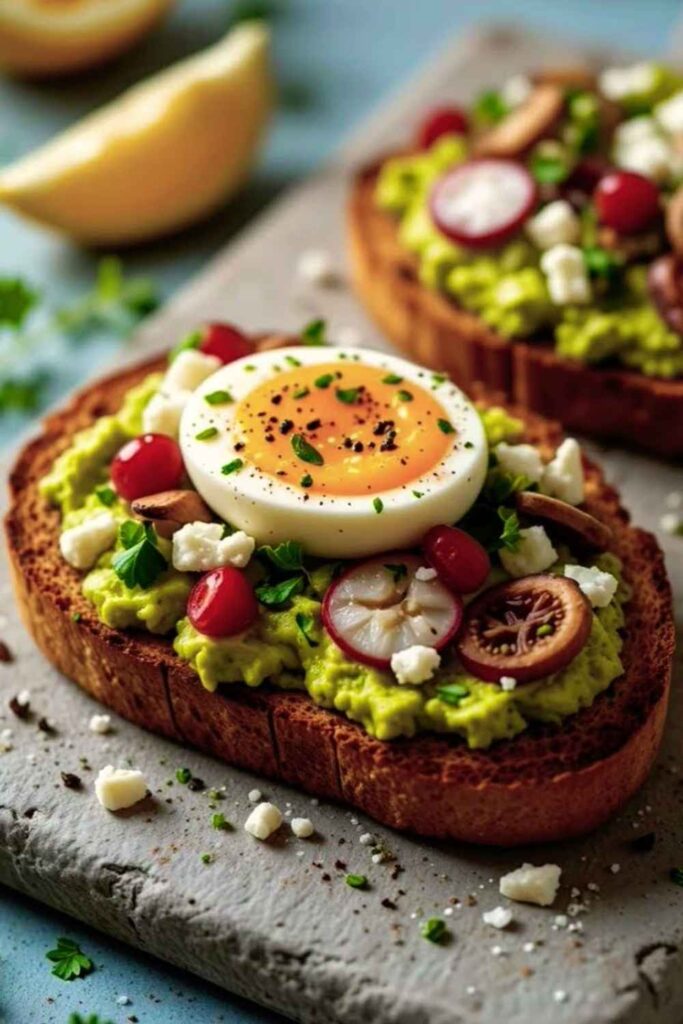
Avocado toast has a reputation as an expensive millennial cliché. When made at home, it costs about $1.20–$1.40 and delivers healthy fats, protein, and fiber in one meal.
One slice of whole wheat bread ~$0.10, half an avocado ~$0.50–$0.70 depending on season, one fried or poached egg ~$0.30, salt, pepper, red pepper flakes. That’s it.
The avocado buying strategy:
Buy avocados slightly underripe and let them ripen on your counter for 2–3 days. They’re almost always cheaper when firm, and you control the timing. Store a cut avocado with the pit in, covered tightly with plastic wrap pressed directly onto the flesh it stays green for 24 hours.
Mash the avocado with a fork, add a squeeze of lemon or lime juice, prevent browning and brightens flavor, and season generously. Top the toast, add the egg, and finish with red pepper flakes.
One egg adds ~6g of protein
to what would otherwise be a fat-and-carb breakfast. That single addition transforms the satiety profile of the entire meal.
Peanut Butter Banana Oat Smoothie
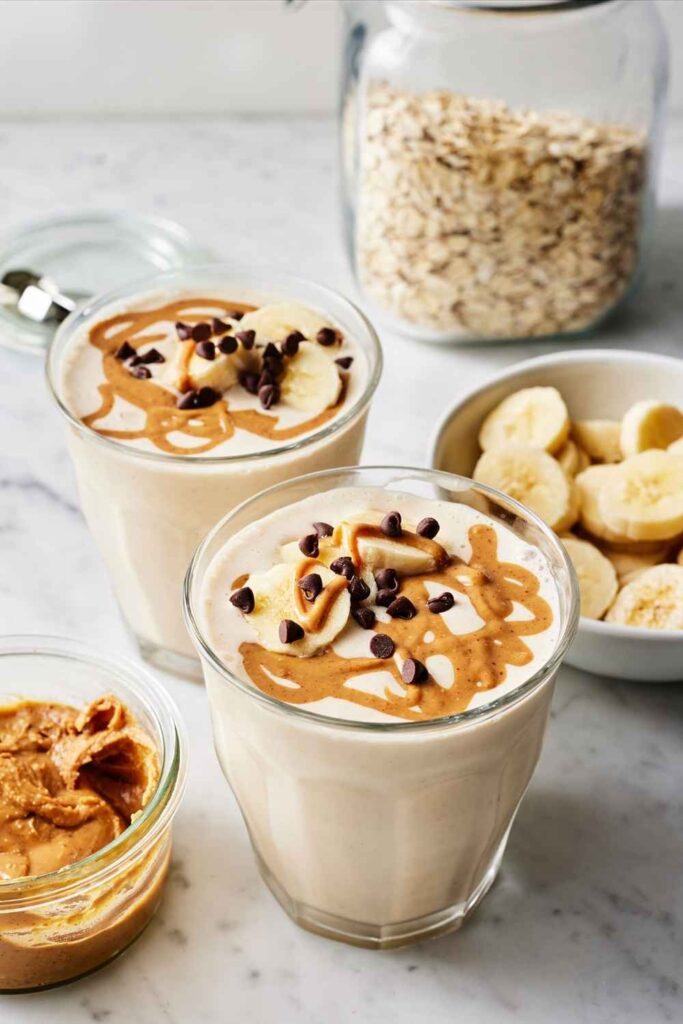
This is the three-ingredient emergency breakfast for mornings when the kitchen feels impossible. One banana, two tablespoons of peanut butter, one cup of oat milk, and a handful of ice. Blend. Done.
Cost: ~$0.55. Protein: ~10g. Fiber: ~4g. Time: 3 minutes.
The reason this works as a real breakfast rather than a snack is the combination of banana carbohydrates, peanut butter fat and protein, and oat milk’s beta-glucan fiber. Three different macronutrient sources hitting at the same time produces a much flatter blood sugar response than any of them alone.
Honestly, add rolled oats to this.
A quarter cup blended in adds 4g of fiber and costs $0.08. The texture gets slightly thicker and it keeps you full noticeably longer. Most smoothie recipes skip oats entirely, which is why most smoothies don’t actually work as breakfasts.
[Pin Headline: 3-ingredient breakfast smoothie for under 60 cents]
Whole Wheat Pancakes From Scratch
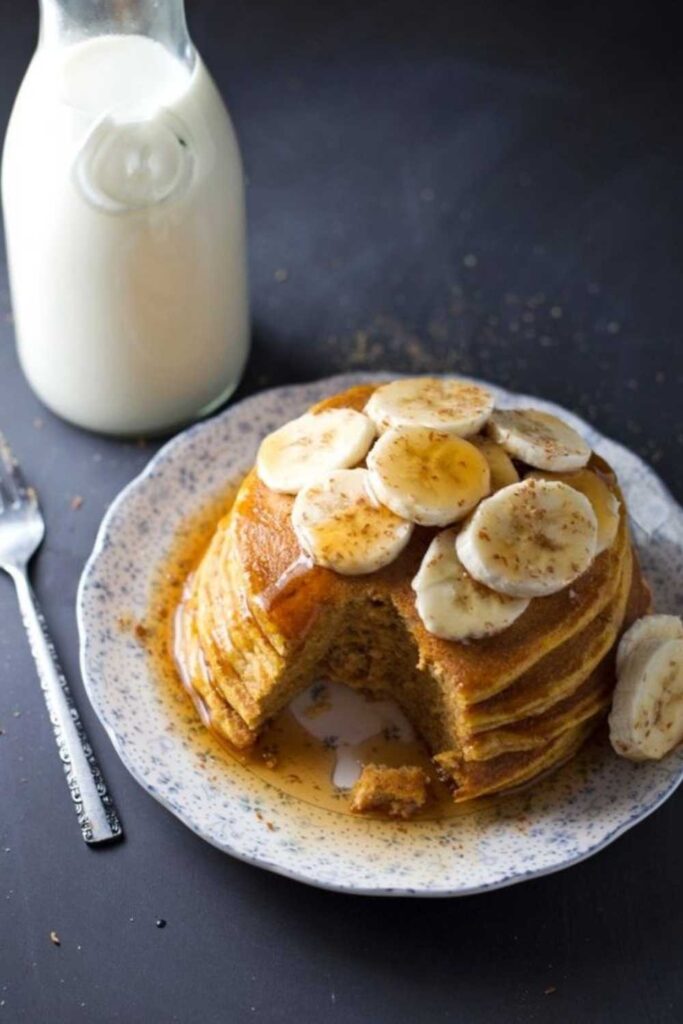
Box pancake mix costs $3–4 for a package that makes 8–10 servings. Whole wheat pancakes from scratch cost roughly the same per serving but use better ingredients, taste significantly better, and take maybe 3 extra minutes.
Basic recipe serves 2, ~$0.60 per serving:
- 1 cup whole wheat flour ~$0.20
- 1 tbsp sugar ~$0.02
- 1 tsp baking powder
- Pinch of salt
- 1 egg ~$0.30
- ¾ cup milk ~$0.15
- 1 tbsp oil ~$0.05
Whisk dry ingredients, whisk wet ingredients separately, combine until just mixed lumps are fine, overmixing makes tough pancakes. Cook on medium heat 2–3 minutes per side until bubbles form and edges look set.
The one technique that changes everything:
Let the batter rest 5 minutes before cooking. The flour hydrates fully, the baking powder activates, and the pancakes come out fluffier with less effort. Skip this and your pancakes will be flat and dense.
Top with a sliced banana and a drizzle of peanut butter instead of maple syrup cheaper, more protein, and tastes great.
Cottage Cheese With Fruit and Seeds
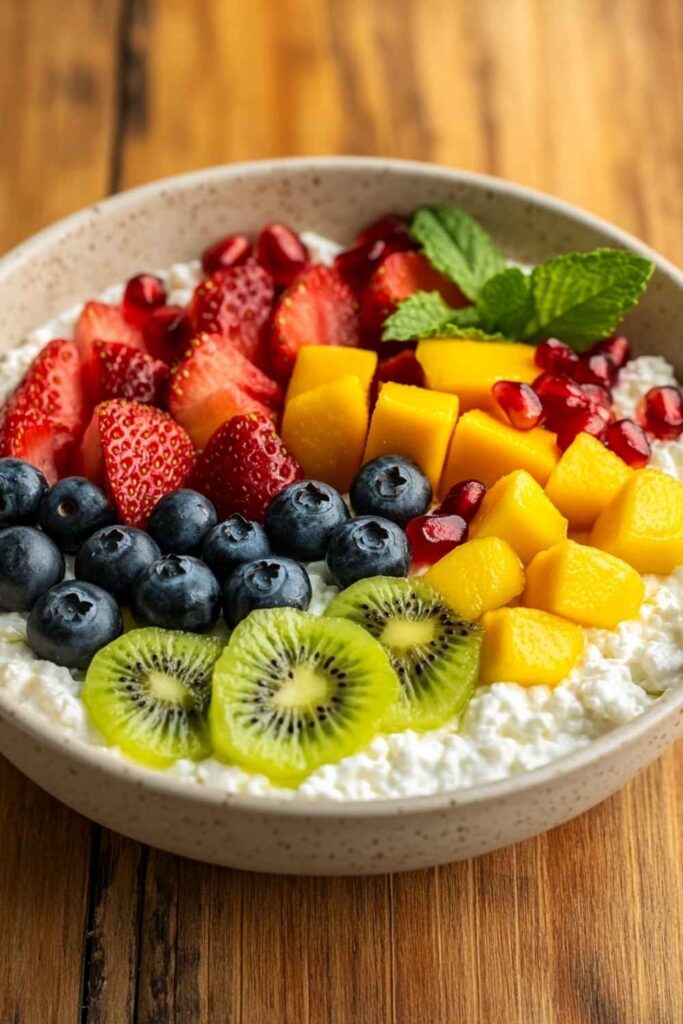
Cottage cheese is criminally underrated in the breakfast world; it has more protein per dollar than almost any other dairy product and tastes genuinely good with the right pairings.
A ½ cup of cottage cheese ~$0.50 with ¼ cup frozen berries thawed, ~$0.20 and a teaspoon of sunflower or pumpkin seeds ~$0.10 costs about $0.80 and delivers 14–16g of protein. That’s a legitimately high-protein breakfast for under a dollar.
The texture objection:
Some people avoid cottage cheese because of the lumpy texture. If that’s you, blend it for 30 seconds. It becomes completely smooth, creamy, and spreadable and works as a high-protein alternative to cream cheese on toast. The protein content doesn’t change; only the texture does.
Pair with half a sliced banana or a handful of frozen mango thawed overnight for a naturally sweet contrast. No added sugar needed.
Homemade Granola Bars Batch Recipe
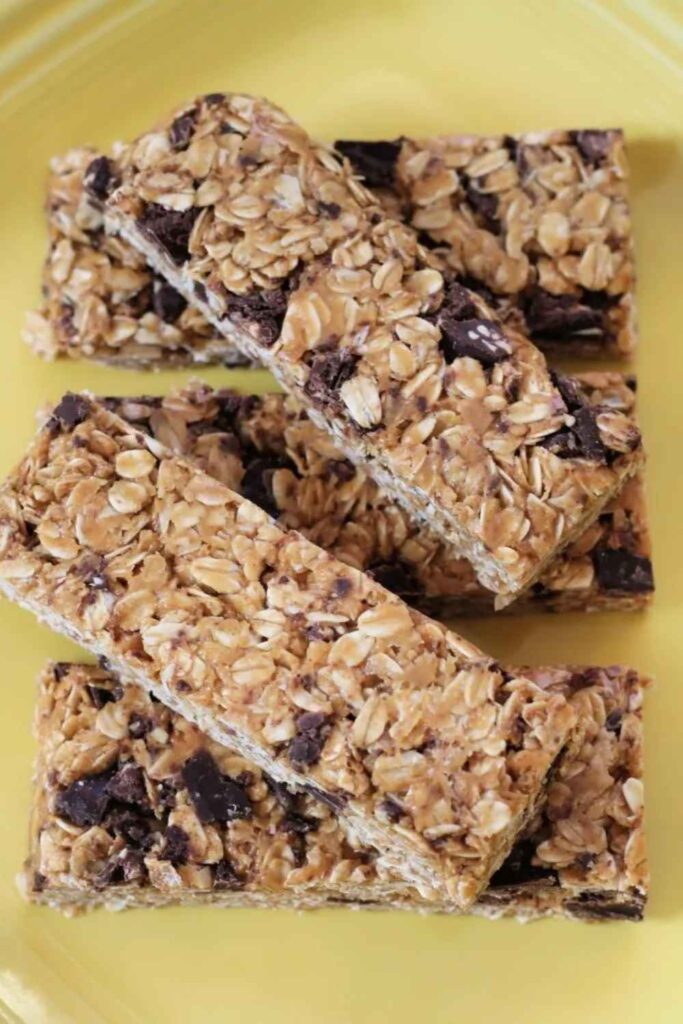
Store-bought granola bars are one of the worst value propositions in the breakfast aisle. $5–6 for 6 bars that are mostly sugar and cost $0.80–$1 each. Homemade bars made from oats, peanut butter, and honey cost about $0.25–$0.30 per bar and contain three times the nutrition.
Ingredients makes 12 bars:
- 2 cups rolled oats ~$0.40
- ½ cup peanut butter ~$0.60
- ⅓ cup honey ~$0.50
- ¼ cup mixed seeds or chopped nuts ~$0.40
- ½ tsp cinnamon, pinch of salt
Warm peanut butter and honey together until pourable, mix with oats, seeds, and cinnamon. Press firmly into a lined 8×8 pan. Refrigerate 2 hours until set. Cut into 12 bars. Store in the fridge for up to 2 weeks.
The pressing step is critical:
Under-pressed bars fall apart when you eat them. Use the bottom of a glass to really pack the mixture down into the pan. The bars should be noticeably dense before refrigerating.
These are not diet bars. Two of them with a piece of fruit is a complete breakfast for about $0.80.
Bean and Egg Breakfast Taco
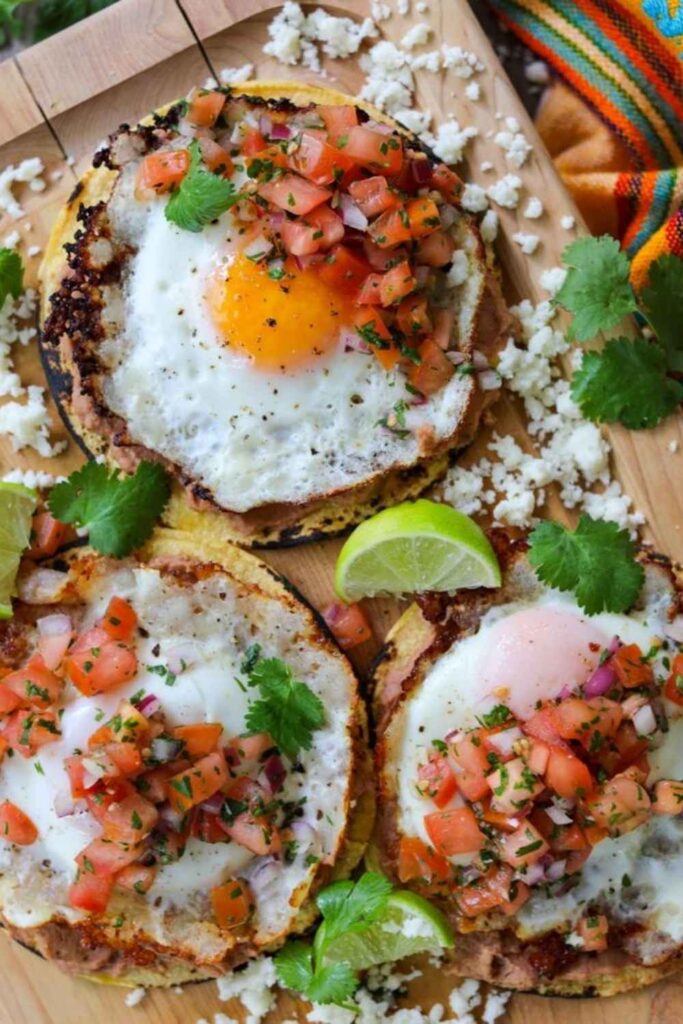
This is the cheap healthy breakfast that most budget food lists completely ignore, possibly because it requires 10 minutes of actual cooking, but the payoff is a genuinely filling, high-protein, high-fiber meal for about $1.10–$1.30.
Warm a small flour or corn tortilla ~$0.15 in a dry pan. Mash 3 tablespoons of canned black or pinto beans ~$0.20 with a fork, season with cumin and salt, spread on the warm tortilla. Scramble one egg ~$0.30 with a pinch of cumin, place on top. Add salsa ~$0.10, a few slices of avocado if you have it ~$0.35, and hot sauce.
The bean mash matters nutritionally:
Black beans add 4–5g of fiber and 4g of protein to a single taco. Combined with the egg, this breakfast delivers roughly 12–14g of protein and 6–7g of fiber, a combination that’s genuinely rare at this price point.
The cumin in both the beans and the egg ties the whole taco together
flavor-wise. It’s a small detail, but it’s what makes this taste like intentional cooking rather than assembled ingredients.
Cheap Healthy Breakfast Cost and Nutrition Comparison Table
| Recipe | Est. Cost/Serving | Protein | Fiber | Prep Time | Make Ahead? |
| Oatmeal + PB + Banana | ~$0.40 | 10–12g | 5g | 5 min | No |
| Scrambled Eggs + Toast | ~$0.85 | 14g | 3g | 8 min | No |
| Overnight Oats | ~$0.77 | 8–10g | 7g | 5 min night before | Yes 4–5 days |
| Banana PB Toast | ~$0.45 | 7g | 3g | 3 min | No |
| Greek Yogurt + Granola | ~$0.47 | 15–17g | 2g | 2 min | No |
| Veggie Egg Muffins | ~$0.30 | 6g per muffin | 1g | 25 min batch | Yes 1 week |
| Chia Pudding | ~$0.65 | 5g | 10g | 5 min night before | Yes 5 days |
| Homemade Smoothie | ~$0.95 | 10g | 5g | 4 min | No |
| Avocado Toast + Egg | ~$1.30 | 10g | 5g | 8 min | No |
| Cottage Cheese + Fruit | ~$0.80 | 14–16g | 2g | 2 min | No |
| Homemade Granola Bars | ~$0.28 | 5g | 3g | 15 min batch | Yes 2 weeks |
| Bean + Egg Taco | ~$1.20 | 12–14g | 6–7g | 10 min | No |
Key Takeaways
Best under $0.50:
Banana peanut butter toast and oatmeal with peanut butter both genuinely filling and nutritionally solid.
Best high-protein for the price:
Greek yogurt large container, plain and cottage cheese 15g+ protein for under a dollar.
Best meal prep option:
Veggie egg muffins at $0.30 each make 12 on Sunday, done for the week.
Best fiber breakfast:
Chia pudding 10g fiber per serving, costs $0.65, requires zero morning effort.
Skip expensive smoothie bars entirely; the
homemade version with frozen fruit, oats, and peanut butter costs $0.90 and is nutritionally superior.
Best for zero morning time:
Overnight oats or chia pudding both made the night before, zero decisions in the morning.
FAQ’s
What is the cheapest healthy breakfast you can make?
Oatmeal with peanut butter and half a banana costs around $0.40 per serving and delivers 10–12g of protein and 5g of fiber. Rolled oats bought in bulk are consistently the best nutrition-per-dollar food in any grocery store. This single breakfast, made consistently, outperforms most expensive alternatives on every relevant nutritional metric.
Are eggs or oats better for a cheap healthy breakfast?
Both are excellent and they solve different problems. Eggs are higher in protein 6g per egg and more satiating per calorie, but oats are higher in fiber and significantly cheaper per serving. The most effective cheap breakfast combines both, or rotates between them throughout the week. Eggs on weekdays when you have 8 minutes; overnight oats on the nights you prep ahead.
How do I make cheap breakfasts more filling without spending more?
Add fat and fiber to whatever you’re already eating. A tablespoon of peanut butter in oatmeal, a handful of frozen spinach in scrambled eggs, or a tablespoon of chia seeds in any smoothie costs pennies and dramatically extends how long you stay full. The hunger-by-10-a.m. problem is almost always a fat or fiber gap not a calorie gap.