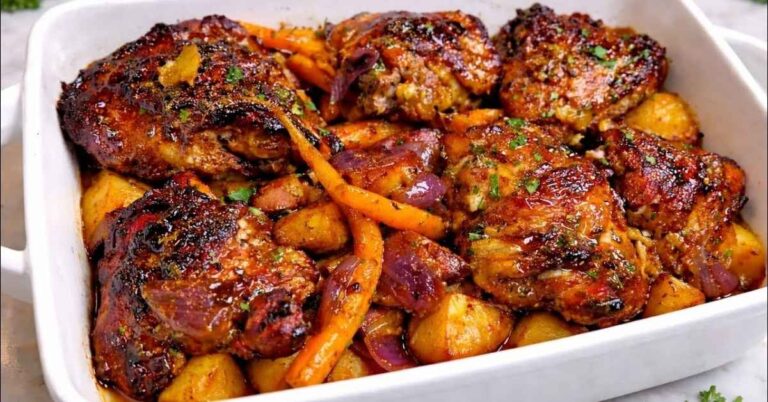
Best Cookie Recipes: 25 Easy Cookies You’ll Bake Again and Again
There’s something almost magical about a warm cookie fresh from the oven. The smell alone pulls people into the kitchen. Whether you’re craving something chocolatey, nutty, fruity, or spiced, cookie recipes cover every mood, every occasion, and every skill level. This guide brings you 25 easy cookie recipes that genuinely work tested, trusted, and totally delicious. From quick cookie recipes you can pull off in 15 minutes to festive Christmas cookie recipes that’ll impress everyone at the holiday table, you’ll find everything you need right here. These are the best cookie recipes you’ll reach for again and again, all season long.
You don’t need a culinary degree to bake great cookies. You need butter, sugar, a good recipe, and a little patience. Whether you’re a first-time baker or someone who’s been baking cookies since childhood, this article has something for you. By the end, you’ll understand exactly what makes cookies soft, chewy, crispy, or fudgy and how to make them exactly the way you like.
Best Chocolate Chip Cookie Recipe
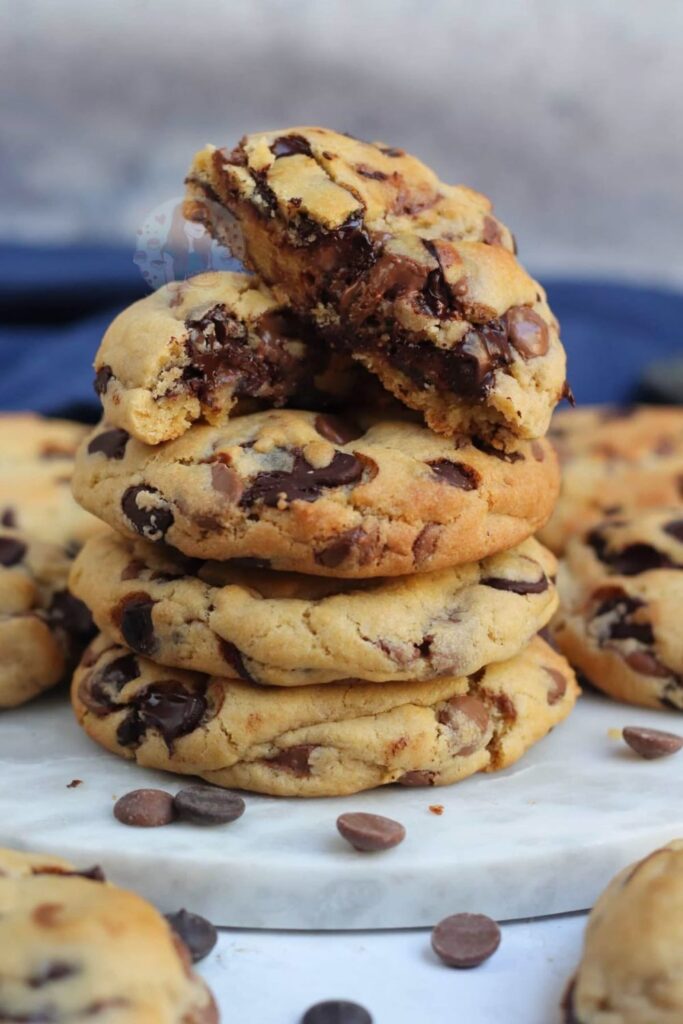
Ask any American what their favorite homemade cookie recipe is, and nine times out of ten, chocolate chip comes first. It’s the undisputed king of the cookie world golden brown on the outside, gooey in the center, and packed with melted chocolate in every single bite.
A great chocolate chip cookie recipe isn’t complicated, but it does reward attention to detail. Small choices like the type of butter you use, how long you chill the dough, and when you pull the tray from the oven make the difference between a good cookie and one people beg you to make every week.
What sets this recipe apart from the dozens you’ve seen online is simple: it prioritizes cookie texture above everything else. Most recipes produce flat, spread-out cookies that taste fine but feel forgettable. This one gives you thick, bakery-style cookies with crispy edges and a soft center.
The secret is a combination of bread flour, extra brown sugar, a full egg plus one yolk, and at least one hour of dough chilling. These aren’t fancy tricks. They’re just small, deliberate choices that add up to something special.
Why This Is the Best Chocolate Chip Cookie Recipe
Most chocolate chip cookie recipes follow the same basic formula. Butter, sugar, eggs, flour, vanilla, chocolate chips done. But “done” doesn’t always mean “delicious.” The difference between an average cookie and the best one you’ve ever had comes down to a few key decisions that most recipes don’t bother explaining. First, use brown sugar in a higher ratio than white sugar.
Brown sugar contains molasses, which adds both moisture and a deep, caramel-like flavor that white sugar simply can’t replicate. Second, add one extra egg yolk. The yolk adds richness and fat without making the dough too wet. Third, chill the dough. A cold dough spreads less in the oven, meaning you get a thicker, chewier cookie with crispy edges and a gooey middle.
There’s another step that separates the good from the truly great: browning the butter. Instead of just softening it, you melt the butter in a saucepan over medium heat until it turns golden and smells nutty.
This process called the Maillard reaction adds a layer of toffee-like depth to your cookies that regular melted butter just can’t deliver. It takes five extra minutes. It’s worth every second. Pair that with high-quality chocolate chunks instead of standard chips, and you’ve got a cookie that tastes like it came from a serious bakery not your Tuesday afternoon kitchen.
Key Ingredients for Perfect Chocolate Chip Cookies
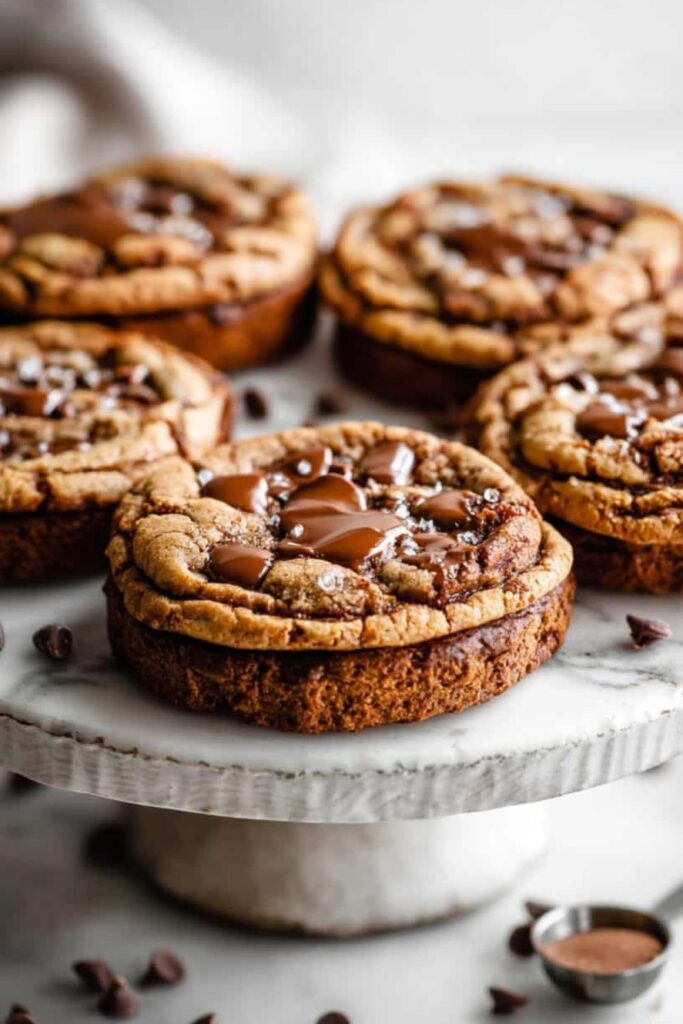
Every great cookie starts with great cookie ingredients. Understanding what each ingredient actually does is the fastest way to become a better baker. It’s not about memorizing recipes, it’s about understanding the why behind every measurement. When you know that baking soda makes cookies spread and rise, or that bread flour creates a chewier bite than all-purpose, you can troubleshoot any recipe and even start customizing it confidently.
Here’s a breakdown of the most important ingredients in chocolate chip cookie recipes and exactly what role each one plays in the final result.
Read More About:Pork Chop Recipes: 25 Easy, Juicy & Flavorful Dinner Ideas
| Ingredient | What It Does |
| All-purpose flour | Creates structure; keeps cookies from collapsing |
| Bread flour | Higher protein content creates chewier, thicker cookies |
| Brown sugar | Adds moisture, depth, and soft texture |
| White sugar | Promotes spread and crispy edges |
| Unsalted butter | Provides flavor and richness; controls salt level |
| Eggs | Bind ingredients and add structure |
| Extra egg yolk | Adds fat and richness without extra moisture |
| Baking soda | Creates lift and browning |
| Vanilla extract | The flavor backbone of almost every cookie |
| Chocolate chips or chunks | The star of the show use quality chocolate |
| Salt | Balances sweetness and enhances every other flavor |
One thing experienced bakers know: the quality of your chocolate chunks matters enormously. Standard supermarket chips are designed to hold their shape in the oven, which means they don’t melt as beautifully as chopped chocolate bars. Brands like Ghirardelli, Guittard, or Valrhona melt into glossy, gooey puddles of chocolate that make every bite memorable. It’s a small upgrade that pays off in a big way.
Secrets to Soft and Chewy Chocolate Chip Cookies
Soft cookie recipes are among the most searched things on the internet and for good reason. Nobody wants a dry, crumbly cookie. The ideal chocolate chip cookie should have chewy center cookies with just the right amount of resistance when you bite in. Achieving that texture consistently isn’t about luck. It’s about understanding the science of moisture and heat.
The single most important tip is this: pull your cookies from the oven two minutes before you think they’re done. They’ll look underdone slightly shiny in the middle, barely golden at the edges.
That’s exactly right. Cookies continue to cook on the hot baking sheet even after you pull them from the oven. By the time they cool, that slightly underdone center will set into the chewy, soft perfection you’re going for. Overbaking is the number one mistake home bakers make, and it ruins more batches than any other error.
Beyond timing, here are the most reliable baking tips for achieving consistently soft and chewy cookie recipes every time:
Chill your dough for at least 30 minutes, but overnight is even better. Cold dough spreads slowly in the oven, which means your cookies stay thick and chewy instead of spreading into thin, crispy discs.
Use more brown sugar than white as mentioned above, the molasses in brown sugar is a direct source of moisture. More brown sugar means a moister, chewier cookie.
Add a teaspoon of cornstarch. This simple trick keeps cookies soft for days longer than normal. Cornstarch interferes with gluten formation just enough to keep the texture tender.
Bang the pan on the counter right after you pull it from the oven, lift the baking sheet and drop it firmly on the counter two or three times. This deflates any puffy centers and gives you that beautiful wrinkled, crinkled top that bakery cookies are famous for.
Easy Cookie Recipes for Beginners

Not every great cookie requires a stand mixer, seven different flours, and a culinary school education. Some of the most beloved simple cookie recipes for beginners use five ingredients or fewer and come together in one bowl in under 30 minutes.
If you’re just getting started with baking cookies, these three recipes will build your confidence fast and give you something genuinely impressive to share.
The most important thing for beginner bakers is to start with easy cookie recipes that don’t demand precision at every step. These recipes are forgiving.
You can eyeball the vanilla. You can swap mix-ins. You can bake them a little longer for a crispier result or pull them early for a softer bite. They’re flexible, which means you’ll succeed on your very first try.
Easy One-Bowl Oatmeal Cookies
One-bowl oatmeal cookie recipes are a blessing for anyone who hates doing dishes. Everything goes into a single bowl, the dough comes together in minutes, and the result is a hearty, homey cookie with a slightly nutty flavor and a wonderfully chewy texture. Rolled oats are the star here; they give the cookie substance and a satisfying bite that thin, crispy cookies just can’t match.
The basic recipe uses rolled oats, softened butter, brown sugar, one egg, a splash of vanilla, flour, baking soda, cinnamon, and a pinch of salt.
Cream the butter and sugar together, add the egg and vanilla, then stir in the dry ingredients. The dough will be thick and a little sticky, that’s normal. Scoop it onto a parchment paper-lined baking sheet and bake at 350°F for 10 to 12 minutes.
The beauty of this recipe is how easy it is to customize. Add chocolate chips for a twist on classic, or throw in dried cranberries and white chocolate chunks for something a little more festive. Walnuts, pecans, and shredded coconut all work beautifully too.
Lemon Sugar Cookies
Bright, zesty, and deceptively impressive, lemon sugar cookies are one of those easy cookie recipes that look like you put in a lot more effort than you actually did.
The base is a simple vanilla cookie dough with one key addition: fresh lemon zest. That zest is what makes all the difference. It adds a vivid, citrusy punch that transforms a plain sugar cookie into something people can’t stop eating.
The recipe is simple: cream softened butter with sugar until light and fluffy. Add one egg, lemon zest from two lemons, a teaspoon of vanilla, and a squeeze of fresh lemon juice.
Mix in flour, baking powder, and a pinch of salt. Roll the dough into balls, coat them generously in granulated sugar, and press them slightly flat on your baking sheet. Bake at 375°F for 9 to 11 minutes, until the edges are just barely golden. The centers will look soft and that’s the goal.
As they cool, that soft center sets into a pillowy, slightly chewy cookie with crispy edges and a sparkly sugar crust. These are perfect for spring gatherings, Easter celebrations, or any time you want something bright and cheerful on the table.
Vanilla Sprinkle Cookies
Vanilla sprinkle cookies are pure joy in edible form. They’re colorful, fun to make, kid-friendly, and built on one of the most reliable vanilla cookie bases in baking. If you’ve ever made a basic sugar cookie recipe, you can just roll the dough balls in rainbow sprinkles before baking. The sprinkles toast slightly in the oven, adding a very faint crunch to the outside of an otherwise soft, chewy cookie.
One important tip: use rainbow jimmies (the long, rod-shaped sprinkles) instead of nonpareils (the tiny round balls). Nonpareils tend to bleed their color into the dough as it bakes, turning your bright, cheerful cookies into something that looks a little muddy. Jimmies hold their color beautifully. These cookies are fantastic for birthday parties, bake sales, and school events and they freeze incredibly well. Make a double batch, freeze half the dough balls, and you’ll always have sprinkle cookies ready to go in under 15 minutes.
Quick and Easy Cookie Recipes
Sometimes life doesn’t allow for overnight dough chilling and elaborate preparation. Sometimes you need quick 30 minute cookie recipes and you need them now. These three recipes deliver big flavor with minimal time investment, no chilling, no fancy equipment, and no stress. They’re the easy dessert cookie recipes you’ll bookmark for Tuesday nights, last-minute school parties, and those moments when you just need something sweet.
What makes a quick cookie recipe actually work is understanding the shortcuts that don’t sacrifice quality. Melted butter instead of softened speeds up prep. Mini chocolate chips bake faster and distribute more evenly. Room temperature eggs incorporate more easily. These small adjustments shave minutes off your process without changing the final cookie one bit.
15-Minute Chocolate Chip Cookies
Yes, you can make a genuinely great chocolate chip cookie recipe in 15 minutes. No chilling required. The key is using melted (not browned) butter and room temperature eggs, which lets everything mix together quickly and bake immediately without the dough needing to rest. The cookies won’t be quite as thick as the chilled version but they’ll still be delicious, and they’ll be on a plate in under 20 minutes.
Melt your butter and let it cool for five minutes. Whisk in both sugars until smooth. Add your egg, egg yolk, and vanilla. Stir in flour, baking soda, and salt. Fold in chocolate chips. Scoop onto a parchment paper-lined tray and bake at 375°F for 9 to 11 minutes. Pull them when the centers still look slightly underdone. Let them cool on the baking sheet for five minutes before moving them. That’s it. Quick, easy, and genuinely satisfying.
3-Ingredient Peanut Butter Cookies
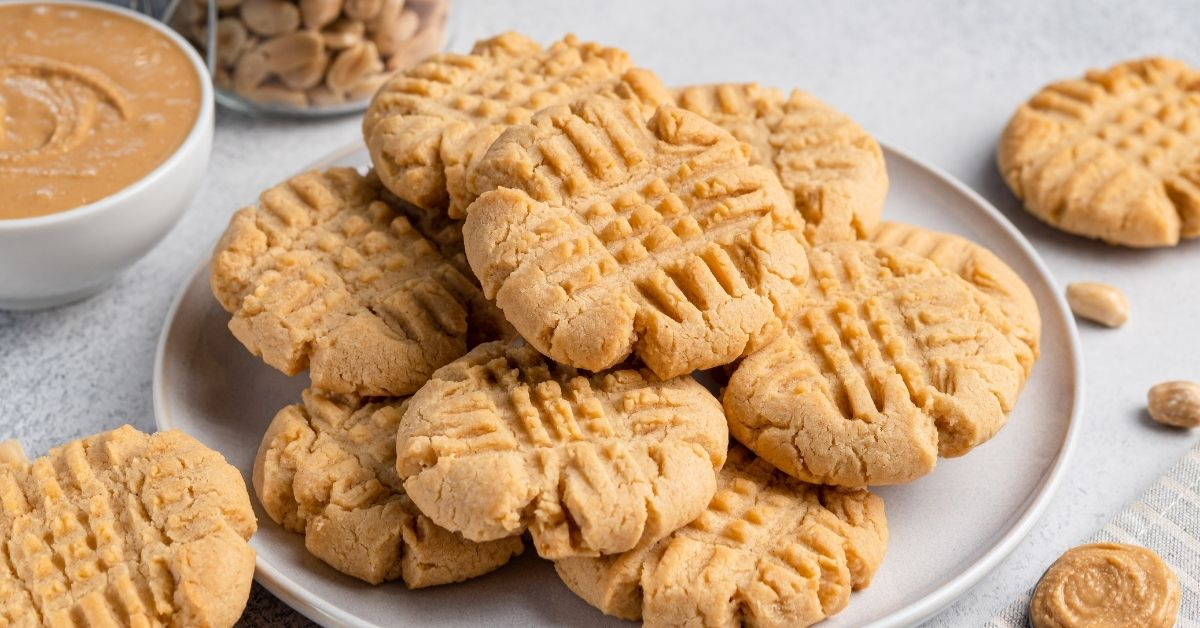
This is the recipe that surprises everyone the first time they hear it. Just three ingredients: one cup of peanut butter, one cup of sugar, and one egg. Mix. Scoop. Bake. That’s literally the entire process. And somehow, against all culinary logic, these cookies are absolutely delicious. They’re dense, rich, and deeply nutty, with a texture somewhere between a traditional peanut butter cookie recipe and a soft brownie.
Because there’s no flour, these cookies are naturally gluten free cookie recipes, one of the simplest ones you’ll ever find. They work just as well with almond butter or sunflower butter for anyone with peanut allergies. Press the classic crosshatch pattern on top with a fork before baking, and bake at 350°F for 10 to 12 minutes. They’ll look underdone when you pull them, let them cool completely on the pan before moving them, or they’ll fall apart. Once cooled, they’re firm, fudgy, and completely irresistible.
No-Bake Chocolate Peanut Butter Cookies
No bake cookie recipes are a revelation for anyone who doesn’t want to turn on the oven or for summer baking when a hot kitchen is the last thing you need. These no-bake chocolate peanut butter cookies come together on the stovetop in about 10 minutes, then set on the counter in under half an hour. The result is a fudgy, chewy, almost truffle-like cookie that tastes like it took serious effort.
The recipe starts with butter, sugar, cocoa powder, and milk simmered in a saucepan for exactly 60 seconds after reaching a full boil. Timing is crucial here, as too long makes them dry and crumbly. Remove from heat and immediately stir in peanut butter, vanilla, and rolled oats. Drop spoonfuls onto parchment paper and let them set at room temperature for 30 minutes. They’ll firm up as they cool. These are also a fantastic recipe to make with kids; there’s no hot oven involved, and the process is simple enough for little helpers to manage most of it themselves.
Soft and Chewy Cookie Recipes
Chewy cookie recipes have a devoted following in America, and it’s not hard to understand why. There’s something deeply satisfying about a cookie that offers just the right amount of resistance soft enough to sink your teeth into easily, but chewy enough to make you slow down and enjoy each bite. These three recipes are the gold standard for soft cookie recipes, and each one delivers that perfect texture through a slightly different approach.
The key to soft, chewy center cookies is almost always the same: more brown sugar, less overbaking, and either extra fat (from egg yolk or yogurt) or a starch (from cornstarch or oats) to keep moisture locked in. Keep these principles in mind and you’ll nail soft cookie recipes every single time.
Chewy Brown Sugar Cookies
Brown sugar cookies are essentially the concentrated essence of everything you love about baked goods: deep caramel flavor, a slightly crinkled top, a soft, dense center, and edges that are just barely crispy. They use almost exclusively brown sugar (with just a couple tablespoons of white sugar for structure), which gives them an almost toffee-like depth of flavor that’s genuinely addictive.
Mixing butter and sugar is the most important step here. Cream the butter and brown sugar together until the mixture is light and airy, about three to four minutes in a stand mixer or five minutes by hand. This step incorporates air into the dough, which gives the cookies their characteristic puffed shape before they settle into that beautiful, crinkled surface. Bake at 350°F for 11 to 13 minutes, pulling them when the edges are set but the centers still look soft. These pair magnificently with a cold glass of milk or a strong cup of coffee.
Soft Yogurt Cookies
Yogurt in cookies sounds unusual. It tastes extraordinary. Greek yogurt adds moisture, a subtle tang, and a cake-like softness that you simply can’t achieve with butter and eggs alone. The result is a pillowy, melt-in-your-mouth cookie that stays soft for days far longer than most traditional recipes. If cookie storage tips matter to you (and they should), yogurt cookies are the ones that stay bakery-fresh the longest.
The recipe builds on a straightforward base: butter, sugar, egg, vanilla, Greek yogurt, flour, baking powder, and salt. The yogurt replaces some of the fat you’d normally get from extra butter or egg yolks. Scoop the dough onto your baking sheet and bake at 350°F for 10 minutes. They’ll look almost too soft when they come out but trust the process. Once cooled, they have a wonderfully delicate texture that works beautifully with a simple glaze or a dusting of powdered sugar. Add lemon zest to the dough for a citrusy version, or a teaspoon of almond extract for something more fragrant and complex.
Oatmeal Raisin Cookies
Oatmeal raisin cookies deserve far more respect than they typically get. They’re hearty, warmly spiced, and when done right, just as satisfying as any chocolate chip cookie recipe out there. The key distinction between a great oatmeal raisin cookie and a mediocre one is the raisins themselves. Most people just toss them in dry and dry raisins are chewy in the wrong way, almost leathery. The fix is simple: soak your raisins in warm water for 10 minutes before adding them to the dough. They plump up, soften, and become wonderfully juicy little flavor bombs in every bite.
The spice profile is what really makes this recipe sing: cinnamon is the backbone, nutmeg adds warmth, and a small pinch of cloves gives it a complexity that makes people wonder what that mystery flavor is. Use old-fashioned rolled oats (not quick oats) for the best texture. They give the cookies substance and chew without making them too dense. Bake at 350°F for 12 to 14 minutes, pulling them when the edges are golden but the centers are still slightly underdone. These oatmeal cookie recipes are the ones that grandmothers are famous for and now you can be too.
Read More About:66 Easy Freezer Crockpot Meals That Actually Taste Good No Sad Soggy Dinners
Best Holiday Cookie Recipes
Holiday baking is a tradition that runs deep in American homes. From Thanksgiving through New Year’s, cookies are everywhere on dessert tables, in decorative tins, wrapped up as gifts, and stacked on every kitchen counter from coast to coast. The best holiday cookie recipes aren’t necessarily the most complicated. They’re the ones that taste like memories: warm spices, buttery richness, and a festive appearance that makes even adults feel like kids on Christmas morning.
These three Christmas cookie recipes cover the classics, and each one has been streamlined to make holiday baking as enjoyable as the eating.
Gingerbread Cookies
Gingerbread cookies are the MVPs of Christmas baking. They smell incredible, they look festive cut into any shape imaginable, and they last for weeks in an airtight tin making them perfect for gifting and shipping. The spice blend is non-negotiable: ground ginger, cinnamon, cloves, and molasses create that signature deep, warm, slightly spicy flavor that’s immediately recognizable as the holidays.
The most important baking tip for gingerbread is chilling the dough at least two hours, ideally overnight. Cold dough rolls out smoothly without sticking and holds its shape perfectly when cut, giving you clean, sharp edges on every star, snowflake, and gingerbread person. Bake at 350°F for 8 to 10 minutes. Don’t overbake, they’ll firm up as they cool, and overbaked gingerbread goes from pleasantly crisp to rock-hard very quickly. Decorate with royal icing and colored sprinkles for the full holiday effect.
Danish Butter Cookies
If you’ve ever received one of those iconic blue tins around the holidays and eaten the entire thing before the day was over, no judgment. Danish butter cookies are simply one of the most perfect butter cookies ever created. Light, delicate, melt-in-your-mouth, and richly buttery, they’re the kind of cookie that seems effortless but actually showcases excellent ingredients.
The secret to truly great Danish butter cookies is European-style butter, which has a higher fat content than standard American butter. That extra fat is what creates the melt-in-your-mouth texture that makes these cookies so distinctive. Use a piping bag fitted with a star tip to create the traditional rosette and pretzel shapes. It’s easier than it looks and creates a beautifully professional result. Bake at 375°F for 10 to 12 minutes until just barely golden at the edges. These butter cookies ship and store beautifully, making them the perfect homemade desserts to give as gifts.
Spritz Christmas Cookies
Spritz cookies require one specialized tool: a cookie press. But if you’ve ever seen those perfectly shaped, buttery little Christmas tree and wreath cookies at a holiday party, you know the investment is worth it. The dough itself is simple butter, sugar, egg, vanilla, and flour but what comes out of that press is something genuinely magical. The oven temperature here matters: 375°F gives you crispy edges with a tender interior.
One crucial tip that most recipes overlook: your dough must be at room temperature to press properly through the cookie press. Cold dough is too stiff and won’t extrude cleanly. Room temperature dough flows through the press like a dream. Press the cookies directly onto an ungreased baking sheet if the sheet is greased or lined with parchment paper, the cookies won’t stick properly and will slide off the press instead of releasing cleanly onto the surface. Top with colored sugar crystals or mini sprinkles before baking for maximum festive impact.
Popular Chocolate Cookie Recipes

For the serious chocolate lovers, chocolate chip cookie recipes are just the beginning. The world of chocolate cookies goes much deeper and much darker. These three recipes are for the people who think a double chocolate cookie sounds like a perfectly reasonable Tuesday afternoon snack. Each one uses chocolate in a different way, creating completely different flavor profiles and textures despite sharing the same essential ingredient.
Baking cookies with chocolate requires a few important rules. Always use quality chocolate. Understand the difference between cocoa powder varieties. And never, ever overbake chocolate cookies can go from perfect to dry in under two minutes.
Double Chocolate Cookies
Double chocolate cookies earn their name honestly. There’s cocoa powder in the dough and chocolate chips (or chunks) folded in. The result is a deeply chocolatey, fudgy cookie that lands somewhere between a brownie and a traditional drop cookie. It’s one of the best easy dessert cookie recipes for anyone who takes their chocolate seriously.
Use Dutch-process cocoa powder for the deepest, richest color and flavor. Natural cocoa powder is more acidic and produces a lighter, slightly fruity chocolate flavor. Both are good, but Dutch-process is the right choice when you want that dark, intense chocolate experience. Bake at 350°F for 10 to 11 minutes, pulling them when the edges are set but the centers look underdone. Once they cool, those centers will set into fudgy, brownie-like perfection. A sprinkle of flaky sea salt on top right before baking elevates these from great to genuinely extraordinary.
Red Velvet Cookies
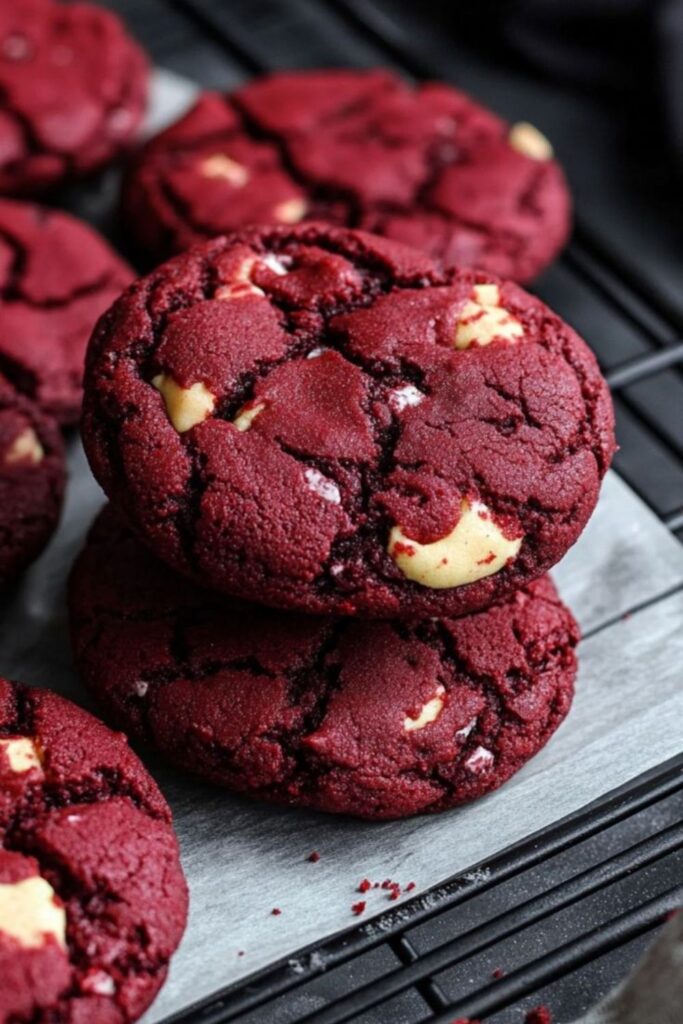
Red velvet cookies bring drama and elegance to the dessert recipes table. They’re a deep, vivid crimson, with a subtle cocoa flavor and a texture that’s soft and slightly cakey very different from a traditional drop cookie. They’re perfect for Valentine’s Day, Christmas, or honestly any occasion when you want to make an impression.
The most important thing to get right with red velvet cookies is the coloring. Use gel food coloring, not liquid. Liquid red food coloring in the quantities needed to achieve a vivid red will make your dough too wet and will produce a brick-red color at best. Gel coloring is more concentrated, more vibrant, and doesn’t affect the dough’s consistency. Finish with a simple cream cheese drizzle just cream cheese, powdered sugar, and a splash of milk whisked together and these cookies become genuinely show-stopping.
Chocolate Peanut Butter Cookies
Chocolate and peanut butter is one of the great flavor pairings in American dessert recipes and these cookies put both front and center. There are a few ways to approach this combination. You can swirl peanut butter into chocolate dough, top chocolate cookies with a peanut butter kiss, or the most spectacular approach stuff a frozen peanut butter center inside the chocolate dough before baking.
The stuffed approach is simpler than it sounds: freeze tablespoon-sized balls of peanut butter on a parchment paper-lined tray until solid (about one hour). Flatten a ball of chocolate cookie dough, place a frozen peanut butter ball in the center, and wrap the dough around it, sealing it completely. Bake at 350°F for 12 minutes. The result is a warm, deeply chocolatey cookie with a gooey, molten peanut butter center in every single bite. It’s over-the-top in the very best way.
Peanut Butter Cookie Recipes
Peanut butter cookie recipes have a devoted fanbase that rivals chocolate chip loyalists in passion and number. There’s something irresistible about that combination of sweet and salty, that distinctive nutty flavor, and that tender, slightly crumbly texture that only peanut butter can create. These two recipes represent the range of what a peanut butter cookie recipe can be from the comforting classic to an adventurous modern twist.
Whether you’re making them for a school bake sale or experimenting with cookie baking ideas at home on a weekend afternoon, peanut butter cookie recipes are among the most reliable and crowd-pleasing options in any baker’s toolkit.
Soft Peanut Butter Cookies
A perfect soft peanut butter cookie recipe is one of life’s simple pleasures. These cookies should be pillowy and slightly thick, with that unmistakable rich, nutty flavor and just enough sweetness to balance the salt. The single most important rule: don’t overbake them. Peanut butter cookies firm up significantly as they cool. If they look done in the oven, they’re already overbaked. Pull them when the edges are set and the centers still look soft, almost raw. Ten minutes on the cooling rack will transform them into perfect, soft peanut butter cookies.
Use creamy peanut butter rather than chunky for the smoothest texture, and use a standard commercial brand like Jif or Skippy rather than natural peanut butter. Natural peanut butter separates and has an inconsistent oil content that can make cookies greasy and cause them to spread unpredictably. Press the classic crosshatch pattern with a fork before baking. This isn’t just decorative, it also flattens the dough slightly for more even baking. For a crowd-pleasing variation, press a Hershey’s Kiss into the center of each warm cookie right after it comes out of the oven. The result is a peanut butter blossom, one of the most beloved holiday baking classics in America.
Miso Peanut Butter Cookies
Miso peanut butter cookies sound experimental. They taste like a revelation. White miso paste adds a subtle umami depth to the cookie dough that’s almost impossible to describe salty, slightly funky, deeply savory in a way that makes the sweetness pop even more. These are one of those cookie baking ideas that started going viral online for good reason. Once you try them, you’ll make them on repeat.
The recipe is essentially a classic soft peanut butter cookie with one or two tablespoons of white miso whisked in with the butter and peanut butter. The miso adds complexity without being identifiable as miso. Most people will just know the cookies taste especially good without being able to pinpoint why. These are perfect for the baker who loves classic peanut butter cookie recipes but wants to push them somewhere more interesting and nuanced. Serve them at a dinner party and watch them disappear before you’ve had a chance to explain the secret ingredient.
Cookie Baking Tips for Perfect Results Every Time
Even the best cookie recipes can go wrong without the right technique. Baking tips aren’t about making baking harder, they’re about making it more reliable. Once you understand why things go wrong, you can prevent problems before they happen and troubleshoot confidently when they do. The tips in this section apply to nearly every easy cookie recipe you’ll ever make.
Great bakery style cookies at home come from understanding the fundamentals: proper measuring, correct oven temperature, the right tools, and patience. None of it is complicated. All of it makes a real difference.
Common Cookie Mistakes to Avoid
Using melted butter when the recipe calls for softened is one of the most common errors in home baking. Melted butter makes cookies spread too thin and come out greasy and flat. Softened butter (at room temperature, not melted) traps air when creamed with sugar, which gives cookies structure and lift. If you forgot to leave your butter out, cut it into cubes and microwave in five-second bursts, checking frequently.
Skipping the chill time is another mistake that costs bakers dearly. When you skip chilling, the dough warms up in the oven before it can set, and the cookies spread out into thin, flat discs. Chilling the dough solidifies the fat and slows down spreading, giving you a thicker, chewier result. Even 30 minutes makes a noticeable difference. An hour is better. Overnight is best.
Measuring flour incorrectly is probably the most widespread mistake of all. When you scoop your measuring cup directly into the flour bag, you compact the flour, sometimes adding 20 to 30 percent more than the recipe intended. That excess flour makes cookies dense, dry, and tough. Instead, spoon the flour into your measuring cup with a spoon, then level the top with a straight edge. This simple adjustment can transform your cookies completely.
| Mistake | What Happens | The Fix |
| Melted butter instead of softened | Flat, greasy cookies | Use room temperature butter |
| Skipping chill time | Thin, spreading cookies | Chill at least 30 minutes |
| Scooping flour directly | Dry, dense cookies | Spoon and level method |
| Overbaking | Dry, crumbly cookies | Pull 2 minutes early |
| Old baking soda | No rise, flat cookies | Replace every 3 months |
How to Measure Ingredients Correctly
Kitchen baking tools matter, but the way you use them matters even more. A kitchen scale is the most accurate way to measure cookie ingredients. Professional bakers almost always weigh their ingredients rather than using volume measurements. If you don’t have a scale, the spoon-and-level method for flour is non-negotiable for consistent results.
Brown sugar should be packed firmly into the measuring cup recipe. Developers assume it’s packed when they write their measurements. Butter is easy: the tablespoon markings on the wrapper are accurate, so just cut where indicated. Vanilla extract can be eyeballed, it’s almost impossible to use too much, and a generous pour only makes your cookies better. For baking soda and baking powder, use measuring spoons and level them off precisely. Too much leavening can make cookies taste metallic and rise too fast, then collapse.
Read More About:17 Easy Slow Cooker Soup Recipes That Make Themselves While You Do Everything Else
How to Freeze Cookie Dough
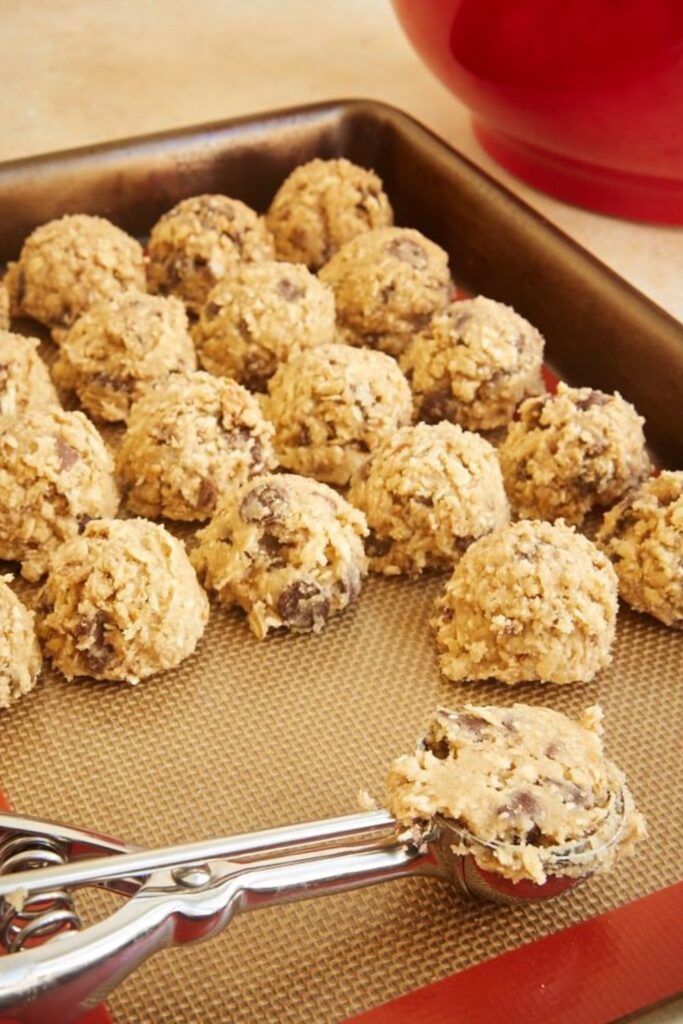
Cookie dough freezing is one of the most useful skills a home baker can develop. With a supply of frozen cookie dough recipes in your freezer, you’re never more than 15 minutes away from fresh, warm homemade cookies. It’s the ultimate dessert idea: make one large batch on a Sunday afternoon and have fresh cookies available for weeks.
Most cookie dough recipes freeze beautifully. Drop cookies (chocolate chip, peanut butter, oatmeal) are the easiest: just scoop the dough into balls before freezing. Slice-and-bake cookies (like shortbread) are also excellent candidates to roll the dough into a log, wrap tightly in plastic wrap, and freeze. When you’re ready to bake, just slice and go.
Freezing Dough Before Baking
The best approach to freezing drop cookie dough is the flash-freeze method. Scoop your dough into balls and arrange them on a parchment paper-lined baking sheet. Place the sheet in the freezer for one to two hours until the dough balls are completely solid. Then transfer them to a zip-lock bag or airtight container. By freezing them individually first, they won’t stick together in the bag, and you can grab exactly as many as you need.
Label every bag with the recipe name, the date, and the baking time and oven temperature. You’ll be grateful for that information at 9pm on a Wednesday when you just want cookies and your brain isn’t fully engaged. Include a note about whether to thaw first or bake from frozen. For most drop cookies, baking from frozen works perfectly with two to three extra minutes added to the baking time. For slice-and-bake styles, thaw the log slightly before slicing for cleaner cuts.
How Long Frozen Dough Lasts
Most cookie doughs maintain their best quality for up to three months in the freezer. After that, they’re still safe to eat but may develop freezer burn or lose some of their flavor complexity. For the very best results, try to use frozen dough within the first six weeks. Store it away from strongly flavored foods like onions or fish, which can transfer odors through freezer bags if the dough isn’t well-sealed.
| Cookie Type | Freezer Life | Bake From Frozen? | Extra Baking Time |
| Chocolate chip | 3 months | Yes | 2–3 minutes |
| Oatmeal | 3 months | Yes | 2–3 minutes |
| Peanut butter | 3 months | Yes | 2 minutes |
| Sugar cookies (balls) | 3 months | Yes | 3–4 minutes |
| Gingerbread (cut) | 2 months | Yes | 2 minutes |
| Shortbread (log) | 3 months | Thaw slightly first | Standard time |
| No-bake | Not recommended | N/A | N/A |
Cookie Ingredients Explained
Understanding your cookie ingredients on a deeper level is what separates a competent baker from a truly skilled one. Once you know what each ingredient does and why substitutions work or don’t work you can adapt any cookie recipe with confidence and troubleshoot problems before they ruin a batch.
This section breaks down the two cookie ingredients that confuse home bakers most: chocolate and sugar. Getting these right is the foundation of almost every best cookie recipe in this guide.
Best Chocolate for Cookies
The chocolate chunks or chips you choose have a significant impact on your finished cookie. Standard supermarket chocolate chips are formulated to hold their shape during baking which means they stay as chips rather than melting into glossy pools of chocolate. That’s fine for some applications, but if you want dramatic, gooey chocolate rivers running through your cookies, chop a chocolate bar instead.
Semi-sweet chocolate (around 55 to 60% cacao) is the classic choice for chocolate chip cookie recipes. It’s balanced, not too sweet, not too bitter, and works with virtually every dough. Dark chocolate (65 to 70% cacao) gives a more intense, slightly bitter flavor that pairs beautifully with brown sugar cookies and anything with caramel notes. Milk chocolate melts faster, is sweeter, and is especially popular in cookies for kids. For premium results, look for Guittard, Ghirardelli, or Valrhona; the flavor difference compared to standard chips is genuinely remarkable.
Brown Sugar vs White Sugar in Cookies
The brown sugar vs white sugar in cookies debate is actually just a conversation about texture and flavor. Neither is wrong, they just produce different results. Understanding the difference lets you adjust any recipe to suit your personal preference.
| Sugar Type | Effect on Cookie | Best For |
| Brown sugar | Moist, chewy, caramel depth | Chewy cookies, oatmeal, peanut butter |
| White sugar | Crisper, more spread, airier | Crispy cookies, shortbread, sugar cookies |
| Equal mix of both | Balanced texture and flavor | Most chocolate chip cookie recipes |
| Coconut sugar | Similar to brown, slightly earthy | Healthier alternatives |
| Powdered sugar | Very tender, minimal spread | Shortbread, Mexican wedding cookies |
Brown sugar contains molasses; it’s essentially white sugar with molasses added back in. That molasses is hygroscopic, meaning it attracts and retains moisture. More moisture in the dough means a softer, chewier cookie that stays fresh longer. Mixing butter and sugar with a higher ratio of brown creates those dense, deeply flavored brown sugar cookies that have become so popular in modern baking. If you ever run out of brown sugar, you can make your own in 30 seconds: one cup of white sugar plus one tablespoon of molasses, stirred together.
How to Customize Any Cookie Recipe

One of the most empowering things you can learn as a baker is that most cookie recipes are flexible. Once you understand the base structure of fat, sugar, eggs, flour, leavening you can add, swap, and substitute your way to something entirely your own. Cookie variations are half the fun of home baking, and you don’t need to follow a recipe exactly to get great results.
These two sections give you a framework for making any homemade cookie recipe uniquely yours whether you’re adding exciting mix-ins or adapting the recipe for dietary needs.
Add Nuts, Chocolate, or Fruit
Mix-ins are where cookie baking ideas really come to life. The general rule is to add between half a cup and one cup of mix-ins per standard batch of dough (typically 24 cookies). Too little and you won’t notice them; too much and the dough won’t hold together properly. Beyond that, almost anything goes.
Toasting your nuts first is a step most recipes skip but it makes a noticeable difference. Spread walnuts, pecans, or almonds on a baking sheet and toast at 350°F for 7 to 8 minutes until fragrant. Toasted nuts have a deeper, more complex flavor that stands out beautifully against sweet dough. Other excellent additions: toffee bits, dried cherries or cranberries, white chocolate chips, caramel bits, shredded coconut, and espresso powder (which intensifies chocolate flavor without making cookies taste like coffee).
Make Cookies Gluten-Free or Vegan
Adapting cookie recipes for dietary restrictions is easier than most people think. Gluten free cookie recipes work best with a 1-to-1 gluten-free flour blend like Bob’s Red Mill or King Arthur’s Measure for Measure. These blends are formulated to replace all-purpose flour at the same ratio without requiring other adjustments. If your blend doesn’t include xanthan gum, add one teaspoon per cup of flour xanthan gum mimics the binding role that gluten normally plays.
Vegan cookie recipes require swaps for both butter and eggs. Vegan butter (Miyoko’s and Earth Balance are the most reliable brands) works at a 1-to-1 ratio in most recipes. For eggs, a flax egg is the most reliable option: mix one tablespoon of ground flaxseed with three tablespoons of water and let it sit for five minutes until it becomes gel-like. It binds just as effectively as a real egg in most cookie doughs. For chocolate, use dairy-free chips Enjoy Life is the most widely available brand and genuinely tastes great.
Cookie Recipes by Occasion
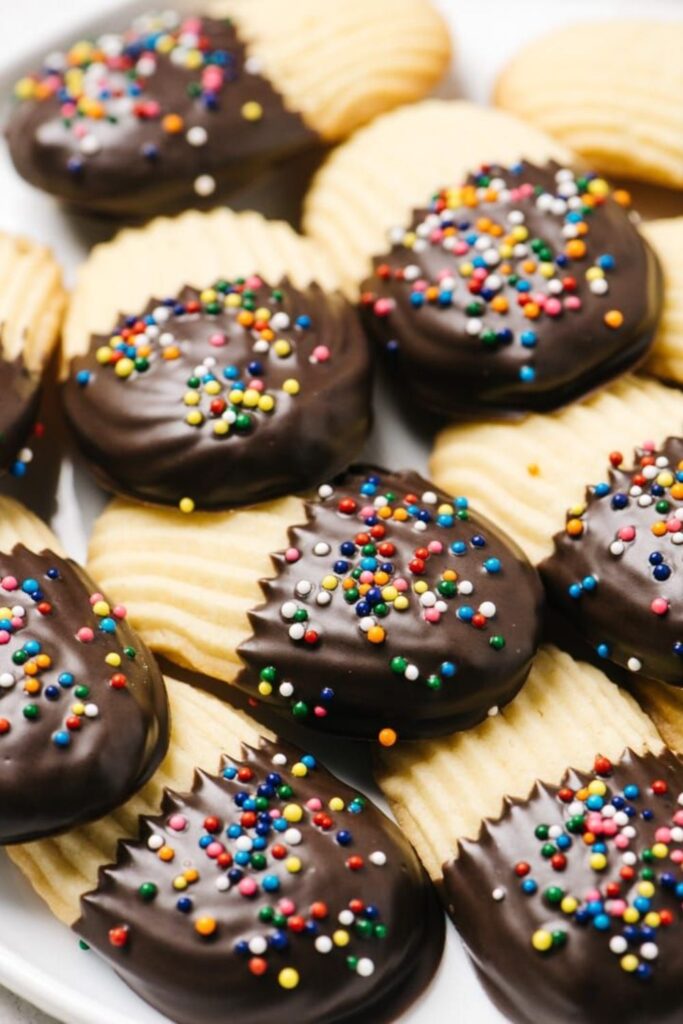
One of the great things about cookie baking ideas is how naturally they fit into every kind of occasion. Cookies to bake at home aren’t just for quiet Tuesday nights they’re for celebrations, gifts, gatherings, and everything in between. Matching the right cookie to the right moment makes the whole experience more intentional and more memorable.
Cookies for Parties
When you’re baking cookies for a crowd, practicality matters as much as flavor. You need easy cookie recipes that scale well, look attractive, hold up well at room temperature, and appeal to a broad audience. Sugar cookies are the top choice for parties because they’re universally loved, can be decorated to match any theme, and baked in large quantities without issue. Chocolate chip cookie recipes are a reliable crowd-pleaser; there’s almost no one who doesn’t like them.
For quantities, plan on three to four cookies per adult guest. Bake two days ahead and store in airtight containers most cookies actually taste better on day two, once the flavors have had time to meld. For display, tiered cookie trays, glass apothecary jars, and clear acrylic boxes all create a visually impressive spread without requiring any complicated arrangement. Cookie storage tips for parties: keep cookies at room temperature, away from direct sunlight and heat sources.
Cookies for Gifts and Holidays
The best Christmas cookie recipes for gifting are the ones that travel well, stay fresh for at least a week, and look beautiful without a lot of fussy packaging. Shortbread cookies, gingerbread, Danish butter cookies, and spritz cookies all check every box. They’re sturdy enough to stack and ship without breaking, they hold their flavor for 7 to 10 days in an airtight tin, and they look inherently festive and polished.
Cookie storage tips for gifting: line your tin with parchment paper, place a sheet between each layer, and avoid mixing strongly flavored cookies (like gingerbread) with delicately flavored ones (like butter cookies) in the same tin, as the spices can transfer. Add a handwritten card with the cookie names and a “best by” date. It’s a thoughtful touch that elevates any homemade dessert gift into something truly special.
Frequently Asked Questions
What makes chocolate chip cookies chewy?
Several factors combine to create that signature chew. The most important is using more brown sugar than white the molasses in brown sugar is hygroscopic, meaning it retains moisture and keeps cookies soft long after baking. An extra egg yolk adds fat and richness. Chilling the dough before baking helps cookies spread more slowly, keeping them thick. And pulling them from the oven two minutes early lets the centers set up soft rather than firm. All of these work together to create chewy cookie recipes that stay perfectly textured for days.
Can cookie dough be frozen?
Absolutely and cookie dough freezing is one of the most useful skills any home baker can develop. Scoop the dough into individual balls, freeze them on a parchment paper-lined tray until solid, then transfer to a zip-lock bag. Most doughs last up to three months frozen and can go straight from the freezer to the oven with just two to three extra minutes added to the standard baking time. Label your bags with the recipe name, oven temperature, and original bake time so you’re not guessing later.
What is the secret to soft cookies?
The biggest secret most bakers don’t know: take the cookies out of the oven when they still look slightly underdone. The centers should look shiny and almost raw. They’ll continue cooking on the hot baking sheet for several minutes after leaving the oven, and they’ll firm up completely as they cool. Other factors that help: more brown sugar, a teaspoon of cornstarch in the dough, chilling the dough before baking, and using bread flour instead of all-purpose for extra structure and chew.
Which cookie recipe is easiest for beginners?
The 3-ingredient peanut butter cookie recipe is the most beginner-friendly of all just peanut butter, sugar, and an egg. Mix, scoop, bake. No stand mixer, no chilling, no complicated steps. It’s also naturally gluten free, which makes it accessible to more people. After that, one-bowl oatmeal cookie recipes and vanilla sprinkle cookies are excellent starting points that build confidence while still producing genuinely impressive results.
How long do homemade cookies stay fresh?
Most homemade cookie recipes stay fresh for five to seven days stored in an airtight container at room temperature. Cookie storage tips to extend freshness: add a slice of bread to the container. The cookies will absorb moisture from the bread rather than drying out and you can replace the bread slice every day or two to keep them perfectly soft. For longer storage, most baked cookies freeze well for up to three months. Freeze them in a single layer first, then transfer to a bag or container once solid.
Conclusion
Baking cookies at home is one of life’s greatest simple pleasures. And now you’ve got everything you need to do it really well. This guide walked you through 25 easy cookie recipes that genuinely work from the best chocolate chip cookie recipe that delivers crispy edges and a gooey soft center, to no-bake cookie recipes that don’t even need an oven. You explored quick cookie recipes for busy weeknights, Christmas cookie recipes for the holidays, and everything in between.
Here’s the honest truth about baking cookies: it isn’t about being perfect. It’s about understanding a handful of simple principles and then trusting the process. Chill your dough. Don’t overbake. Use quality chocolate chunks. Measure your flour with the spoon-and-level method. Get those basics right and you’ll nail soft cookie recipes, chewy cookie recipes, and bakery style cookies at home every single time no culinary degree required.