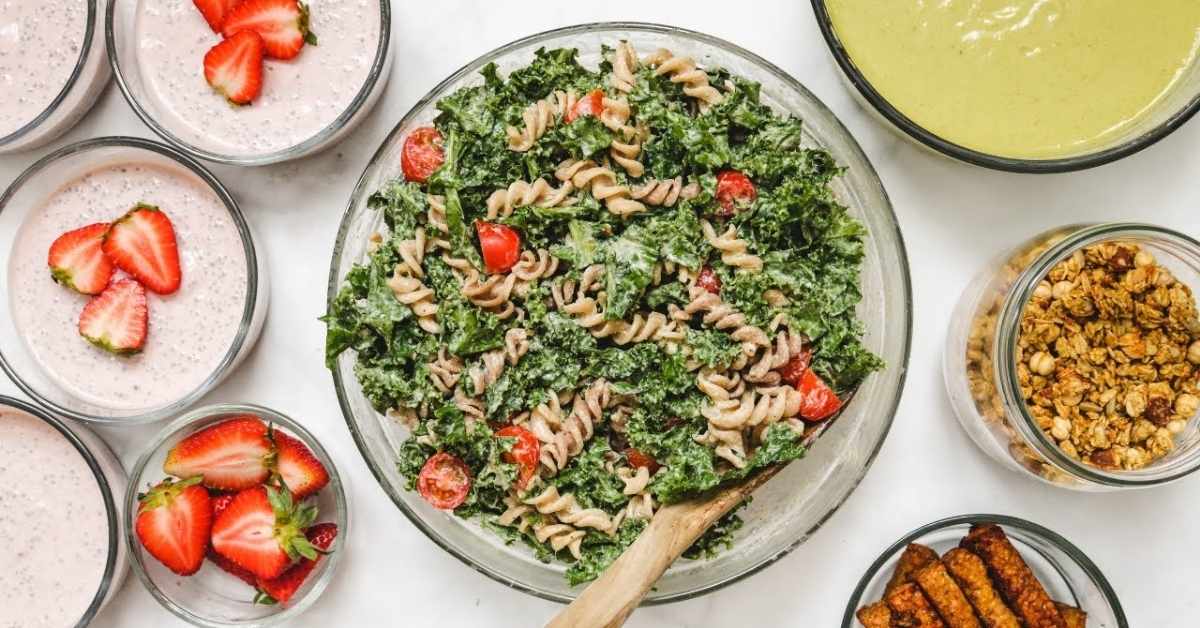
26 easy Vegetarian Meals That Are Actually Filling (No Sad Salads Required)
Most vegetarian meal lists are secretly just side dishes wearing a main course costume. You’ve seen them a bowl of roasted veggies with a drizzle of tahini, called a “dinner.” That’s not dinner. That’s a garnish with ambition.
The meals below are genuinely satisfying. Not “filling if you eat three portions” satisfying actually, stick-to-your-ribs, no-snacking-at-10pm filling. The difference comes down to knowing which ingredients carry real staying power, and how to layer them so every bite has something happening.
Whether you’re cutting back on meat, cooking for someone who doesn’t eat it, or just bored of the same rotation these are the vegetarian meals worth actually making.
Spiced Red Lentil Dal With Crispy Shallots
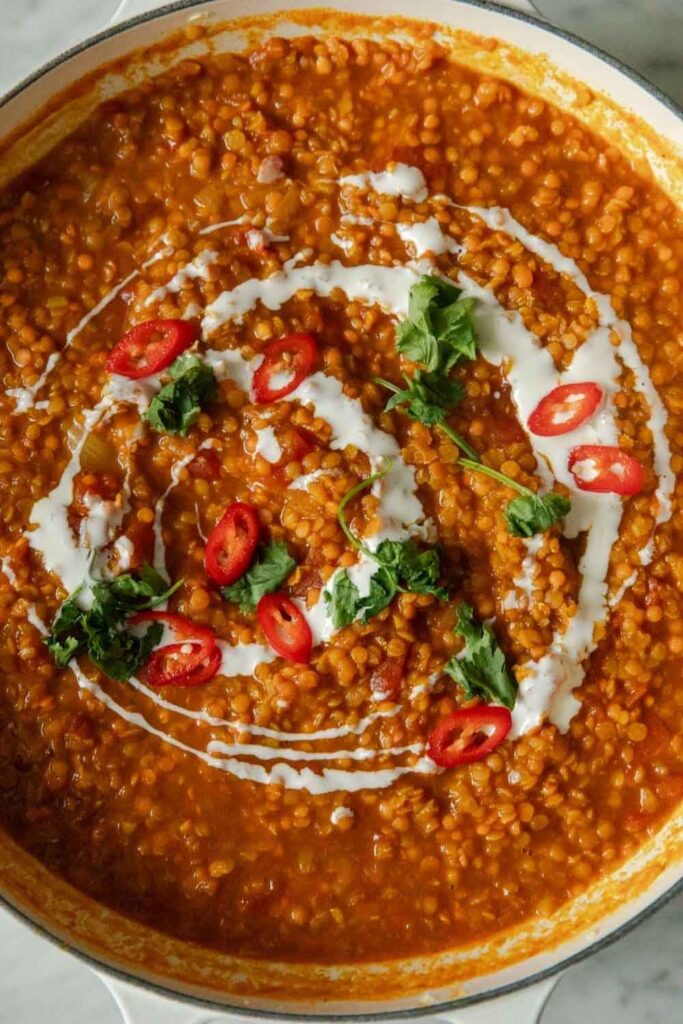
Dal gets written off as “basic health food” by people who’ve never had it made well. Done right, it’s one of the most deeply flavored dishes in any cuisine warming, layered, and filling in a way that no amount of roasted broccoli can match.
Red lentils dissolve into a thick, velvety base that eats more like a stew than a soup. The key move most recipes skip: bloom your whole spices (cumin seeds, mustard seeds, dried chilis) in hot oil first, before anything else hits the pan. That fat carries the flavor everywhere. Then finish with a tarka , a separate pour of sizzling spiced ghee or oil over the top right before serving. It’s not optional. It’s what makes dal taste like it came from somewhere.
Add a squeeze of lemon at the end and serve over basmati. The crispy shallots on top add texture that makes each spoonful feel complete. High-protein, cheap to make, reheats beautifully.
The insight most recipes miss: Lentils need acid. Without a splash of lemon or a spoonful of tamarind, dal tastes flat no matter how many spices you add. Acid is the finishing note that makes everything else pop.
Shakshuka With Feta and Fresh Herbs
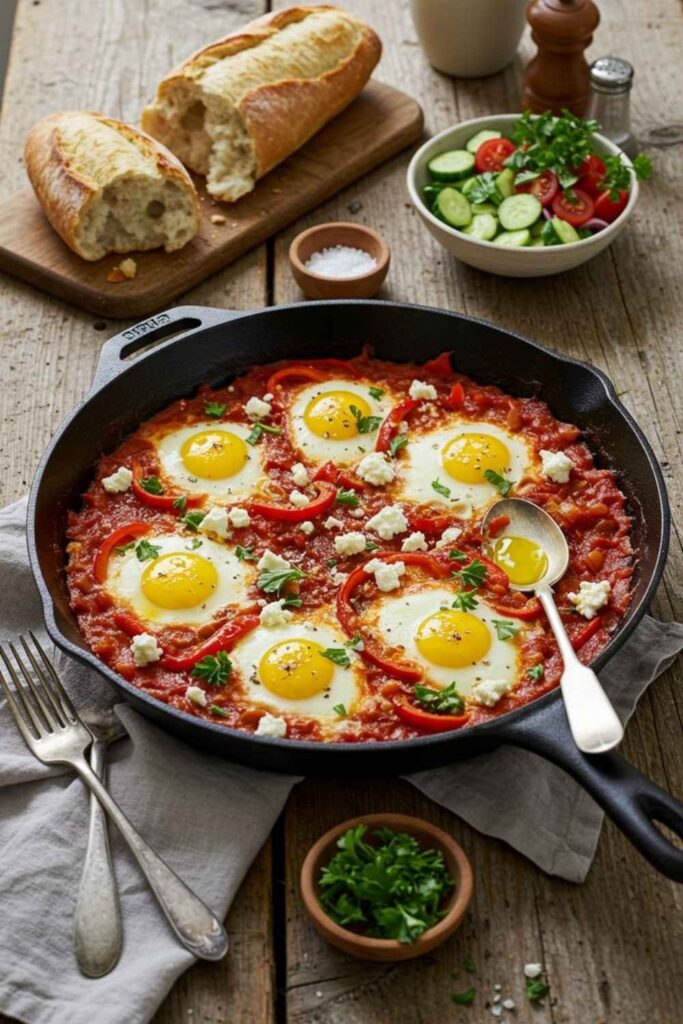
If you want something fast, deeply savory, and impressive enough to serve guests, shakshuka is it. Eggs poached directly in a spiced tomato sauce, topped with crumbled feta and torn herbs, served straight from the skillet. Twenty-five minutes, one pan.
The tomato base is where most recipes get lazy. Don’t use canned tomatoes and call it done. Cook your onions and peppers low and slow until they’re almost jammy for ten minutes minimum. Then add smoked paprika, cumin, and a pinch of chili flakes. Then add the tomatoes. That extra time in the pan transforms a thin red sauce into something rich with body.
Crack four to six eggs into the simmering sauce, cover the pan, and resist the urge to touch them. You want set whites, runny yolks. Serve with crusty bread honestly, you need it to scoop everything up.
Opinion: Shakshuka is a better weeknight dinner than most pasta dishes. Faster, more protein, more flavor per minute of effort.
Read More About:25 Easy Vegan Recipes That Actually Satisfy No Sad Salads Here
Crispy Chickpea Tacos With Avocado Crema
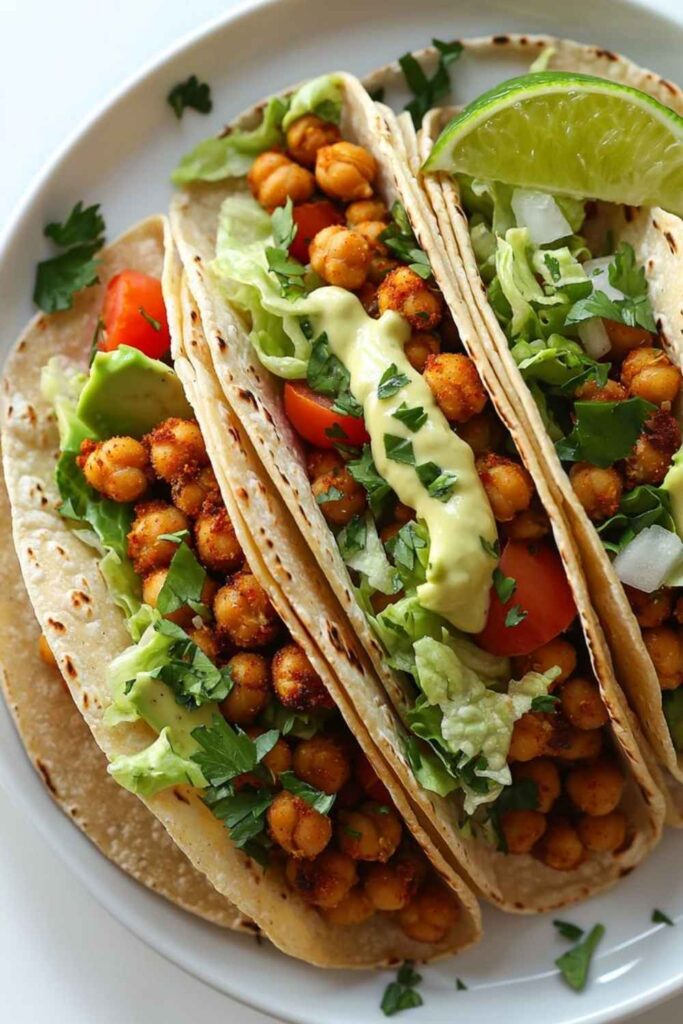
Chickpeas are the vegetarian protein most people undercook and under-season, then wonder why the dish feels boring. The fix is simple: dry them completely, toss with olive oil and a heavy hand of spices, and roast at high heat until genuinely crispy, not just warm and soft.
Season with smoked paprika, garlic powder, cumin, and a little cayenne. Roast at 425°F for 25-30 minutes, tossing once halfway. They should rattle in the pan when done. That crunch is the texture stand-in for meat without it, the tacos fall flat.
The avocado crema (blended avocado, lime juice, a touch of sour cream or yogurt, salt) adds richness and cools the heat. Pile everything into warm corn tortillas with shredded cabbage for crunch. It’s genuinely fun to eat the kind of vegetarian meal that doesn’t require anyone to “adjust their expectations.”
Mistake to avoid:
Skipping the drying step. Wet chickpeas steam in the oven instead of crisping. Pat them completely dry with a paper towel, even if it feels excessive.
Black Bean Soup With Smoky Chipotle
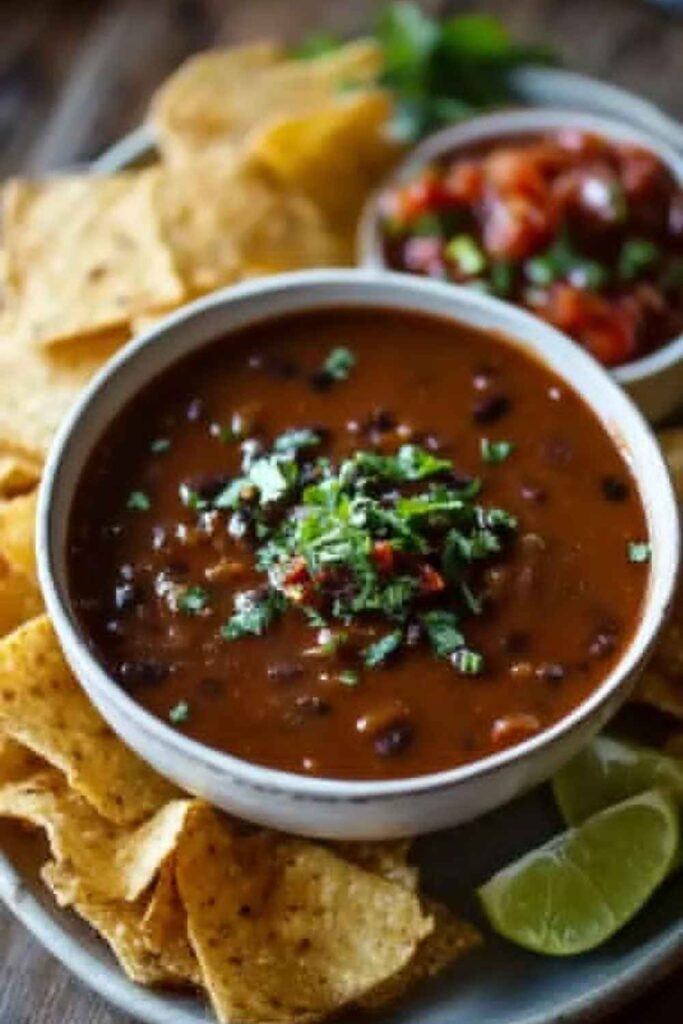
Black beans have a natural earthiness that, when cooked with the right aromatics, develops into something almost smoky and meaty. Chipotle peppers in adobo are the shortcut to that depth. One or two chipotles added early in the cooking process does more flavor work than an hour of simmering alone.
Start with onion, garlic, and cumin in a heavy pot. Add two cans of black beans (don’t drain one of them; the starchy liquid thickens the soup), a chopped chipotle with some of its sauce, and chicken or vegetable stock. Simmer for 20 minutes, then partially blend. That half-blended texture, part smooth, part chunky is what makes it feel substantial rather than watery.
Finish with lime juice and a pinch of oregano. Top with a spoonful of sour cream, sliced scallions, and a few tortilla chips for crunch. It’s warm, smoky, and satisfying in the way that good soup should be the kind that makes you feel like you’ve eaten something rather than just consumed liquid.
Specific insight: The blending step is a texture choice, not just aesthetics. A fully blended bean soup is thicker but loses nuance. A partially blended one gives you body and texture contrast.
Read More About:24 Best High-Protein Recipes That Actually Keep You Full (Not Just Fueled)
Mushroom and Spinach Quesadillas With Pepper Jack
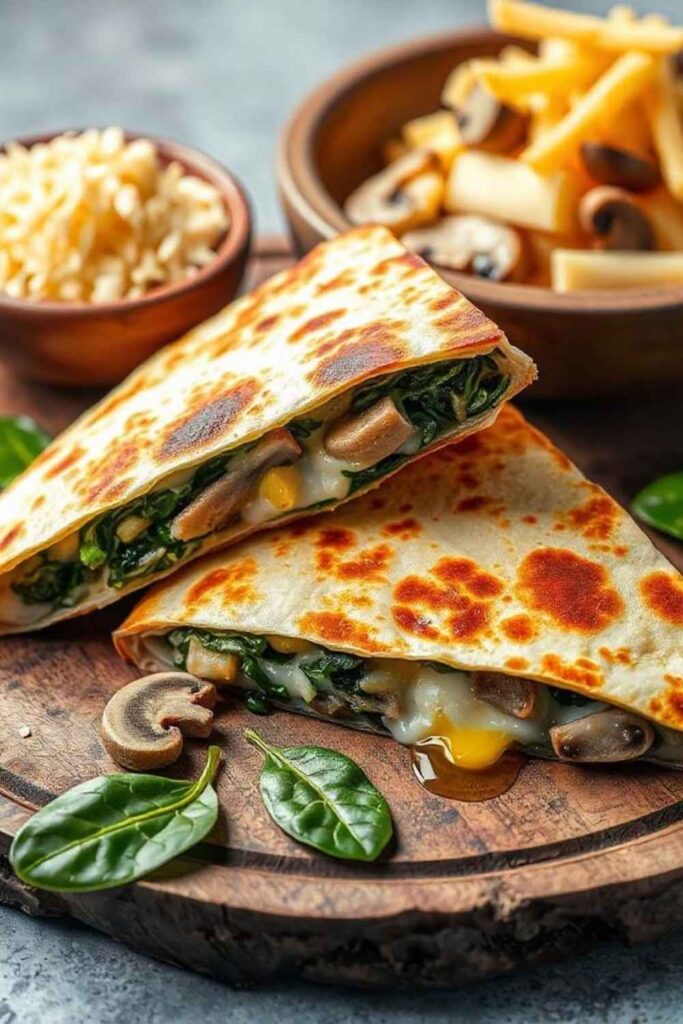
Mushrooms are the vegetarian ingredient most underestimated for their meat-replacing potential not because they “taste like meat” (they don’t, and that’s fine), but because they carry umami in a way almost nothing else in the vegetable world does.
The technique that separates good mushroom quesadillas from great ones: don’t crowd the pan. Cook mushrooms in a single layer over high heat without stirring. Give them 3-4 minutes undisturbed so they can brown properly. Stirring constantly just steams them into rubbery softness. Season well with salt, garlic, and a splash of soy sauce toward the end that’s your umami multiplier.
Layer the cooked mushrooms with fresh spinach and pepper jack cheese in flour tortillas. Cook in a dry skillet over medium heat until the cheese is fully melted and the outside is golden and slightly charred at the edges. Serve with a simple tomato salsa or just sour cream. Fast, satisfying, and genuinely good.
Comparison: Mushroom quesadillas made with well-browned mushrooms versus poorly cooked ones is like the difference between caramelized onions and raw onions. Same ingredient, entirely different result.
Vegetable Fried Rice With Soft Scrambled Eggs
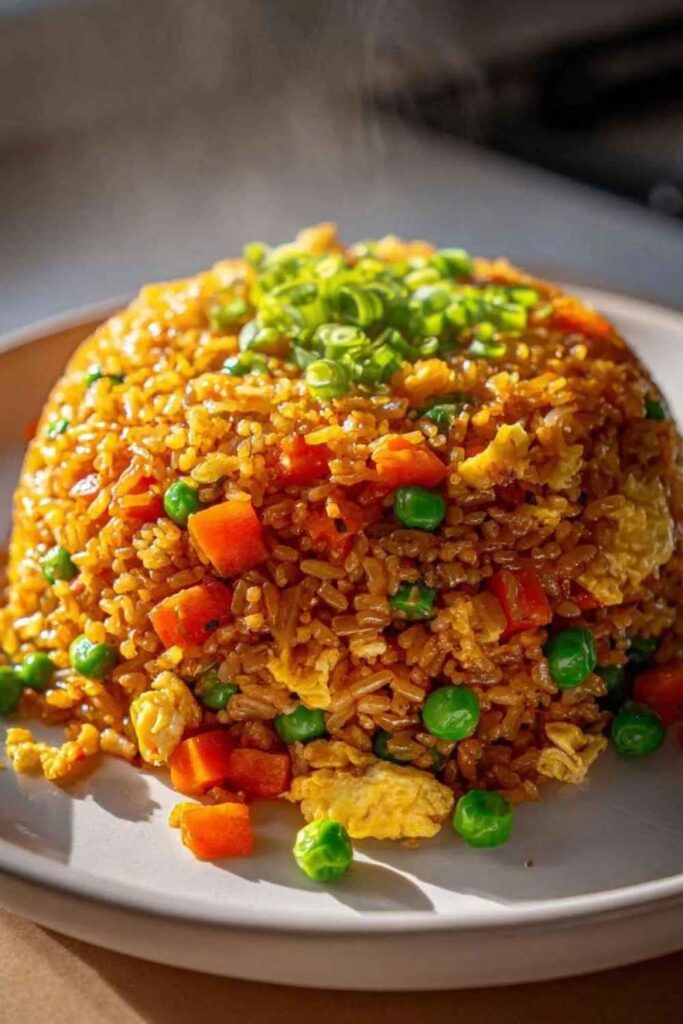
The thing that separates restaurant-quality fried rice from the sad, soggy version people make at home is almost always one thing: cold, day-old rice. Fresh rice has too much moisture. It steams in the pan instead of frying, and everything clumps together. Day-old rice, refrigerated overnight, has dried out just enough to fry properly, each grain separate, with a slight chew.
Use high heat. This is not a dish for a gentle simmer. A screaming-hot wok or skillet is what gives fried rice its signature slightly-smoky flavor (called wok hei literally “breath of the wok”). If your pan isn’t sizzling aggressively when the rice hits it, turn it up.
Scramble the eggs separately in a little oil, remove them, then fry your vegetables and rice before adding the eggs back in. Season with soy sauce, sesame oil, and a splash of rice vinegar right at the end. The vinegar is the secret: it brightens everything without making the dish taste acidic.
Counterintuitive tip: Frozen peas and carrots are better here than fresh. They’ve been blanched before freezing, which means they heat through quickly without turning mushy or releasing extra water into the pan.
Creamy Tuscan White Bean Pasta
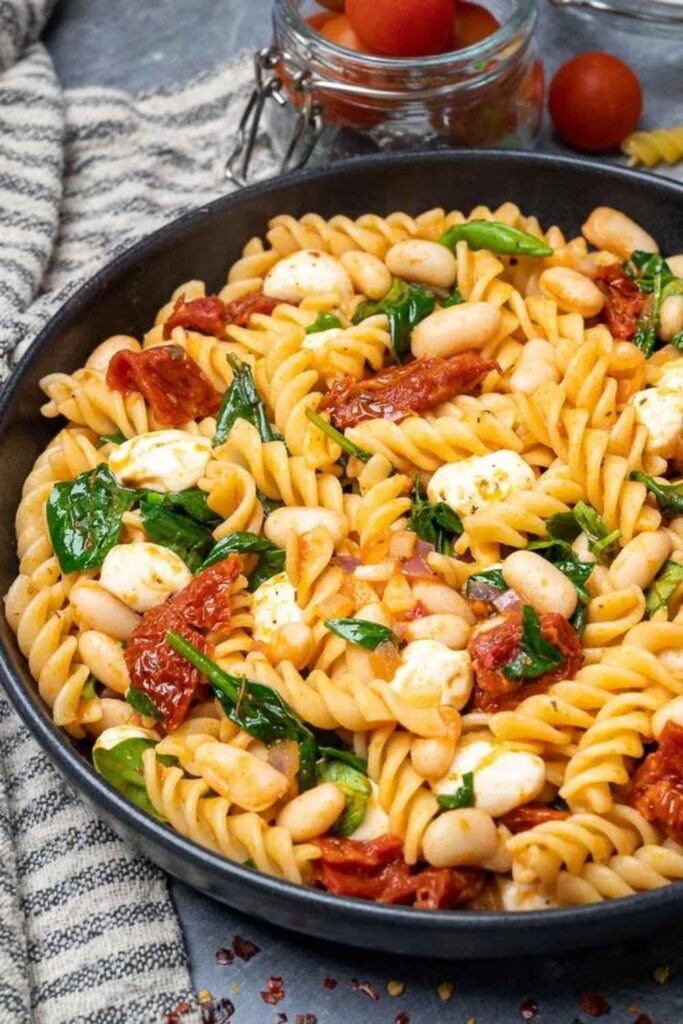
White beans cannellini, specifically, are the underrated star of easy weeknight vegetarian cooking. They’re creamy, mild, high in protein and fiber, and they dissolve partially into sauces in a way that gives pasta dishes a thick, luxurious texture without any cream.
Sauté garlic in olive oil until golden, add a can of white beans (again don’t drain fully), some sun-dried tomatoes, a handful of spinach, and a splash of pasta cooking water. The starchy pasta water is doing a lot of heavy lifting here; it emulsifies the sauce, helping everything coat the pasta rather than sliding off it.
Toss in cooked pasta (rigatoni or orecchiette work best, their texture holds up to the chunky sauce), finish with lemon zest, red pepper flakes, and a heavy hand of parmesan or nutritional yeast if keeping it fully plant-based. The result is pasta that feels indulgent but is built on genuinely nutritious ingredients.
The insight competitors skip: Partially crushing some of the beans into the sauce as it cooks creates a creamy base without any dairy. It’s the same technique that makes hummus thick beans are natural emulsifiers.
Read More About:23 Amazing Low-Carb Meals That Fill You Up (No Sad Salads)
Sweet Potato and Black Bean Burrito Bowls
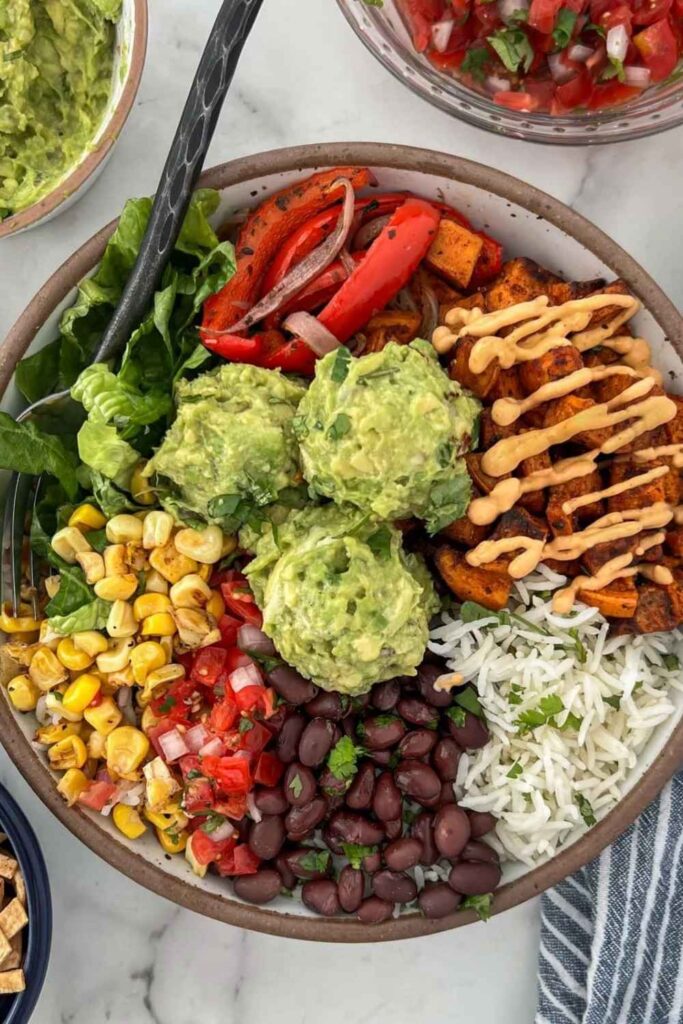
Bowl meals live or die by their base layer and sweet potato is one of the best in the vegetarian toolkit. Naturally sweet, filling, and rich in fiber, roasted sweet potato chunks add substance and color that make a bowl feel intentional rather than assembled from leftovers.
Roast sweet potato cubes at 425°F with olive oil, cumin, and chili powder until the edges are caramelized and slightly sticky. Cook your rice with a little lime juice and cilantro stirred in after. Build the bowl: rice, black beans (warmed with garlic and cumin), sweet potato, sliced avocado, pickled red onion, and a drizzle of chipotle sauce.
Pickled red onion is optional in the sense that oxygen is optional. Technically you can skip it, but the bright, acidic crunch cuts through all the rich, heavy elements in a way that makes every bite balanced. A jar takes five minutes to make and lasts two weeks in the fridge.
Practical tip: Make all three components (rice, beans, sweet potato) in bulk on Sunday and you have four to five bowl meals ready for the week with minimal daily effort.
Paneer Tikka Masala
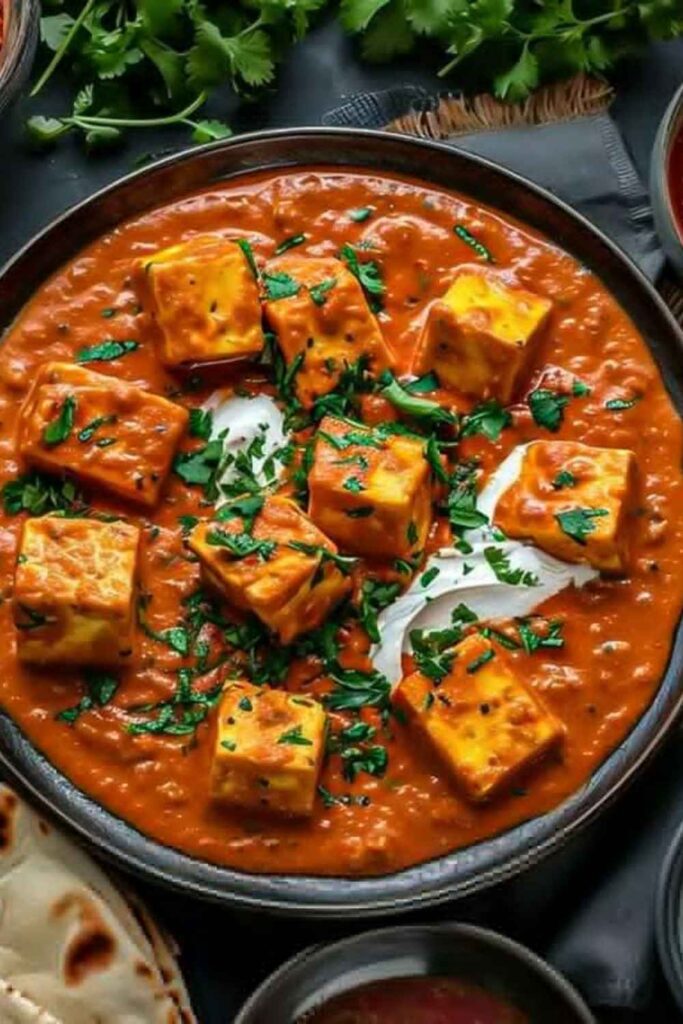
Paneer, the firm Indian cheese that doesn’t melt, is the most underutilized protein in Western vegetarian cooking. It holds its shape when cooked, soaks up marinades brilliantly, and pairs with bold spice-based sauces better than almost anything else.
Cube the paneer, toss in yogurt with tikka marinade spices (garam masala, turmeric, ginger, garlic), and either pan-fry or broil until the edges are charred and slightly crisp. That char matters; it adds bitterness and smoke that balances the rich, slightly sweet tomato-cream sauce.
The masala sauce itself: onion, garlic, ginger, tomatoes, and spices, blended smooth, then finished with a splash of heavy cream or coconut cream. The cream rounds out the acidity of the tomatoes without making the dish taste heavy. Serve over basmati with naan for dipping into the sauce. Honestly, hard to beat.
Strong opinion: Paneer tikka masala is a better “impressive dinner party dish” than most chicken versions. The texture of charred paneer in a rich sauce is more interesting than chicken, which can turn rubbery if overcooked.
Vegetarian Chili With Three Beans
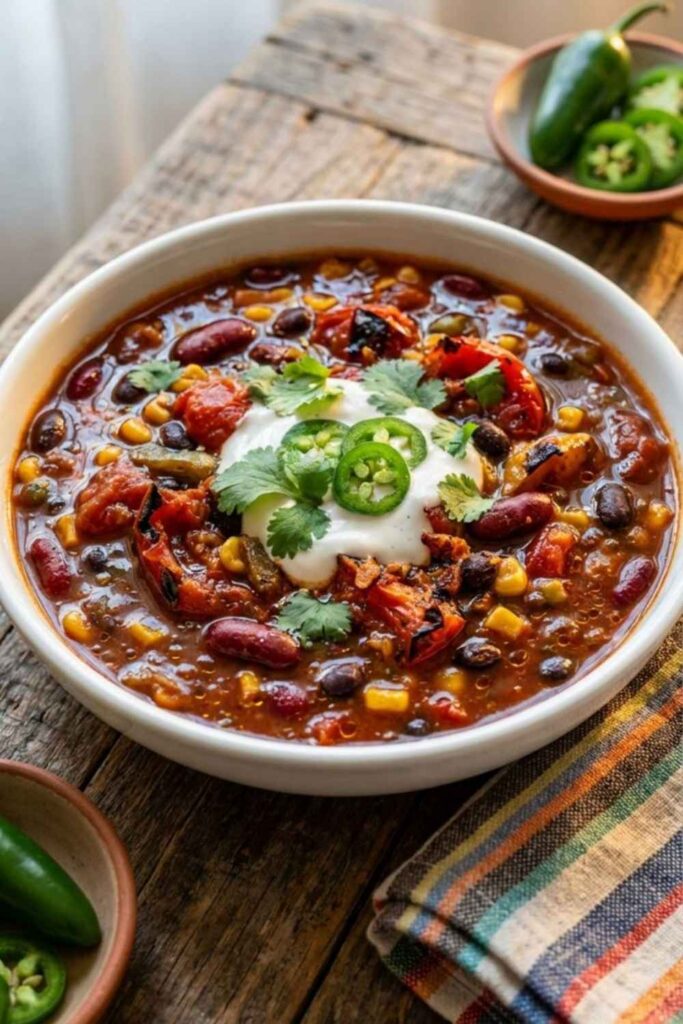
Three-bean chili gets a bad reputation because most versions lack depth; they taste like tomato soup with beans thrown in. The fix isn’t more spice. It’s a better technique.
The foundation of good chili, vegetarian or otherwise, is building flavor before the liquid goes in. Brown your vegetables properly. Add tomato paste and let it cook for two full minutes until it darkens slightly and smells almost nutty. This caramelization step deepens the entire dish. Add your spices and toast them in the residual oil before adding any liquid.
Use three bean varieties kidney, black, and pinto for texture contrast. Each has a different density and mouthfeel, so every spoonful has something slightly different happening. Add a square of dark chocolate and a splash of strong coffee near the end of cooking. Both deepen the color and add complexity without making the chili taste like either one.
The counterintuitive move: Don’t rinse your canned beans. The liquid (aquafaba) is starchy and slightly thick; it enriches the sauce. Rinsing just washes away the body.
Caprese Stuffed Portobello Mushrooms
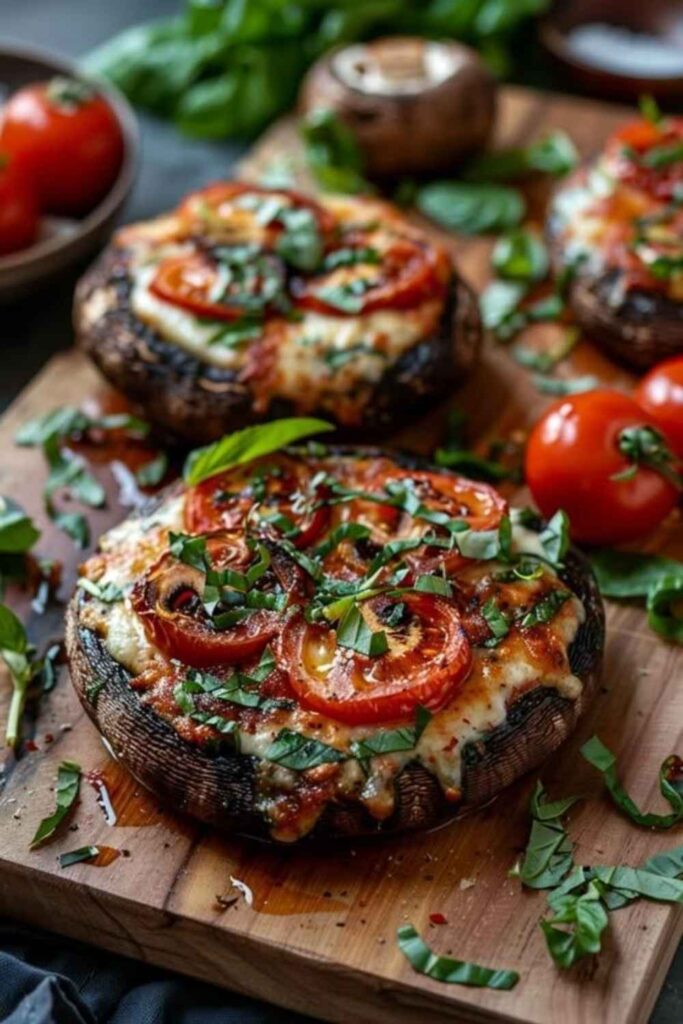
Portobello mushrooms baked until tender and filled with fresh mozzarella, sliced tomatoes, and basil then finished with a balsamic glaze is one of those vegetarian meals that doesn’t feel like a compromise in any direction. It’s visually beautiful, genuinely filling (a single large portobello is surprisingly substantial), and takes about 25 minutes.
Remove the stems and scrape out the gills (the gills hold water and make the mushroom soggy if left in). Brush with olive oil, season generously, and roast gill-side down for 10 minutes first. This drives out moisture before you add the filling critical for a good result. Flip, add sliced tomatoes and mozzarella, and broil until the cheese is bubbling and golden.
Finish with fresh basil, cracked pepper, and a drizzle of aged balsamic. The sweet-tart syrupiness of good balsamic is the element that ties everything together and makes this feel like a restaurant dish rather than something you assembled at home.
Comparison: This is a better option than eggplant parmesan for weeknights with the same visual drama, half the time, less fuss with breading and frying.
Egg Fried Cauliflower Rice With Ginger and Sesame
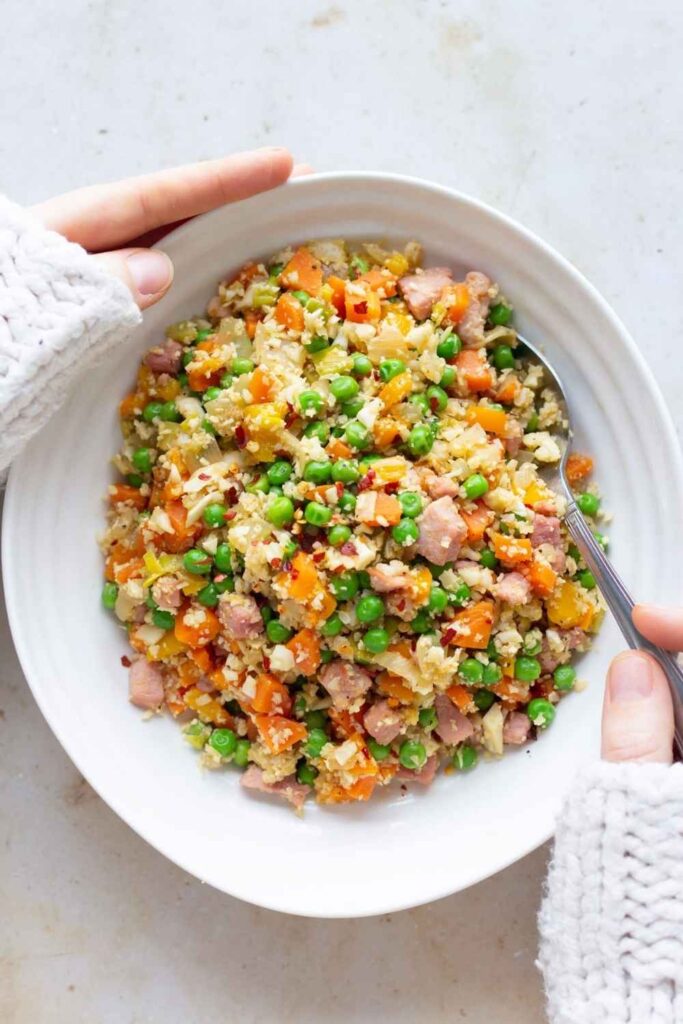
Cauliflower rice is genuinely good not as a grain replacement, but as its own thing. When cooked at high heat with the right seasonings, it develops a slightly nutty flavor and a light, toothy texture that works brilliantly as a base for bold Asian-style flavors.
Pulse raw cauliflower in a food processor (or buy it pre-riced) and cook it over screaming-hot heat in a wide pan, spreading it thin. Don’t stir for the first two minutes, let it brown on the bottom before tossing. Season with soy sauce, freshly grated ginger, garlic, and a drizzle of sesame oil. Push everything to the sides, scramble two eggs in the center, then toss everything together.
Top with sliced scallions, sesame seeds, and optional chili oil. It’s light but satisfying, ready in 15 minutes, and works as a meal on its own or as a side.
Honest note: This won’t fool anyone into thinking it’s rice, and it doesn’t need to. On its own terms, well-made cauliflower fried rice is genuinely delicious.
Spinach and Ricotta Stuffed Shells
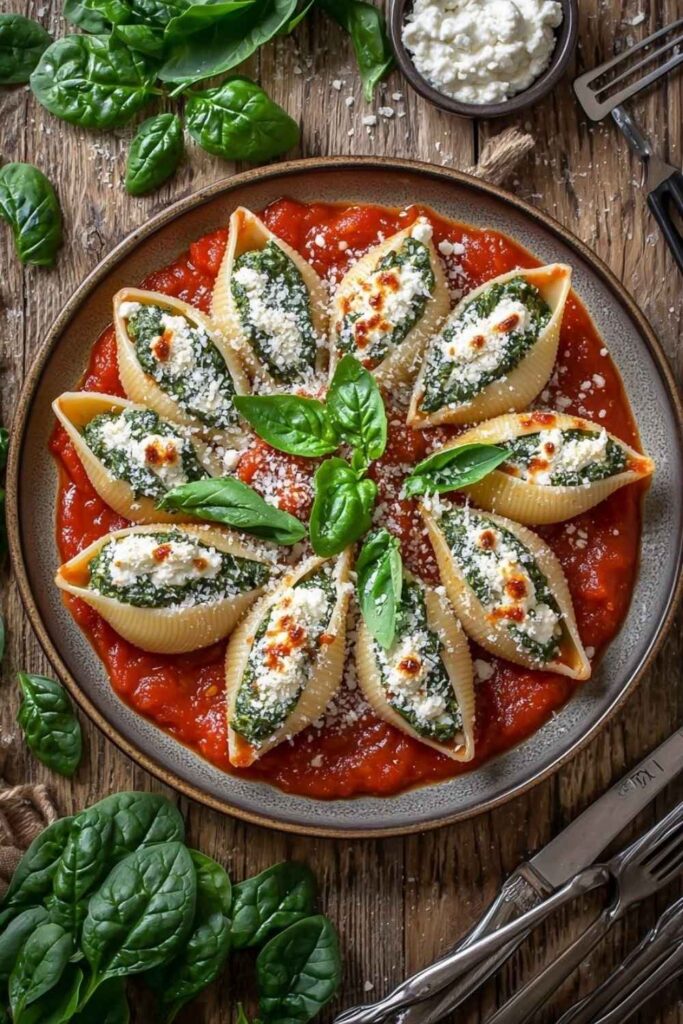
Jumbo pasta shells stuffed with a ricotta-spinach filling, baked in marinara with a blanketing layer of melted mozzarella, this is the kind of vegetarian meal that satisfies in an almost architectural way. Every shell is its own little package.
The filling: whole-milk ricotta (not part-skim, the fat carries flavor and prevents a grainy texture), cooked and well-squeezed spinach, parmesan, one egg, garlic, nutmeg, salt, and pepper. The nutmeg is the move almost every recipe omits, but it’s what makes ricotta fillings taste complex rather than plain.
Squeeze as much water as possible out of the cooked spinach; this cannot be overstated. Watery spinach dilutes the filling and makes shells fall apart. Use your hands if you need to. Squeeze twice.
Practical tip: These freeze beautifully before baking. Make a double batch, freeze half unbaked, and you have a full dinner in the freezer for a night when cooking feels impossible.
Vegetable Curry With Coconut Milk
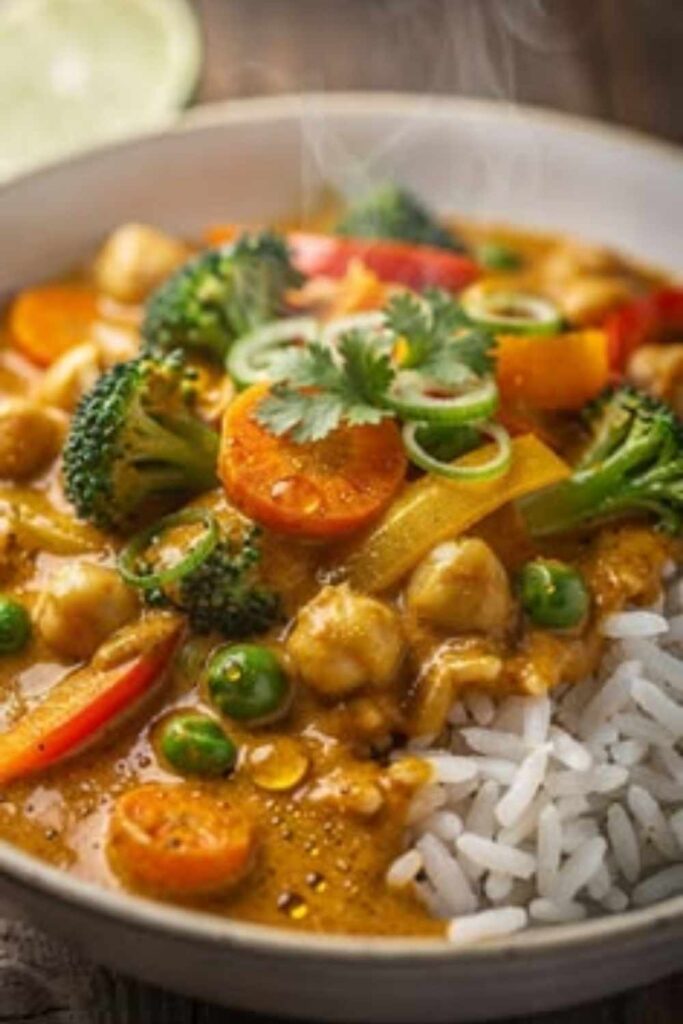
A well-made vegetable curry is one of the most forgiving dishes in vegetarian cooking endlessly adaptable to whatever is in your fridge, deeply flavorful, and easy to scale. The coconut milk does the heavy flavor lifting, creating a rich, lightly sweet base that absorbs spices brilliantly.
Build your curry paste or bloom store-bought curry paste in oil for one to two minutes before adding anything else. This step is the difference between a flat, thin sauce and a layered one. Add vegetables in order of cooking time: dense ones (potatoes, carrots) first, tender ones (zucchini, spinach, peas) last.
Coconut milk separates when boiled aggressively and keeps your heat at a gentle simmer once it’s added. A squeeze of lime and a scatter of fresh cilantro at the end bring brightness to what can otherwise become a very heavy dish.
The differentiated insight: Add a spoonful of peanut butter toward the end of cooking. It rounds the sauce without making it taste like peanuts. It’s a Thai technique that works equally well in Indian-style curries and most home cooks have never tried it.
Greek-Style Lemon Rice Soup Vegetarian Avgolemono
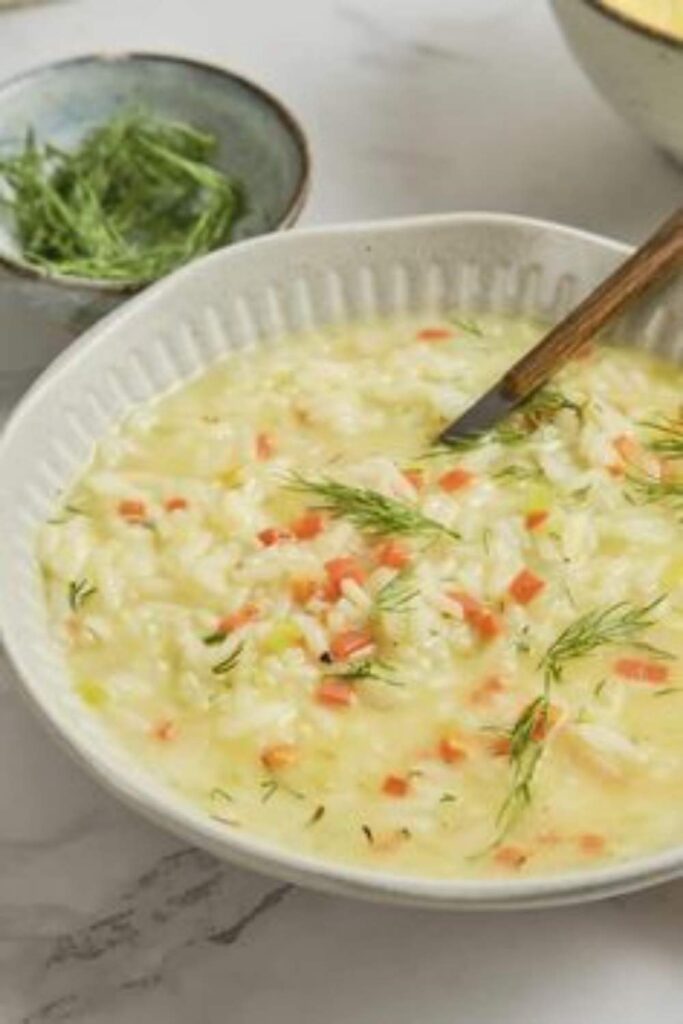
Traditional avgolemono uses chicken broth and shredded chicken, but the vegetarian version made with good vegetable stock, orzo, and the same egg-lemon thickening technique is equally silky, bright, and restorative.
The technique: whisk eggs with lemon juice until frothy, then temper with a ladle of hot soup before adding back to the pot. This creates a thick, creamy texture without any flour or dairy. It sounds fussy, but takes about two minutes and the result is genuinely unlike anything else in vegetarian cooking: a soup that feels rich without being heavy.
Season simply: good vegetable stock, plenty of lemon, salt, white pepper. The restraint is the point. Serve with crusty bread and a drizzle of good olive oil.
Counterintuitive take: The better your vegetable stock, the better this soup. Boxed stock works, but this is one dish where making stock from scratch (or using a good quality store-bought concentrate) makes a noticeable difference.
Quick-Decision Guide: Which Vegetarian Meal Should You Make Tonight?
| Meal | Best For | Time | Protein Level | Effort Level |
| Red Lentil Dal | Meal prep, batch cooking | 35 min | High | Low |
| Shakshuka | Quick weeknight dinner | 25 min | Medium | Low |
| Crispy Chickpea Tacos | Fun, textural eating | 35 min | Medium | Low |
| Black Bean Soup | Cold nights, comfort meals | 30 min | High | Low |
| Mushroom Quesadillas | Fast, satisfying snack-dinner | 20 min | Medium | Low |
| Fried Rice | Use-up-the-fridge nights | 15 min | Medium | Low |
| White Bean Pasta | Cozy, filling weeknight pasta | 20 min | High | Low |
| Burrito Bowls | Meal prep, batch cooking | 45 min | High | Medium |
| Paneer Tikka Masala | Dinner party, impressive meal | 45 min | High | Medium |
| Three-Bean Chili | Big batch, freezer-friendly | 50 min | High | Medium |
| Stuffed Portobello | Date night, elegant presentation | 25 min | Medium | Low |
| Cauliflower Fried Rice | Light, low-carb night | 15 min | Medium | Low |
| Stuffed Shells | Weekend comfort meal | 55 min | Medium | Medium |
| Vegetable Curry | Flexible, fridge-clearout dinner | 40 min | Medium | Low |
| Avgolemono Soup | Restorative, rainy-day meal | 35 min | Medium | Medium |
Key Takeaways
Go for lentils or white beans if you want maximum protein and fiber with minimum cost and effort they’re the real workhorses of vegetarian cooking
Skip the roasted vegetable bowl when you’re actually hungry it’s a side dish, not a dinner, unless you’re building it around a real protein anchor
Best choice for impressing guests: Paneer tikka masala or stuffed pasta shells both look and taste like significant effort even when they aren’t
For meal prep, burrito bowls and three-bean chili are the clear winners make once, eat all week, and both taste better the next day
Best 15-minute option: Vegetable fried rice (with pre-cooked cold rice) or cauliflower fried rice genuinely fast, genuinely good
If someone at the table is skeptical about vegetarian food, start with shakshuka, crispy chickpea tacos, or paneer tikka masala bold flavors and satisfying textures tend to win people over faster than mild, virtuous options
FAQ’s
Can vegetarian meals give me enough protein?
Yes but it requires being intentional about ingredients rather than just removing meat from existing recipes. Lentils, chickpeas, black beans, white beans, eggs, paneer, and Greek yogurt are all high-protein anchors. A meal built around one of these (rather than vegetables alone) will keep you full for hours.
What’s the easiest vegetarian meal to learn how to cook well?
Shakshuka. It has very few ingredients, requires minimal technique, and the flavor payoff is disproportionately high relative to the effort. It’s also forgiving; the sauce is hard to overcook, and the eggs can be adjusted to whatever doneness you prefer. IMO, it’s the single best recipe to build confidence with.
Why do some vegetarian meals feel unsatisfying even after eating a full portion?
Usually a lack of fat or protein, or both. Meals built entirely on vegetables and grains without a protein anchor (beans, eggs, cheese, tofu, legumes) digest quickly and leave you hungry sooner. Adding a fat source (olive oil, avocado, cheese, coconut milk) slows digestion and adds satiety. If you’ve eaten vegetarian and felt unsatisfied, it almost certainly came down to one of those two missing elements.
Conclusion
The biggest shift in vegetarian cooking isn’t about finding the right recipe, it’s understanding that satisfaction comes from building flavor and fullness deliberately. Fat, protein, acid, and texture are the four levers. Pull all four and any of the meals above will hold up as a real dinner, not a consolation prize.
Start with two or three from this list that match what you already like to cook, and build from there. The more you cook vegetarian food well, the less you’ll need to think about what’s missing because nothing will be.