50 Air Fryer Frozen Food Hacks That Actually Make a Difference 2026
You know that moment when you pull something out of the air fryer and it’s somehow both burnt on the outside and still icy in the middle? Yeah. The air fryer isn’t magic on its own but with a few specific tweaks, it genuinely gets close.
Frozen food from the air fryer should taste better than oven-baked. Crispier crust, faster cook time, no soggy bottom. And it can if you stop doing the things that quietly sabotage every batch. Air Fryer Frozen Food Hacks If you’re the kind of person who air frys at least three times a week, these hacks will change your results fast.
This isn’t a basic cook-time chart. These are the actual techniques that make the difference between “fine, I guess” and finishing the whole basket standing over the counter.
Preheat Every Single Time But Not for the Reason You Think
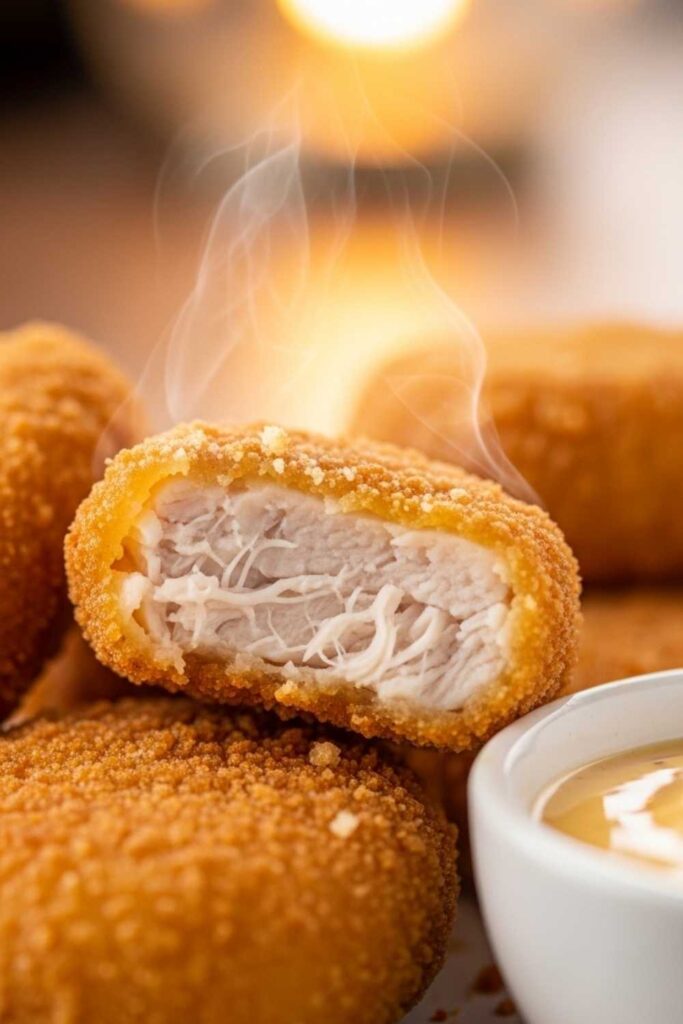
Most people skip preheating because the box doesn’t mention it. That’s a mistake with frozen food specifically.
When you drop cold food into a cold basket, the exterior starts cooking at the same rate as the interior which sounds fine in theory but produces a soft, steamed texture rather than a crispy one. Preheating for 3–4 minutes means the moment food hits the basket, the surface starts crisping immediately while the inside catches up.
The counterintuitive part: this matters more for thinner frozen items fries, onion rings, spring rolls than thick ones. Thick items like frozen chicken breasts have enough thermal mass to self-regulate. Thin items need that instant blast of hot air to set the crust before moisture escapes and turns everything limp.
Set your air fryer to the target cooking temperature and let it run empty for 3–4 minutes. That’s it.
The Light Oil Spray Trick for Frozen Foods That Contain No Oil
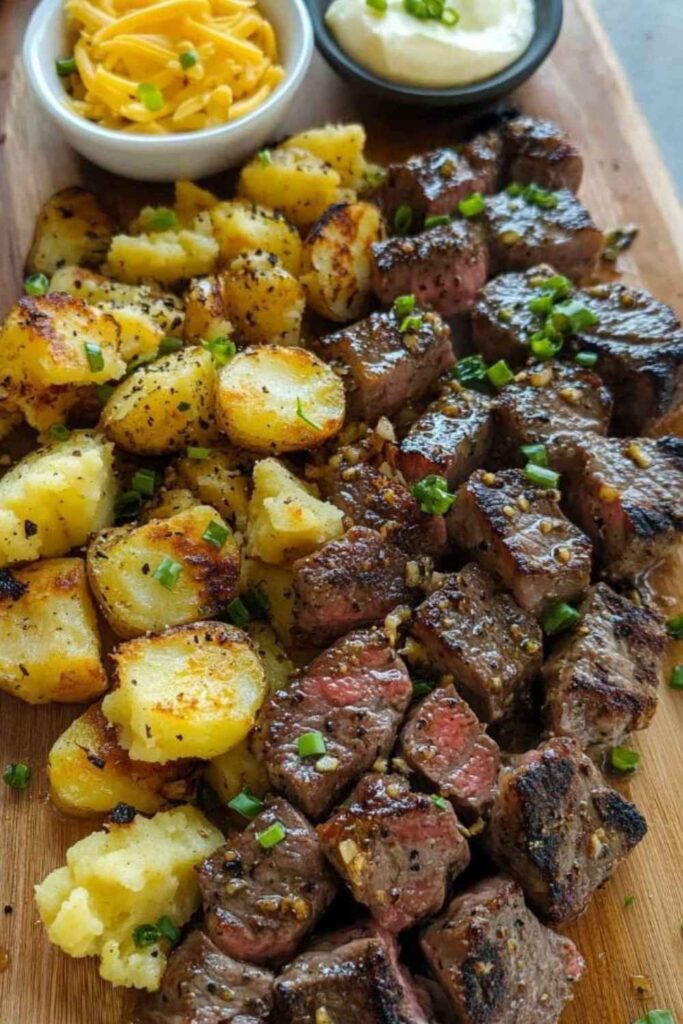
Plenty of frozen vegetables, dumplings, and low-fat options come with almost zero surface fat and fat is what crisps. Without it, you get a dried-out exterior that looks cooked but feels chalky.
A quick spritz of neutral oil avocado, canola before cooking adds just enough surface fat to encourage browning without adding significant calories. This is the exact reason restaurant-style results are hard to replicate at home: commercial frozen food processors apply thin oil coatings during manufacturing that budget or “healthy” versions skip.
One light spray on each side. Don’t drench it, you’re not deep frying. You’re giving the Maillard reaction something to work with.
This hack is especially worth it for frozen edamame, broccoli florets, and gyoza skins that otherwise come out pale and rubbery.
Read More About:49 Easy and Cheap Air Fryer Dinner Recipes That Actually Taste Like Effort
Stop Shaking the Basket for These Specific Foods
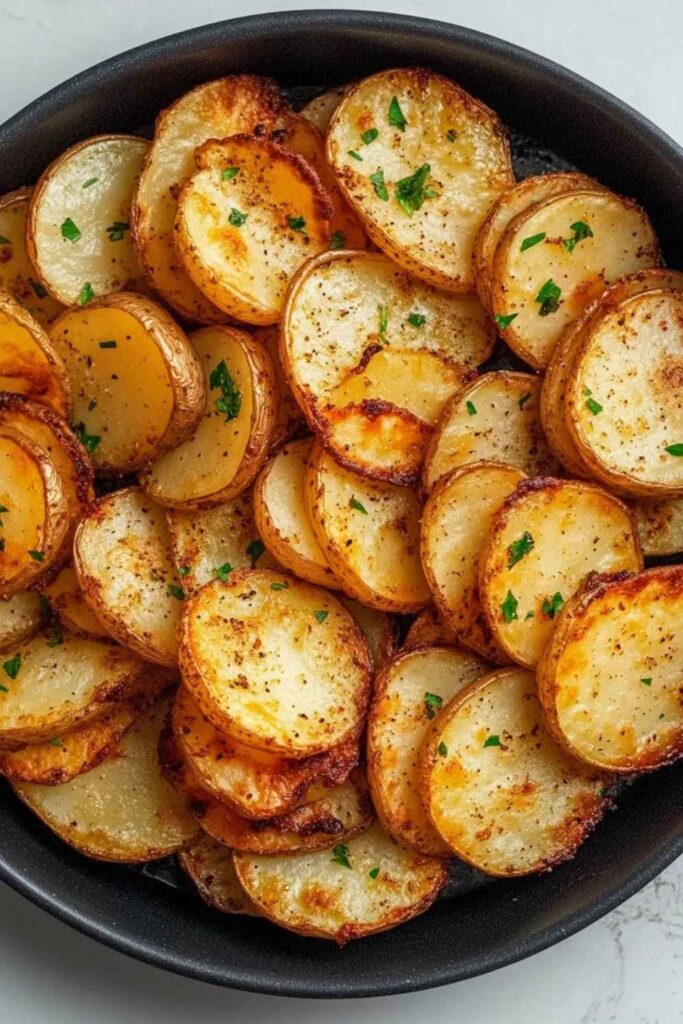
Shaking the basket mid-cook is standard advice and for fries or nuggets, it’s correct. But for a surprising number of frozen items, shaking actively ruins the result.
Frozen egg rolls, spring rolls, and stuffed items develop a structural crust on the side that sits against the basket. When you shake and flip them too early, that crust tears and filling leaks. Dumplings and pierogies are especially sensitive, flip them once, gently, at the halfway mark. Don’t shake.
Same goes for anything breaded with a delicate panko coating. Aggressive shaking knocks the breading off before it has time to bond with the surface.
The rule: shake freely for loose, uniform items: fries, tots, popcorn shrimp. Flip gently and once for anything wrapped, stuffed, or delicately breaded.
Undercook Frozen Pizza by Two Minutes on Purpose
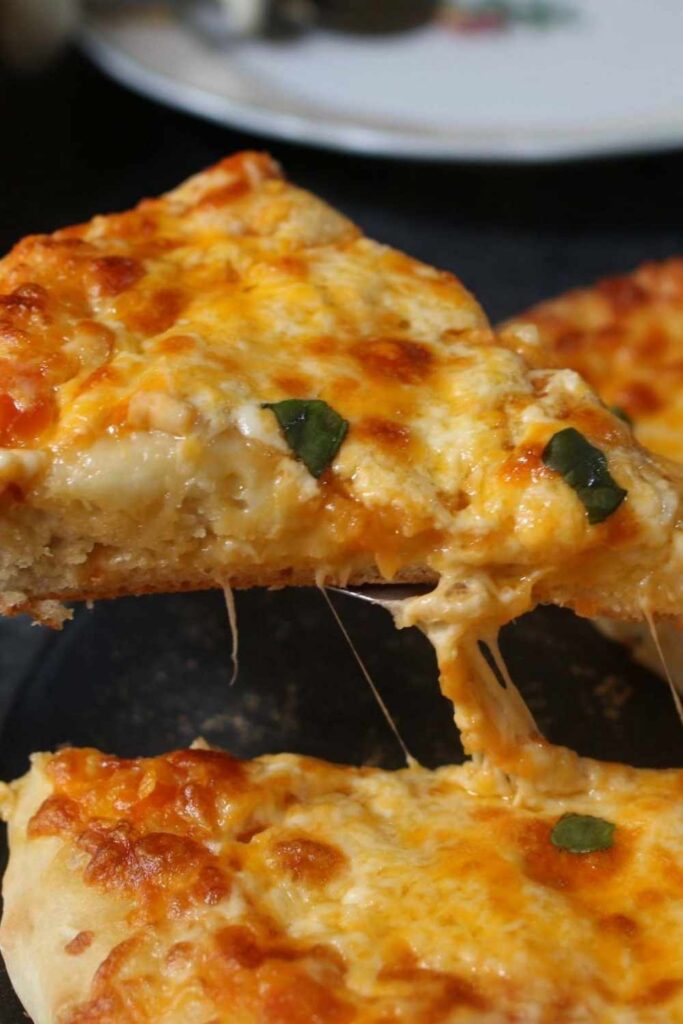
Hear me out. Most air fryer frozen pizza guides tell you to cook until done. But “done” by those instructions usually means overcooked edges and a crust that snaps like a cracker.
Pull the pizza out two minutes early, add any fresh toppings you want, a handful of shredded cheese, fresh basil, red pepper flakes, and return it for the final two minutes. The cheese melts fresh rather than becoming that sad, dried-out film you get when it’s been in the whole time.
Honestly, this single change makes frozen pizza feel significantly more intentional. The base cooks fully, the toppings stay vibrant, and the crust stays just on the right side of crispy rather than crossing into brittle territory.
Use Parchment Liners for Sticky or Saucy Foods Not for Everything
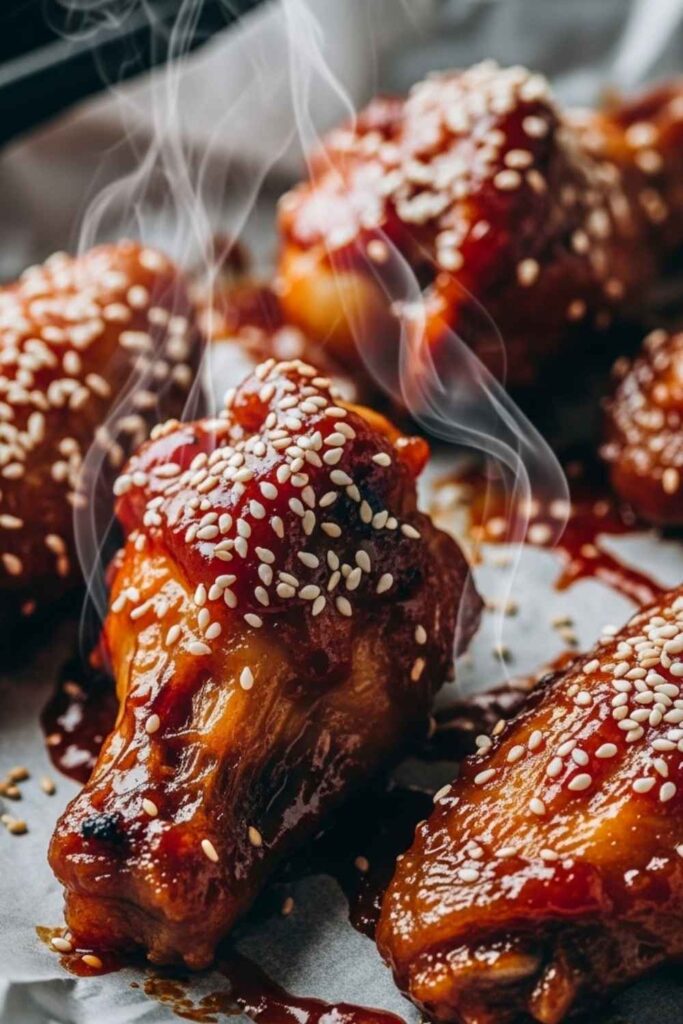
Parchment liners seem like a convenience item, but they’re actually a cooking tool when used correctly and a mistake when used wrong.
For frozen items with sauces, glazes, or cheese, think frozen mozzarella sticks, saucy wings, or anything that bubbles, a perforated parchment liner prevents sticking and makes cleanup fast. Without it, burnt cheese welded to the basket grate is your problem.
But don’t use liners for foods that need maximum airflow fries, onion rings, anything you want genuinely crispy on the bottom. The liner blocks circulation on that side and you get steaming instead of frying. Use the basket bare for those.
The test: if it bubbles, use a liner. If it needs a crunchy bottom, skip it.
Read More About:48 Simple Vegetarian Air Fryer Recipes That Actually Taste Like You Tried
The Two-Stage Temperature Hack for Thick Frozen Items
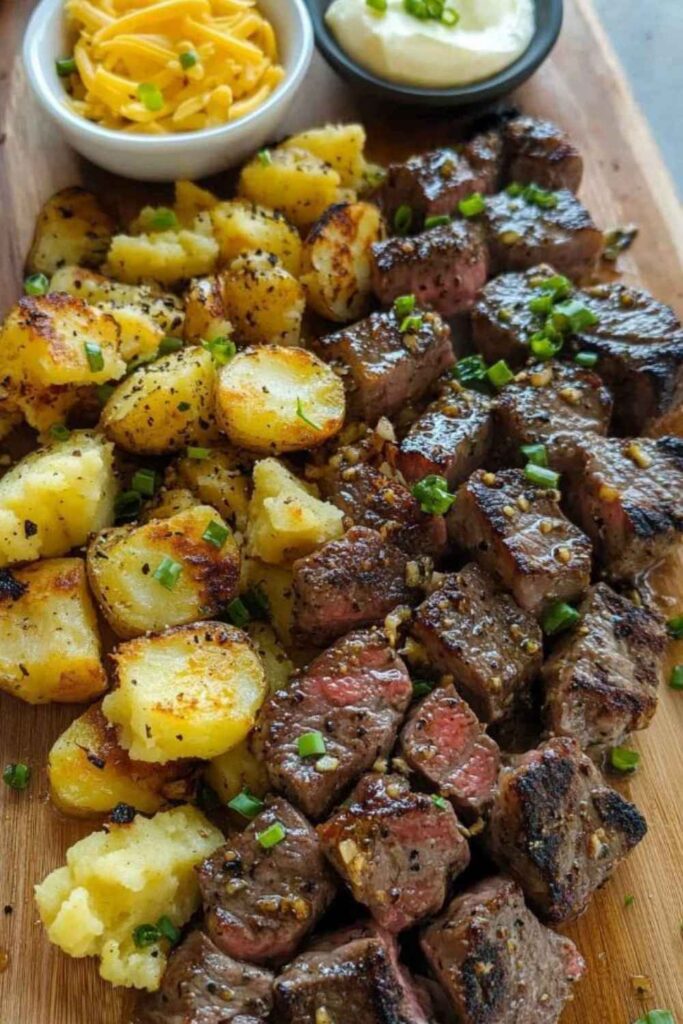
Frozen chicken breasts, stuffed peppers, and thick fish fillets have a problem: the outside is done long before the inside reaches safe temperature. Cooking at one temperature the whole way through either burns the outside or undercooks the center.
Start at 360°F for the first two-thirds of cook time to let heat penetrate slowly, then crank to 400°F for the final few minutes to crisp the exterior. This mimics what a professional convection oven does with a “finishing blast” and produces a result that’s juicy inside without being pale and soft outside.
This two-stage method is especially good for frozen stuffed chicken, frozen salmon portions, and any item thicker than an inch. Your thermometer should still be your final check internal temp of 165°F for poultry, 145°F for fish.
Never Overcrowd Air Fryer Frozen Food Hacks But Here’s the Actual Rule
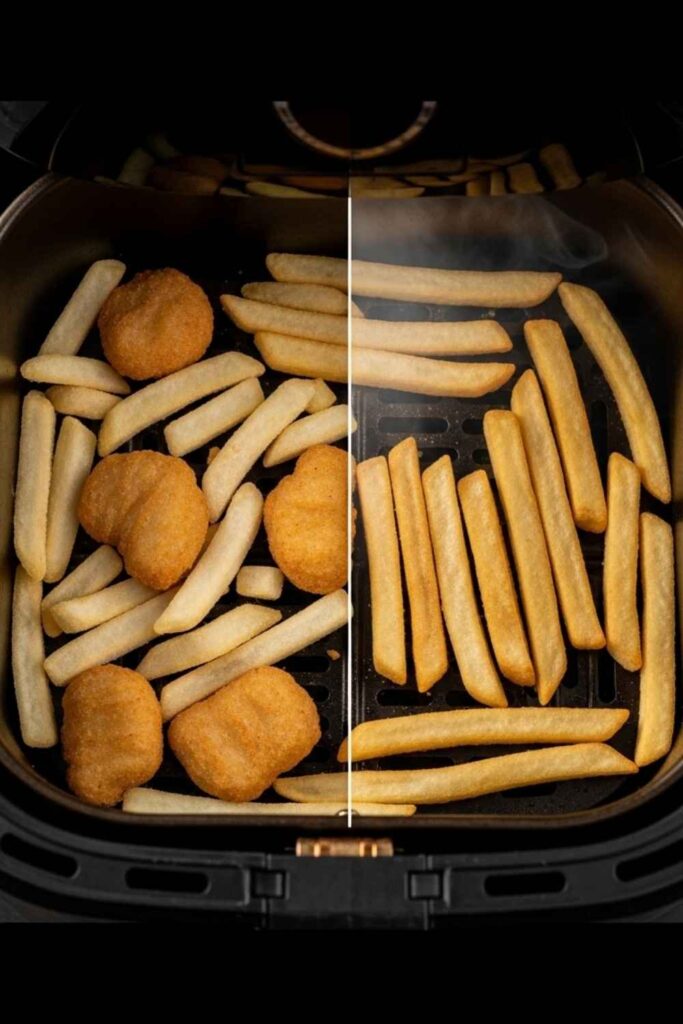
You’ve heard “don’t overcrowd the basket.” Most people interpret this as “leave a little space.” The real rule is more specific:
hot air needs to circulate around every surface, not just between items.
A single layer is the standard. But for small, loose foods like fries or tater tots, a slight overlap is fine as long as you shake every 3–4 minutes to rotate which surfaces are exposed. What kills the result is stacking two frozen burgers sitting directly on top of each other, or a pile of frozen dumplings that never rotate.
When in doubt, cook in two batches. The second batch stays warm fast. A crowded basket takes the same time as a full batch anyway it just doesn’t crisp properly. You’re not saving time. You’re just getting worse food.
Read More About:55 Air Fryer Breakfast Recipes That Actually Make Mornings Worth Getting Up For 2026
Frozen Fries Hack Soak in Cold Water First Yes, Really
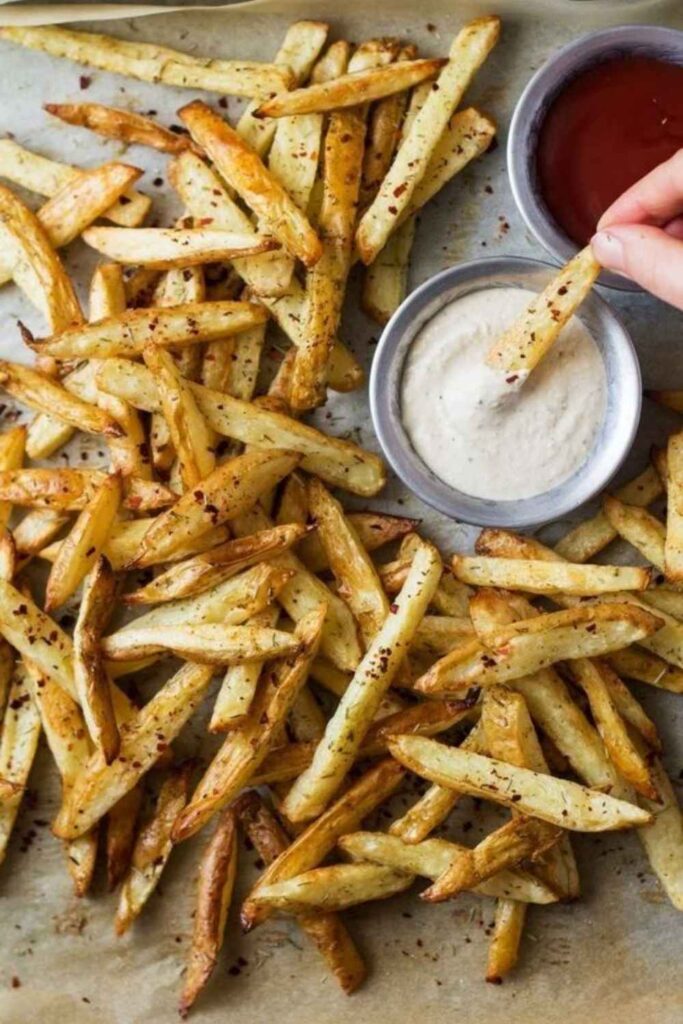
This one surprises people. If you have five extra minutes, pull frozen fries out of the bag, drop them in cold water for 3–4 minutes, then pat completely dry before air frying.
Why it works: frozen fries carry ice crystals on the surface that convert to steam in the air fryer, softening the exterior before it has a chance to crisp. A quick soak removes the ice layer, and thorough drying means the surface dehydrates fast when it hits heat producing that golden, snappy exterior.
You won’t need this for premium frozen fries that are pre-dried and coated. But for store-brand or budget fries that consistently come out soft? This hack closes the gap significantly.
Season After the First Half of Cook Time, Not Before
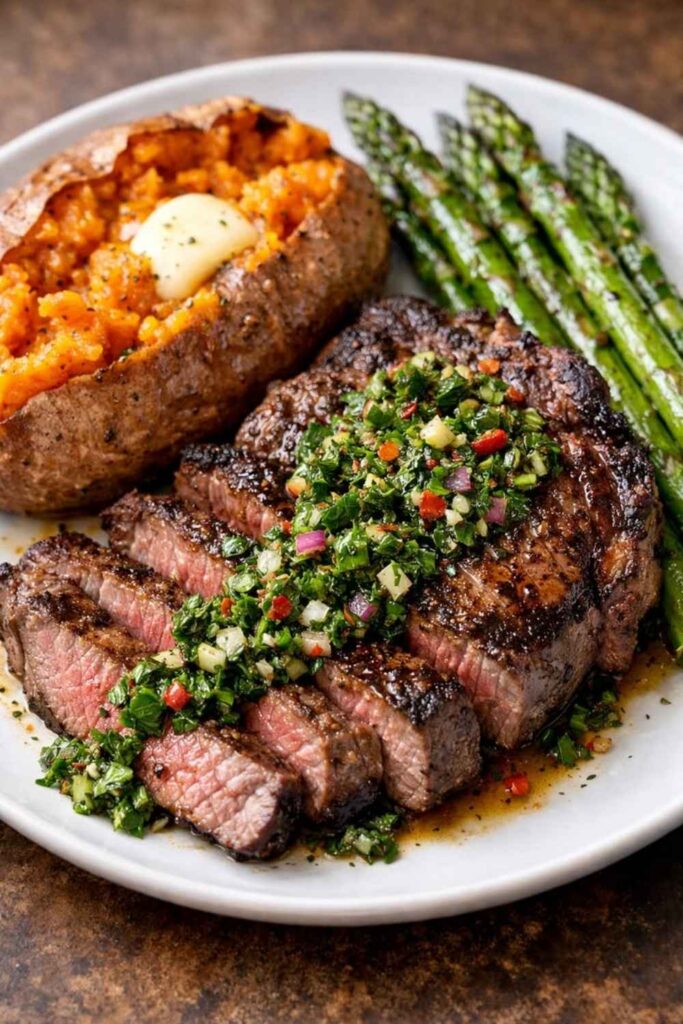
Salting frozen food before it cooks pulls moisture to the surface through osmosis, great for fresh food you want to dry-brine, counterproductive for frozen food you want to crisp fast.
Season at the halfway flip. By that point, the surface has already started to dry out and crisp. The seasoning adheres better, doesn’t draw additional moisture, and you actually taste it more because it sits on the finished surface rather than absorbing into the food.
FYI, this applies specifically to salt-based seasonings. Dry rubs and spice blends that don’t contain significant salt can go on before cooking; they’ll char slightly and deepen in flavor.
Reheat Frozen Leftovers at Lower Temp for Longer
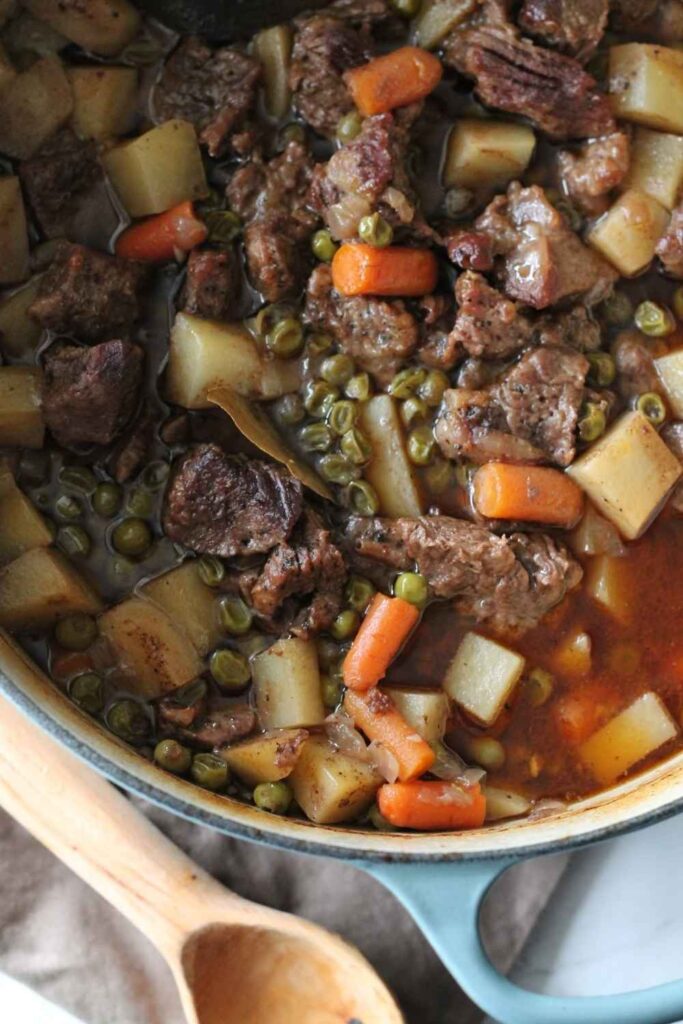
Reheating at high heat is the fastest way to get a crispy exterior and a cold center, the exact problem most people complain about with reheated food.
For frozen leftovers not commercially frozen, but your own meal-prepped or leftover food, drop the temperature to 325–340°F and extend the time. This allows the interior to thaw and heat through before the exterior overcooks. The result is more evenly heated food with a texture that actually resembles the original.
This is particularly important for reheating frozen casseroles, frozen pasta bakes, or dense leftover portions. High heat is for commercial frozen food that’s designed for it. Your homemade leftovers need a gentler approach.
Use the Rack Position If You Have One for Specific Foods
If your air fryer model includes a rack insert, most people only use the basket. The rack which elevates food higher in the chamber changes airflow dynamics in a useful way.
Foods that need maximum top browning frozen garlic bread, open-faced items, cheese-topped anything benefit from the rack position because they sit closer to the heating element. Foods that need even all-around crisping fries, wings, nuggets do better in the basket where they get equal exposure on all sides.
If your air fryer doesn’t have a rack, a small oven-safe wire cooling rack placed in the basket achieves the same effect: it elevates the food and allows hot air underneath, which is especially useful for frozen fish fillets that need a crispy bottom without flipping.
Quick Decision Table Which Hack to Use for What
| Frozen Food | Most Important Hack | Skip This |
| French Fries | Cold water soak + preheat | Parchment liner |
| Chicken Nuggets | Preheat + shake freely | Two-stage temp |
| Frozen Pizza | Pull 2 min early | High-heat finish |
| Dumplings / Gyoza | Oil spray + gentle single flip | Shaking |
| Thick Chicken Breast | Two-stage temp method | Overcrowding |
| Mozzarella Sticks | Parchment liner + no overcrowd | Pre-seasoning |
| Frozen Vegetables | Oil spray + season at halfway | Parchment liner |
| Frozen Fish Fillets | Rack position + 325°F start | High heat solo |
| Tater Tots | Preheat + shake every 4 min | Liner |
| Frozen Leftovers | Low and slow 325°F | High heat blast |
Key Takeaways
Go for the two-stage temperature method if you’re cooking thick frozen protein it’s the single biggest quality upgrade
Skip the parchment liner for anything you want crispy on the bottom it blocks the airflow you need
Best hack for fries specifically: the cold water soak sounds unnecessary, genuinely isn’t
Season at the halfway point for salt-based seasonings; before for spice rubs without significant salt
If your results are consistently uneven, overcrowding is almost always the actual problem not cook time
Low and slow beats high and fast for homemade frozen leftovers, every time
FAQ’s
Can I cook all types of frozen food in the air fryer without thawing?
Yes and for most items, thawing actually works against you. The direct-from-frozen method produces better surface crisping because extreme temperature contrast helps dehydrate the exterior fast. The only exception is very dense items like a frozen whole chicken, which benefit from a partial thaw to ensure safe internal temperature is reached.
Why does my frozen food come out dry even when I follow the time and temperature?
Dry results usually mean two things: either the food was cooked at too high a temperature for too long, or it was a low-fat product that needed a light oil spray before cooking. Most “healthy” frozen foods are formulated with minimal fat without an added surface oil, they’ll dehydrate rather than crisp. One quick spray before cooking fixes this.
Does the brand of air fryer affect results that much?
More than most people admit. Basket-style air fryers with a single heating element at the top run hotter near the element and cooler at the basket bottom which is why flipping and shaking matter. Oven-style air fryers with dual elements produce more even heat and often don’t need as much flipping. If your results are consistently uneven, check whether your model has documented hot spots and adjust position accordingly.
Conclusion
The air fryer is genuinely one of the better tools for frozen food but most people are using it on default settings and wondering why the results aren’t impressive. The hacks in this list aren’t complicated. They’re just specific. Preheat it. Spray the low-fat stuff. Stop shaking the dumplings.
Pick two or three of these that match the frozen foods you cook most often and try them on your next batch. The difference shows up fast.