
24 Healthy Cheap Lunch Ideas for Work That Are Actually Worth Making 2026
You know that moment when you’re standing in the office kitchen, staring into your sad little lunch bag, wondering why you paid $12 for a salad that’s somehow both wilted and disappointing? Yeah. Healthy Cheap Lunch Ideas for WorkIt doesn’t have to be that way. Eating well at work on a tight budget is completely doable; it just requires a slightly smarter approach than “I’ll figure it out in the morning.”
These ideas aren’t filler. They’re the kind of lunches you’ll actually look forward to eating, filling, flavorful, and cheap enough that you won’t feel guilty about that afternoon coffee.
If your mornings are rushed and your budget is real, this one’s squarely for you.
The Big-Batch Grain Bowl
Grain bowls are the single highest-return lunch investment you can make. Cook one pot of farro, brown rice, or barley on Sunday and you’ve got the base for five completely different lunches: no reheating salads, no sad desk sandwiches.
The key move most people skip is don’t pre-dress your grain bowl. Keep your components separate in little containers: grains, roasted veggies, protein, sauce and assemble at work. It takes 45 seconds and keeps everything from going mushy. Grain bowls made this way will hold in the fridge for four days without dying on you.
For protein, canned chickpeas, a hard-boiled egg, or leftover rotisserie chicken all cost almost nothing per serving. Top with whatever sauce you have, thinned with lemon juice, store-brand hot sauce, or a drizzle of olive oil with salt and you’ve got something genuinely satisfying for under $2.50 a bowl.
Mason Jar Salads But Make Them Filling
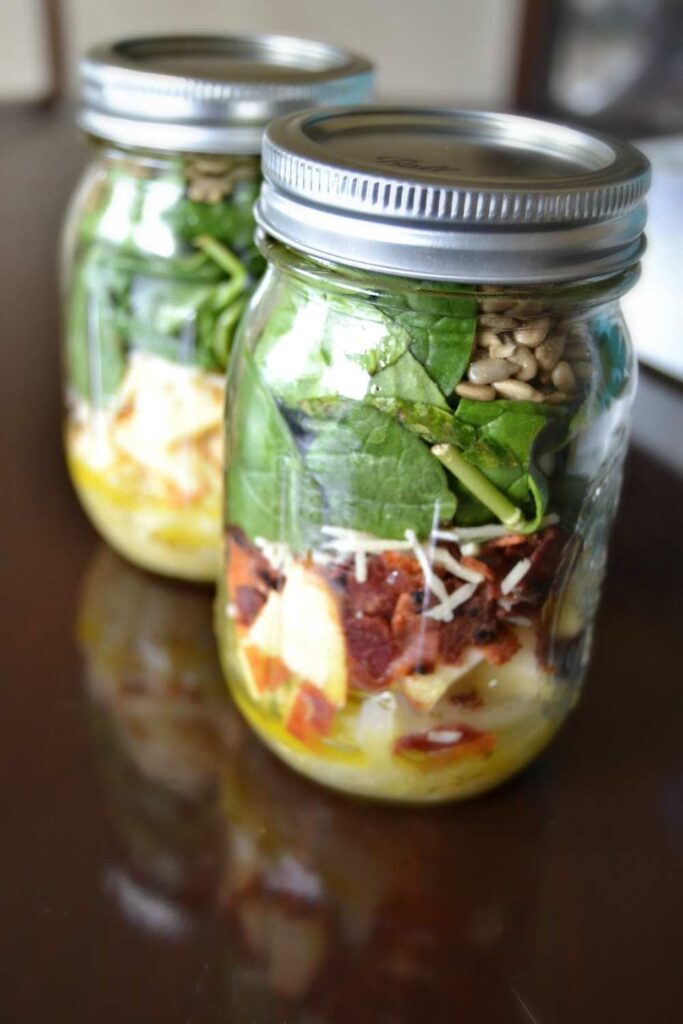
Most mason jar salad tutorials leave you hungry again by 2pm. The reason is always the same: too many leaves, not enough substance.
Fix it by flipping the standard ratio. Your jar should be 50% hearty stuff grains, beans, roasted sweet potato, cooked lentils and only 25–30% greens. Spinach and kale hold up better than romaine if you’re packing a day or two ahead.
Layer smart dressing goes in first at the bottom, then hard veggies, then grains or protein, then greens on top. When you shake it out, the dressing coats everything without drowning the greens. A big jar with lentils, shredded cabbage, cucumber, and a lemon-cumin dressing costs about $1.80 and keeps you full until dinner.
Egg-Based Lunches Are Criminally Underrated

Eggs might be the most cost-effective protein source in any grocery store around $0.15–$0.25 per egg depending on where you live. For lunch, most people only think of egg salad fine, but uninspiring. There’s way more to work with.
A frittata muffin, basically a mini egg bake with whatever veggies you have makes 12 servings in one bake. Tuck in some feta, spinach, and sun-dried tomatoes, and they’re surprisingly good cold. Pair three of them with some hummus and cut cucumbers and that’s a complete, protein-forward lunch for about $1.50.
The counterintuitive thing about eggs is that they keep you fuller longer than most “healthy” lunch options because of the protein-fat combo. A $12 grain bowl from a trendy café may have the same macros as your homemade egg muffins but only one of them cost you $1.50.
Lentil Soup The Budget Champion
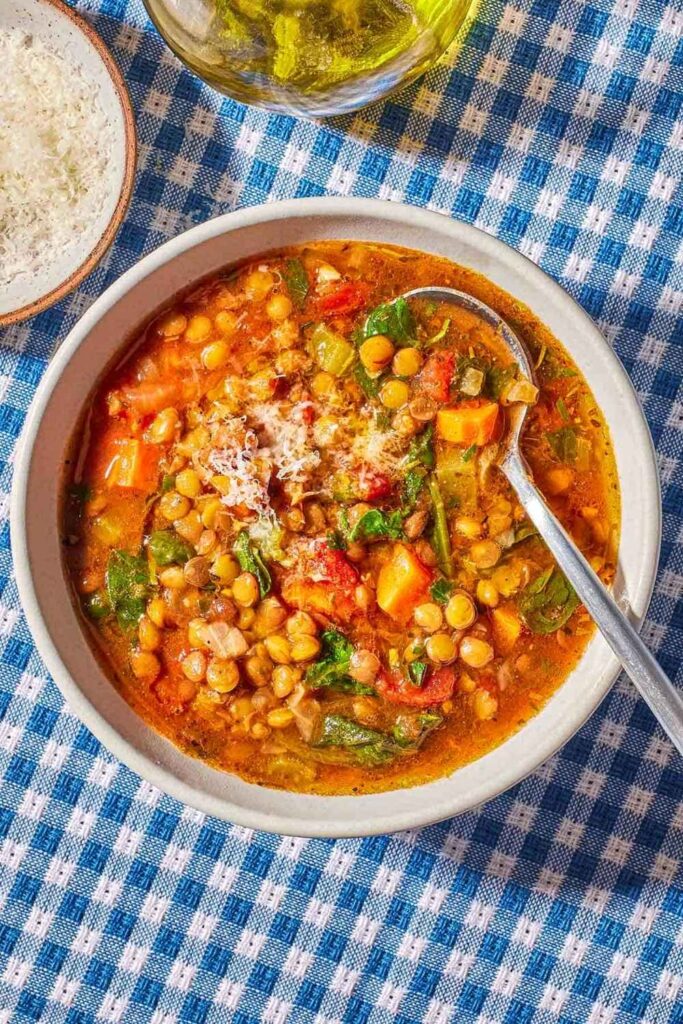
Lentils are arguably the most nutritious cheap food that people don’t eat nearly enough of. A 1-pound bag of green or red lentils costs around $1.50 and makes enough soup for 4–5 lunches. They’re high in protein, high in fiber, and they actually reheat well unlike pasta or rice, which gets weird.
A basic red lentil soup with canned tomatoes, onion, garlic, cumin, and vegetable broth runs about $0.60 a serving. Blend half of it for a creamier texture without adding anything. Pack it in a wide-mouth thermos and it’ll stay warm without a microwave, useful if your office kitchen is a war zone at noon.
What competitors never mention is that lentils absorb flavor better the next day. Make your soup on Sunday and it will taste noticeably better by Tuesday. Patience is the free ingredient.
Cold Noodle Boxes
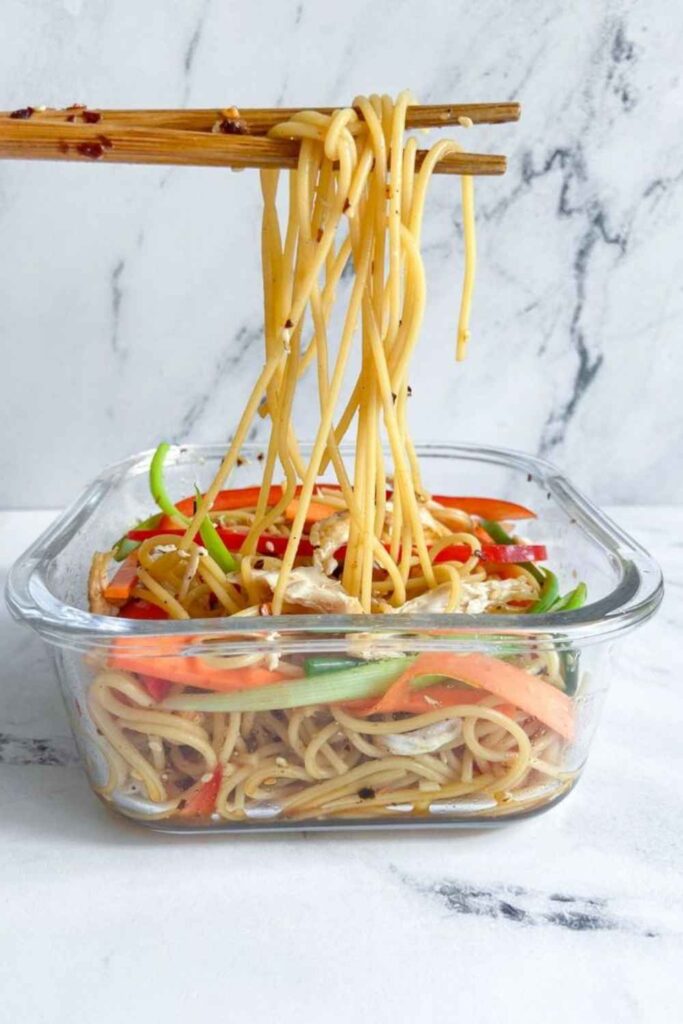
Cold noodle lunches are one of those things that sounds weird until you try them and then you’re making them every week. Soba noodles, rice noodles, or even plain spaghetti tossed in a peanut-sesame sauce hold up beautifully at room temperature, which means no reheating required.
The sauce is the whole game here. A mix of peanut butter, soy sauce, rice vinegar, sesame oil, and a tiny bit of honey comes together in two minutes and costs almost nothing per batch. Toss your cooked noodles in it, add shredded carrots, edamame, and sliced cucumber, and pack it cold.
A mistake worth avoiding don’t using hot noodles for this. Let them cool completely or rinse under cold water before tossing with sauce, or you’ll get a clumped-up mess by the next morning.
The “Clean Out the Fridge” Burrito
Burritos get expensive fast when you’re buying every ingredient separately. But the whole point of a work burrito is that it uses whatever’s already in your fridge from last night’s roasted vegetables, some canned black beans, leftover rice, and a bit of shredded cheese.
Whole wheat or regular large flour tortillas $1.50 for a pack of 10 are your vehicle. The filling is whatever you’ve got. The secret to a burrito that actually holds together until lunch is to warm the tortilla for 15–20 seconds before rolling. A cold tortilla cracks. A warm one rolls cleanly.
Wrap tightly in foil and it’ll hold its shape in your bag without spilling. Total cost for a very solid burrito is often under $1.50, especially when you’re using leftovers. Honest, the store-bought “healthy” wraps you pay $7 for are doing the exact same thing, just worse.
Chickpea Everything

Canned chickpeas are so versatile it’s almost unfair. One can cost around $1 and can go in three or four completely different directions depending on what else you have on hand.
Roasted chickpeas are the underrated move toss a drained can with olive oil, smoked paprika, and garlic powder, roast at 400°F for 25–30 minutes, and you’ve got crunchy little protein bombs that work as a salad topping, a snack, or a grain bowl addition. They lose their crunch overnight, so roast and pack them the morning you plan to eat them if you can.
For a more substantial option, chickpea-and-avocado smash works on toast, in a wrap, or straight from a container. Mash half a can of chickpeas with half an avocado, lemon, salt, and red pepper flakes. It’s filling, legitimately good, and costs about $1.20 per portion.
Thermos Soups That Don’t Need Reheating
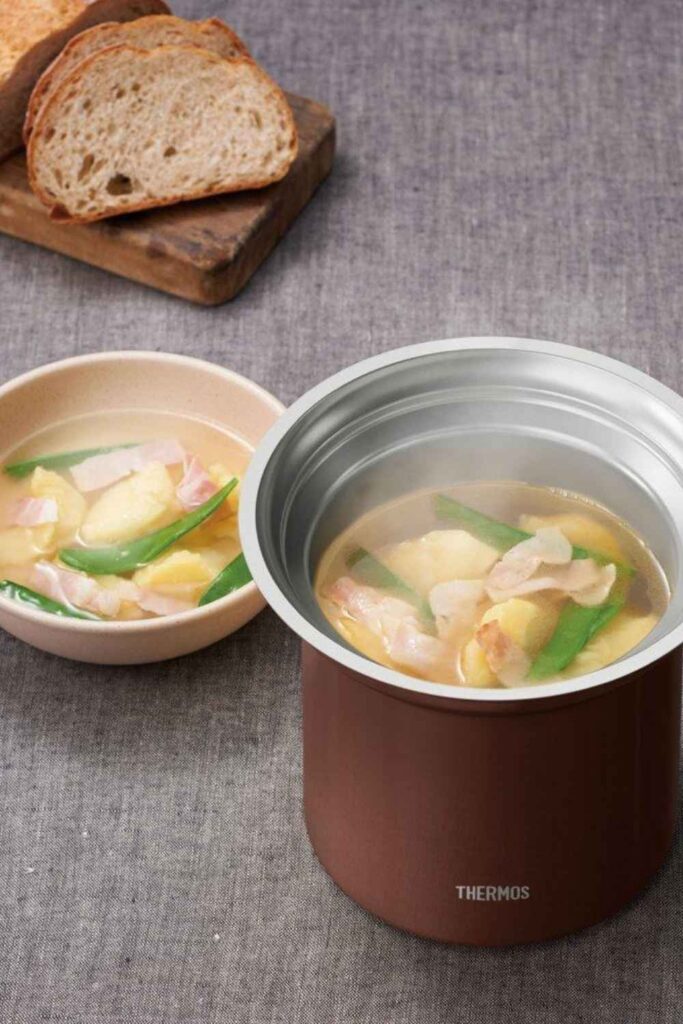
A wide-mouth thermos is one of the most underrated lunch investments at around $20–$30 it pays itself back in a few weeks of skipped café visits. The trick is preheating it. Fill it with boiling water for two minutes before you add your soup, and your lunch will stay genuinely warm for five to six hours.
Tomato white bean soup is a particularly strong thermos candidate. Simmer canned tomatoes, drained white beans, garlic, and Italian seasoning for 15 minutes. It’s thick, filling, and gets better after a day in the fridge. Cost per serving is around $1.
Minestrone, black bean soup, and sweet potato soup all travel similarly well. The one thing that doesn’t work in a thermos is anything with cream, which separates unpleasantly.
Rice and Beans Elevated
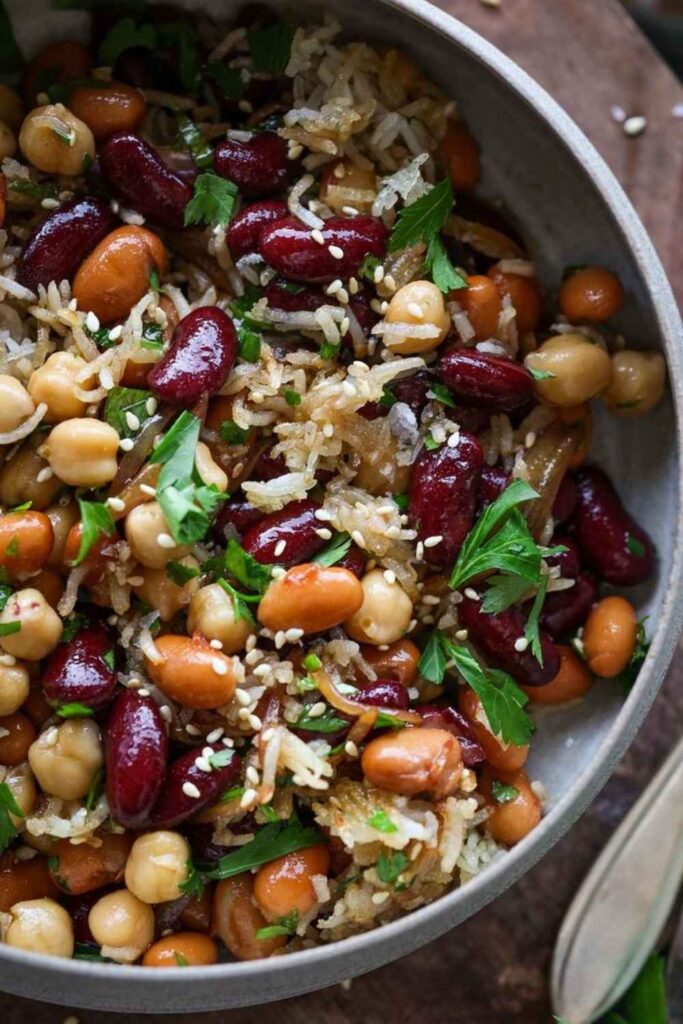
Yes, rice and beans is the classic budget meal. And yes, most versions of it are boring enough to make you reconsider your entire lunch-packing initiative after two days. The issue isn’t the ingredients, it’s the lack of textural contrast and seasoning.
The fix treats it like a component, not a dish. Cumin-spiced black beans over cilantro-lime rice, topped with quick-pickled red onions, sliced onion + vinegar + salt + 10 minutes and a spoonful of salsa transforms the same ingredients into something that actually feels intentional.
Quick-pickled onions are the single cheapest way to make a budget lunch taste more sophisticated. Half a red onion costs less than $0.30, takes 10 minutes of actual effort, and stays good in the fridge for a week. Most food writers skip this kind of micro-upgrade because it seems too simple. It isn’t often the difference between a lunch you eat enthusiastically and one you eat resignedly.
Tuna Without the Sad Factor
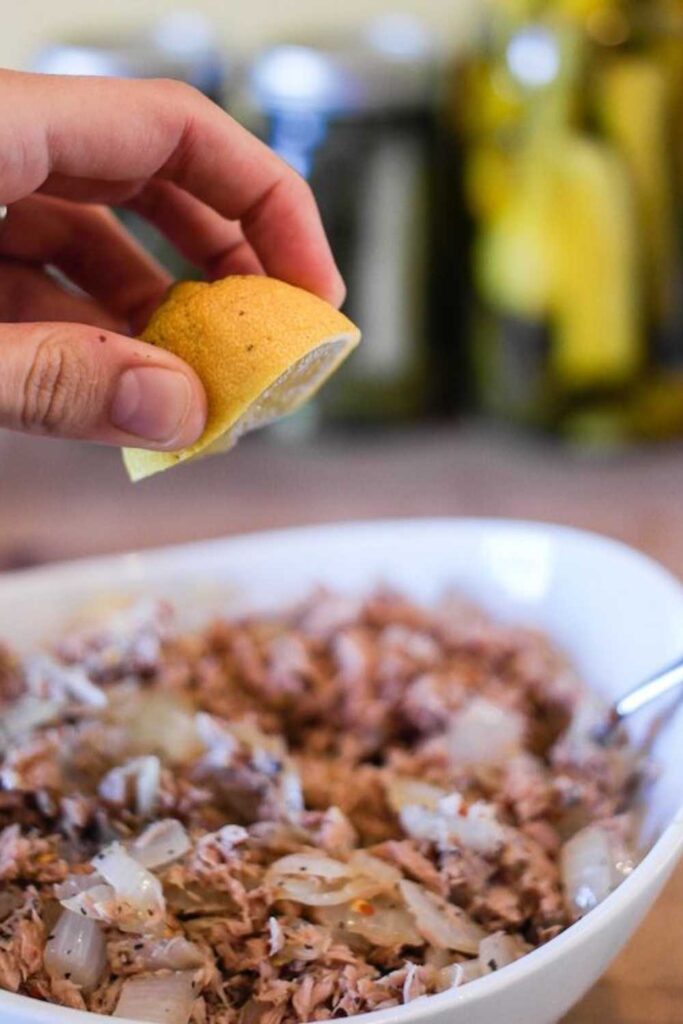
Canned tuna has a reputation problem. The sad, dry tuna-and-mayo sandwich from childhood is what most people picture, and honestly, that vision is accurate if you make it that way.
The better version is Mediterranean tuna salad. Mix a can of tuna packed in olive oil, not water genuinely better with white beans, capers, sliced cherry tomatoes, a squeeze of lemon, and a little Dijon mustard. Skip the mayo entirely. Pack it over arugula or in a whole grain wrap.
Tuna packed in olive oil costs maybe $0.30 more per can than water-packed and makes a noticeably better result. IMO, it’s one of the few budget upgrades actually worth making.
Read More About:10 Lazy Dinner Ideas Quick Meals That Actually Feel Like a Real Meal 2026
Stuffed Sweet Potato
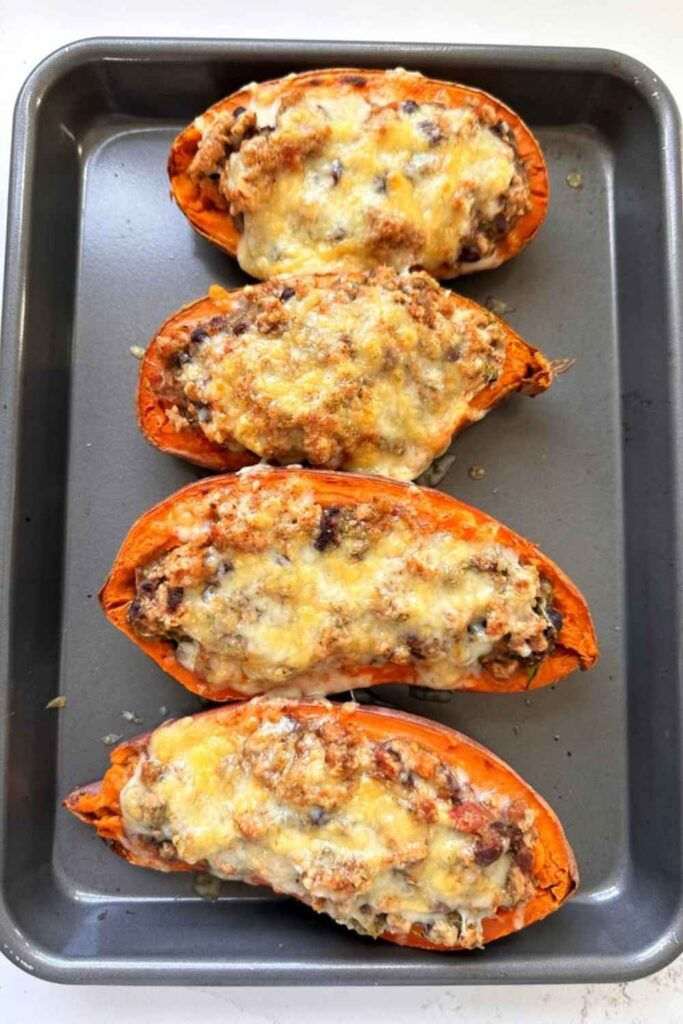
Roasting a sweet potato on Sunday takes 45 minutes in the oven, zero active effort and you’ve got a lunch base that reheats incredibly well and tastes distinctly different from anything else in your rotation.
Load it with black beans, shredded cheddar, and a dollop of Greek yogurt sub for sour cream, same texture, more protein. Or go savory with tahini, roasted chickpeas, and a drizzle of hot sauce. One medium sweet potato with toppings costs about $1.50–$2 and keeps you full for hours because of the fiber content.
The mistake people make is wrapping the sweet potato in foil during roasting. Foil steams if you want direct oven heat for that caramelized skin. Roast naked at 425°F.
Read More About:19 Easy 5-Ingredient Dinner Recipes That Actually Taste Like You Tried
Hummus and Veggie Protein Boxes
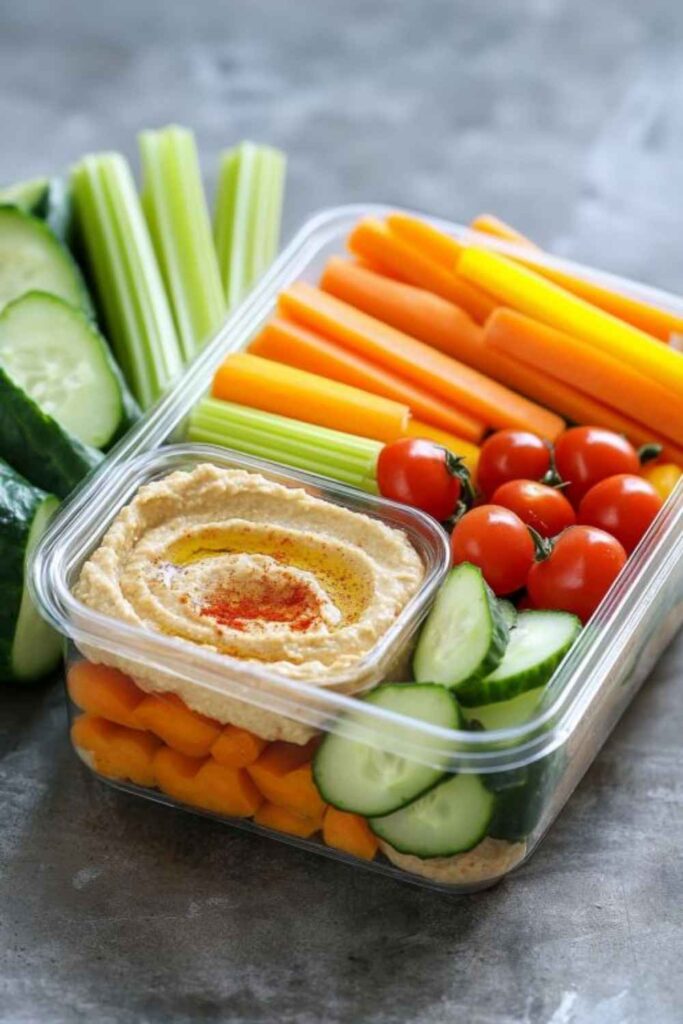
The “protein box” concept from coffee chains is a great idea executed at an embarrassing markup. A small box with hummus, cheese, a hard-boiled egg, and some crackers goes for $7–$9 at most cafés. You can make a better version for under $2.
Build your own with store-bought or homemade hummus, sliced cucumber and bell pepper, a handful of whole grain crackers, two hard-boiled eggs, and a few olives. That’s a genuinely complete lunch protein, fiber, healthy fat in a bento-style container that takes three minutes to assemble.
Make a batch of hard-boiled eggs on Sunday, cover eggs with cold water, bring to a boil, remove from heat, cover for 10 minutes, ice bath. They keep in the fridge for a week and make every protein box build faster.
Read More About:24 Easy 10-Minute Lunch Recipes That Actually Keep You Full 2026
Quesadillas Yes, at Work
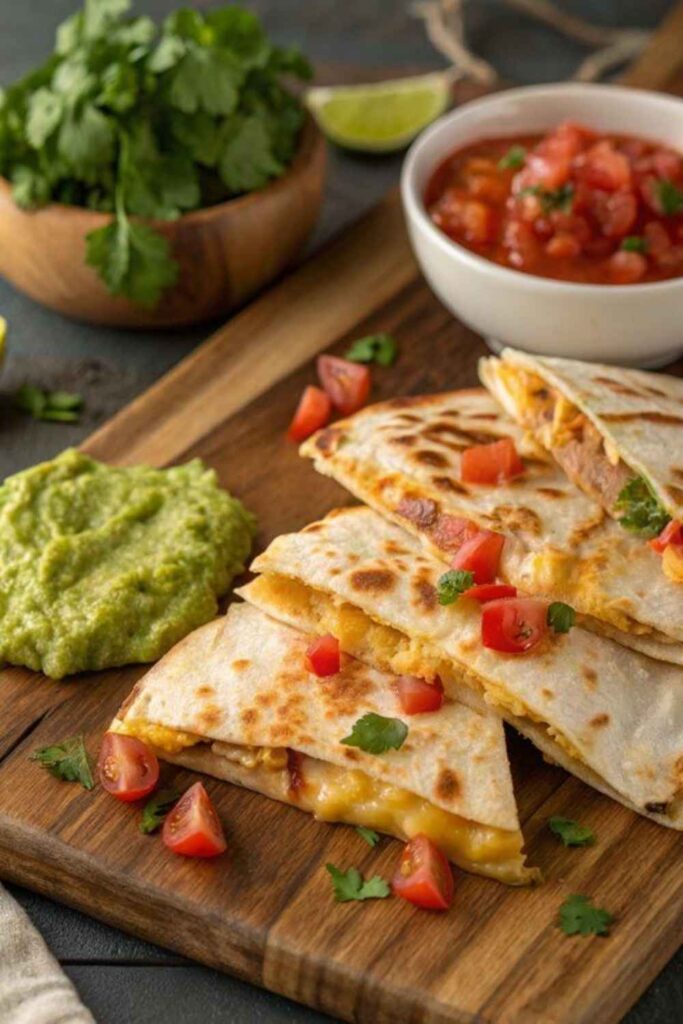
Quesadillas get an unfair reputation as a dinner shortcut rather than a legitimate work lunch. But a well-made quesadilla, sliced and packed cold, holds up surprisingly well and is satisfying in a way that salads often aren’t.
The combination that works best is cold black beans, corn, a little shredded Mexican cheese, and a spoonful of salsa pressed flat into a whole wheat tortilla. Cook until crispy, let cool completely, then slice into wedges before packing. They don’t need to be warm to be good.
Pack a small container of Greek yogurt or salsa for dipping, and you’ve got a lunch that costs about $1.50 and takes 10 minutes to make, including cooking time.
Peanut Butter and More
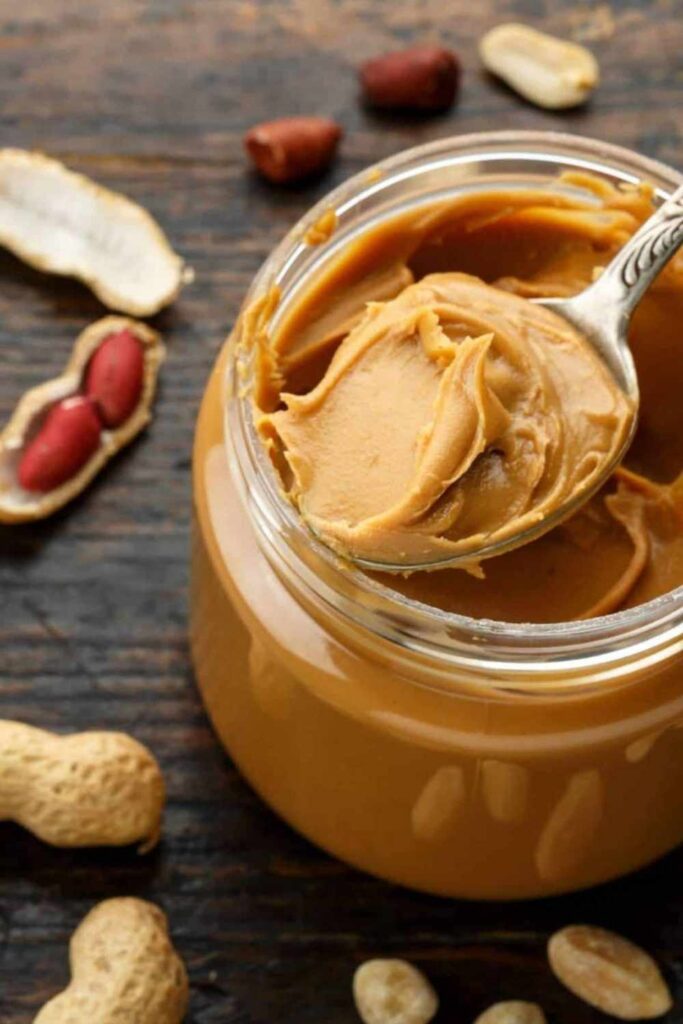
Peanut butter is a $3–$4 jar that delivers protein, healthy fat, and serious staying power and most people relegate it to childhood sandwiches and occasional smoothies. There’s more to do with it.
Peanut noodles covered above, yes. But also peanut butter on whole grain toast with sliced banana and a drizzle of honey packs better than you’d think, a peanut-lime slaw made with shredded cabbage, carrot, cilantro, and a peanut-lime dressing is a complete lunch, and a peanut butter and apple wrap with a little cinnamon is faster to make than anything else on this list.
The common thread pairs peanut butter with something acidic lime, apple, honey-lemon to balance the richness. Plain peanut butter as a spread works at 7am. By noon you want something with contrast.
Overnight Oats as a Savory Lunch

This one will raise eyebrows. Overnight oats are firmly planted in the breakfast category for most people but savory overnight oats are genuinely worth trying if you want a warm, filling, no-cook lunch option that costs almost nothing.
Make them the same way as sweet overnight oats + liquid overnight in the fridge but use broth instead of milk, and top with a fried egg, sautéed spinach, and everything bagel seasoning in the morning. Reheat at work or eat room-temp oats have enough body that they don’t need to be warm.
The reason this works is that oats are one of the most fiber-dense, filling foods per dollar you can buy. A serving costs about $0.20. Even with toppings, you’re under $1.50 for a legitimately satisfying meal. Breakfast-for-lunch, but make it weird enough to be interesting.
Quick Comparison Which Lunch Works for Your Situation?
| Lunch Idea | Cost/Serving | Prep Time | Microwave Needed? | Best For |
| Grain Bowl | ~$2.50 | 15 min batch | Optional | Variety seekers |
| Lentil Soup | ~$0.60 | 25 min | No thermos | Tight budgets |
| Mason Jar Salad | ~$1.80 | 10 min | No | No-heat offices |
| Egg Muffins | ~$1.50 | 25 min batch | No | High-protein needs |
| Chickpea Smash Wrap | ~$1.20 | 5 min | No | Last-minute prep |
| Cold Noodle Box | ~$2.00 | 15 min | No | No-microwave offices |
| Stuffed Sweet Potato | ~$1.75 | 45 min oven | Yes | Weekend meal preppers |
| Quesadilla Wedges | ~$1.50 | 10 min | No | Anti-salad crowd |
| Savory Overnight Oats | ~$1.50 | 5 min night before | Optional | Adventurous eaters |
Key Takeaways
Go for grain bowls or lentil soup
if you want to batch cook once and eat well all week with minimal daily effort
Skip the pre-packaged “healthy” wraps
they cost 4–5× as much and rarely have better ingredients than what you’d make at home
Best no-microwave options
cold noodle boxes, mason jar salads, hummus protein boxes, and quesadilla wedges all hold well at room temperature
Best for high protein on a tight budget
egg muffins and Mediterranean tuna salad are hard to beat calorie-per-dollar
If you have 10 minutes on Sunday night
make hard-boiled eggs, quick-pickled onions, and a grain those three things make every other lunch on this list faster and better
Thermos soup is worth it
if your office microwave situation is chaotic a good thermos pays for itself in about two weeks of not buying café soup
FAQ’
Can I prepare all of these meals on Sunday for the whole week?
Most of them, yes with one caveat. Grain bowls, lentil soup, egg muffins, and overnight oats hold well for 4–5 days refrigerated. Avoid pre-assembling mason jar salads more than 2 days ahead dressing can seep up, and roasted chickpeas should be made fresh since they lose their crunch overnight. A 90-minute Sunday session can realistically cover lunches for the whole week.
How do I keep lunches from getting boring when I’m eating the same base ingredients?
Change the sauce and the seasoning before you change the ingredients. The same roasted chickpeas taste completely different over tahini-dressed farro versus in a peanut-lime slaw. Keep 3–4 different sauces in your fridge, a tahini base, a soy-sesame situation, something acidic like a lemon vinaigrette and rotate those rather than buying entirely new ingredients every week.
Are these actually cheaper than buying lunch out?
Significantly. The average bought lunch in the US runs $10–$15. Most of the lunches on this list cost $1.50–$2.50 per serving. Even the higher-end options here grain bowls, stuffed sweet potatoes come in at a fraction of the cost. Over a 5-day work week, you’re looking at $8–$12 in homemade lunches versus $50–$75 bought out, a difference that adds up to roughly $2,000+ per year.
Conclusion
The through-line across all of these ideas is that being cheap and healthy at work isn’t about restriction, it’s about having a small repertoire of reliable, genuinely satisfying lunches that you rotate through. Once you have two or three of these in regular rotation, the whole thing stops feeling like a chore.
Start with just one this week. Pick the one that sounds the most appealing right now and make a double batch. Save this to your meal prep Pinterest board for whenever the midweek slump hits and inspiration is running low.