31 Weight Loss Meals That Actually Keep You Full (No Rabbit Food Required)
You know that moment when you eat a “diet meal” and you’re somehow hungrier an hour later than before you ate? That’s not a willpower problem. That’s just a bad meal, one that checked the low-calorie box while completely ignoring whether it would keep you satisfied.
If your mornings are rushed and your evenings are tired, the last thing you need is a complicated eating strategy. What works long-term is simple: meals that are filling, fast to make, and genuinely good to eat. Not punishment food. Real food that happens to support your goals.
These 15 weight loss meals are built around satiety, protein leverage, and flavor, the three things that make a meal work in real life, not just on paper.
High-Protein Greek Yogurt Bowl With Berries and Hemp Seeds
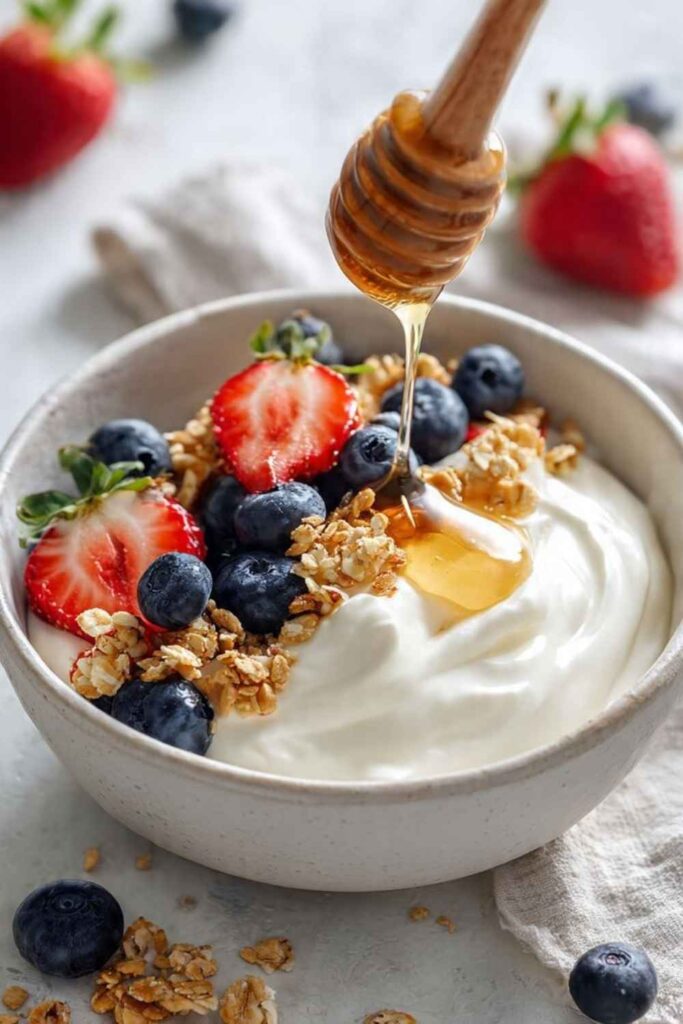
Most people underestimate breakfast as a weight loss lever. Skipping protein in the morning sets off a hunger cycle that hits hard by mid-afternoon and hemp seeds are one of the easiest protein upgrades nobody talks about.
Start with plain full-fat Greek yogurt (around 17–20g protein per cup), add a small handful of blueberries or raspberries for fiber and natural sweetness, and top with two tablespoons of hemp seeds. That’s an extra 6g of protein and satisfying crunch without complicated ingredients.
The fat in full-fat yogurt slows gastric emptying, which means slower hunger return. Low-fat versions spike blood sugar faster and leave you reaching for snacks within 90 minutes. Full-fat is the smarter choice.
Tip: Add a teaspoon of cinnamon. It has a mildly stabilizing effect on blood sugar and makes plain yogurt taste sweetened when it isn’t.
Sheet Pan Chicken Thighs With Roasted Vegetables
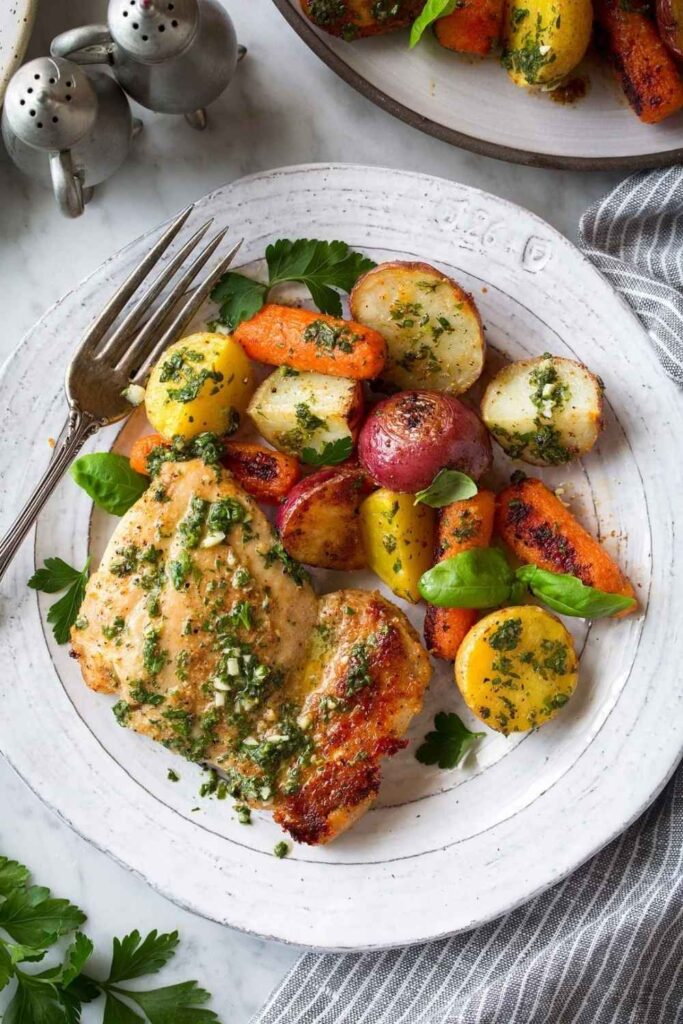
Chicken breast gets all the diet-food glory, but chicken thighs are smarter, pick more flavor, more forgiving to cook, and the slightly higher fat keeps hunger at bay longer.
Toss bone-in thighs with olive oil, smoked paprika, garlic powder, and salt. Surround with broccoli, bell pepper, and zucchini cut into large chunks. Roast at 425°F for 35–40 minutes. One pan, minimal cleanup, and you’ve got three to four servings without standing over a stove.
The volume of roasted vegetables matters. Calorie density is low, fiber is high, and the physical bulk triggers stretch receptors in the stomach, a signal that tells your brain you’ve eaten. This is why a 500-calorie plate of chicken and vegetables feels more satisfying than a 500-calorie protein bar.
Mistake to avoid: Don’t crowd the pan. Vegetables steam instead of roast and end up limp and unappealing.
Read More About:30 Easy Mediterranean Diet Recipes That Are Actually Worth Making in 2026
Lentil and Spinach Soup
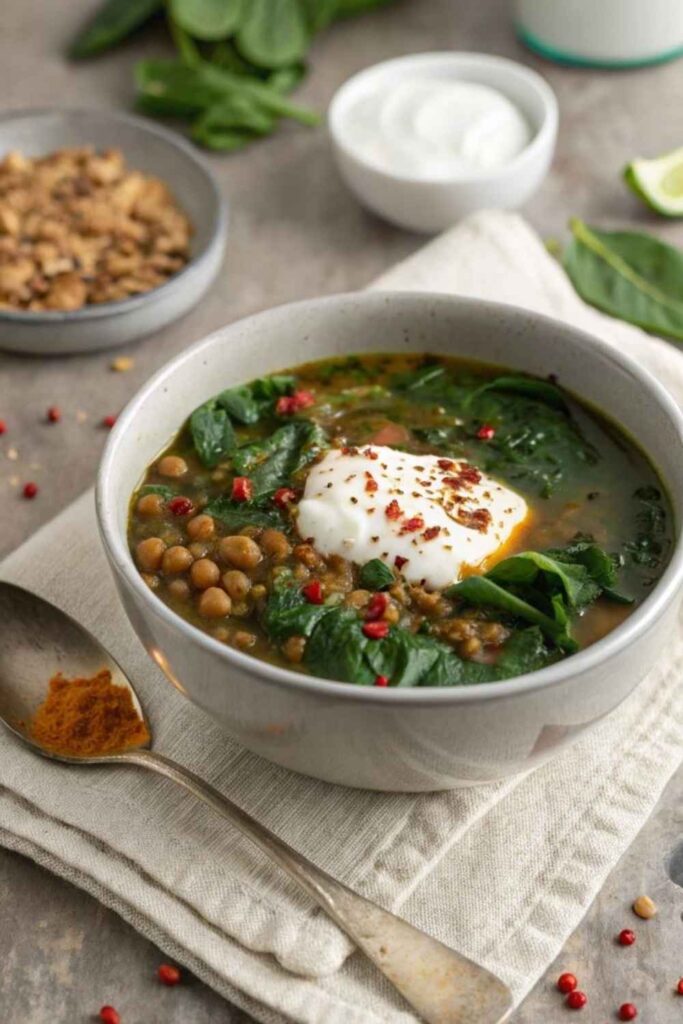
If you want a meal that punches above its calorie weight, lentil soup is the answer. It’s one of the most satiating foods per calorie of almost anything you can eat and it tastes boring only if you season it badly.
Brown lentils, canned diced tomatoes, wilted spinach, cumin, turmeric, and a splash of lemon juice at the end. The lemon is non-negotiable: it brightens the whole bowl and makes it taste like something you’d order at a restaurant, not something you’re eating out of obligation.
One cup of cooked lentils delivers about 18g of protein and 15g of fiber. That combination triggers satiety hormones more effectively than many protein-only sources and keeps blood sugar steady for hours. Make a big batch on Sunday and lunch is covered for four days.
Egg and Avocado Rice Cakes The 5-Minute Meal
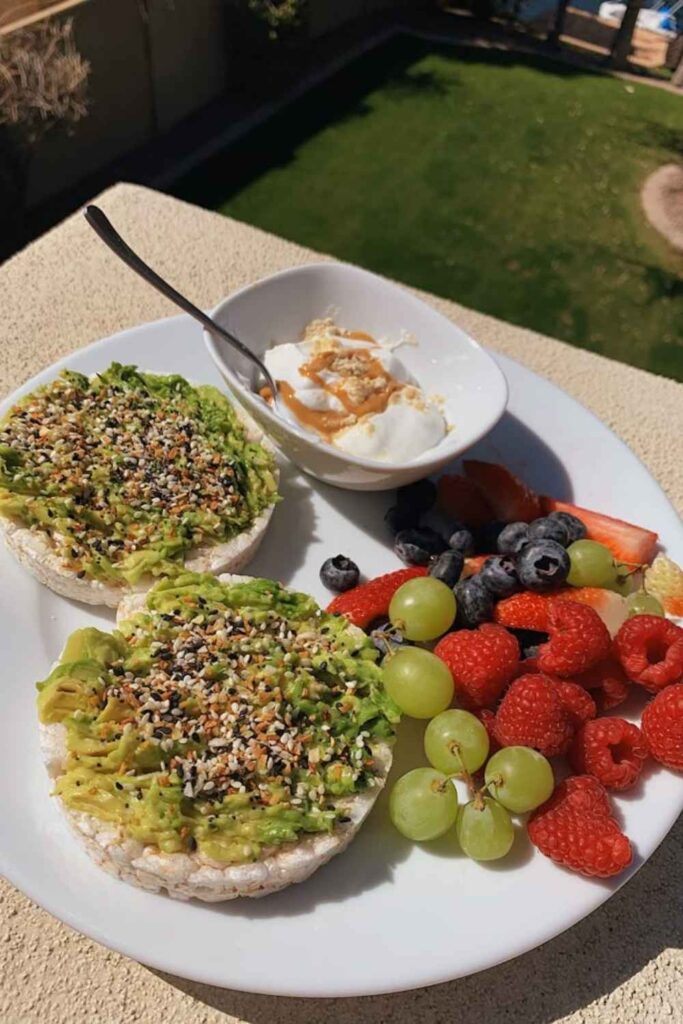
This one is for the days when cooking feels impossible but ordering takeout would derail everything.
Two brown rice cakes, half an avocado mashed with lime and salt, topped with two soft-boiled or poached eggs. Done in five minutes if the eggs are prepped ahead. It sounds too simple to be satisfying, it isn’t. The combination of healthy fat, protein, and complex carbs creates a meal that sustains energy without a crash.
What most articles miss about this type of meal: the ritual of assembling it matters psychologically. Eating something you put together registers differently in the brain. You tend to eat more mindfully and stop when full, rather than eating past fullness absent-mindedly.
Read More About:29 Paleo Diet Meals That Are Actually Worth Making in 2026
Zucchini Noodles With Turkey Bolognese
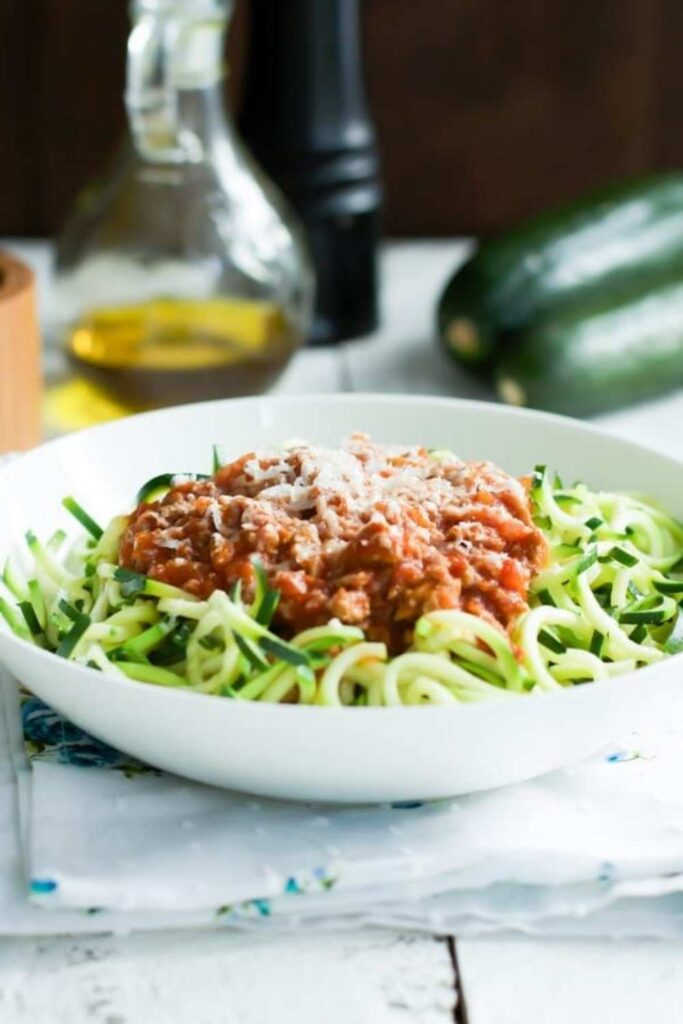
Zucchini noodles get a bad reputation, and usually that’s fair. The mistake is treating them exactly like pasta piling on a watery sauce and expecting satisfaction. Turkey bolognese fixes that completely.
Ground turkey cooked with finely diced onion, garlic, carrot, and celery, simmered in crushed tomatoes for 20 minutes. The vegetables break down into the sauce, creating body and depth. Spoon it generously over spiralized zucchini. The ratio should favor the sauce heavily.
At roughly 350–380 calories per bowl, this delivers 30+ grams of protein and a real sense of having eaten a proper meal. No one finishes this and immediately wonders what else to eat. That’s the test that matters.
Overnight Oats With Chia Seeds and Almond Butter
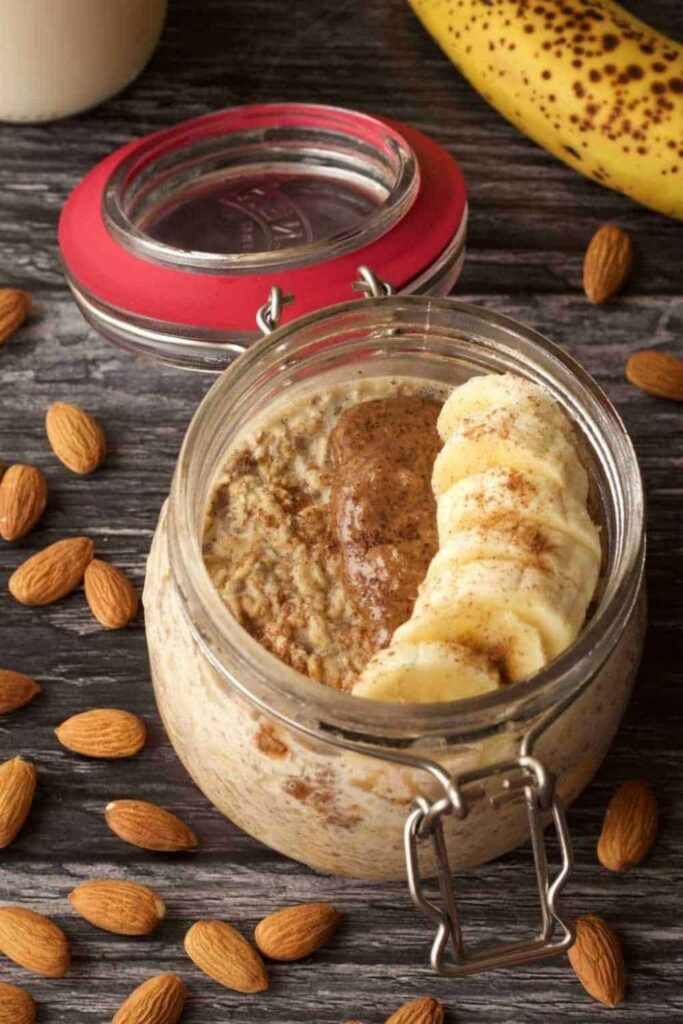
Overnight oats are everywhere, but most recipes turn them into dessert masquerading as breakfast loaded with sweetener and chocolate chips until the calorie count rivals a cookie. This version is built differently.
Half a cup of rolled oats, one cup of unsweetened almond milk, one tablespoon of chia seeds, one tablespoon of almond butter, and a pinch of salt. Refrigerate overnight, top in the morning with sliced banana or a drizzle of honey. The chia seeds absorb liquid and expand into a thick, pudding-like texture that genuinely fills you up.
The almond butter shifts this from a carb-heavy bowl to a balanced macro breakfast. Chia seeds contribute omega-3s and about 5g of fiber per tablespoon. It’s also completely grab-and-go, which makes it one of the most realistic weight loss meals for weekday mornings.
Baked Salmon With Asparagus and Lemon
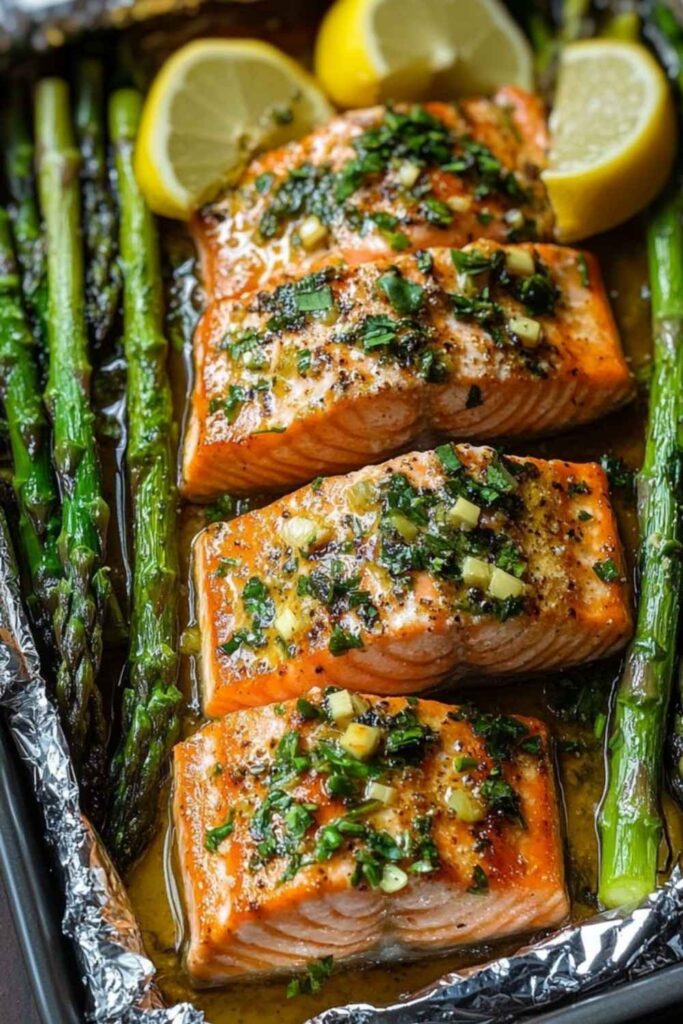
Salmon earns every piece of nutritional praise it gets. It’s also one of the most effortless proteins you can cook for 12 minutes in the oven, and dinner is done.
Season a salmon fillet with olive oil, garlic, salt, and black pepper. Lay asparagus spears around it on the same pan. Squeeze lemon over both. Bake at 400°F for 12–15 minutes. The omega-3 fatty acids in salmon support healthy leptin sensitivity, leptin being the hormone that signals fullness to your brain. When leptin signaling is off, you can eat plenty and still feel unsatisfied. Salmon actively works against that.
Pro move: Sprinkle with a pinch of sumac or za’atar before baking it adds a bright, citrusy depth that makes the dish feel like you actually tried.
Cauliflower Fried Rice With Shrimp
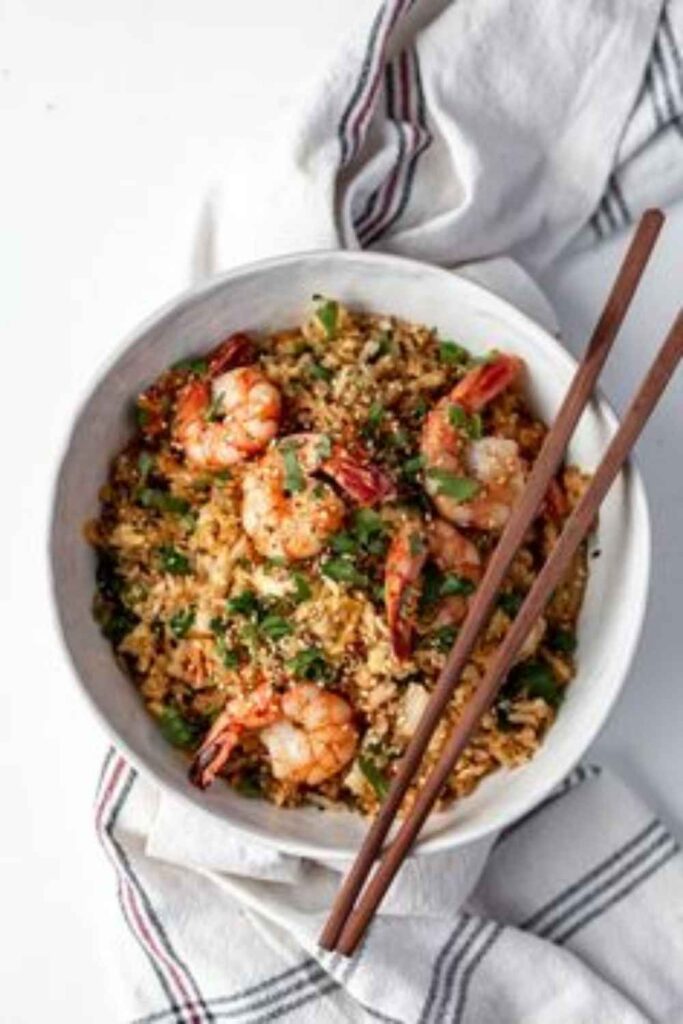
The cauliflower rice trend has been beaten to death, but this version earns its place because the shrimp-to-vegetable ratio is what makes it satisfying instead of a sad side dish.
Cook cauliflower rice in a very hot wok with sesame oil until it starts to color slightly. This is critical. Pale, steamed cauliflower rice is why people hate it. High heat and slight browning give it a savory, nutty flavor. Add frozen shrimp, garlic, ginger, a scrambled egg stirred in, and finish with low-sodium soy sauce and rice vinegar.
Shrimp is one of the leanest proteins available around 20g of protein per 100g at fewer than 100 calories. Combined with cauliflower fiber and egg, this meal sits well in a calorie deficit without feeling like deprivation.
Turkey and Vegetable Stuffed Bell Peppers
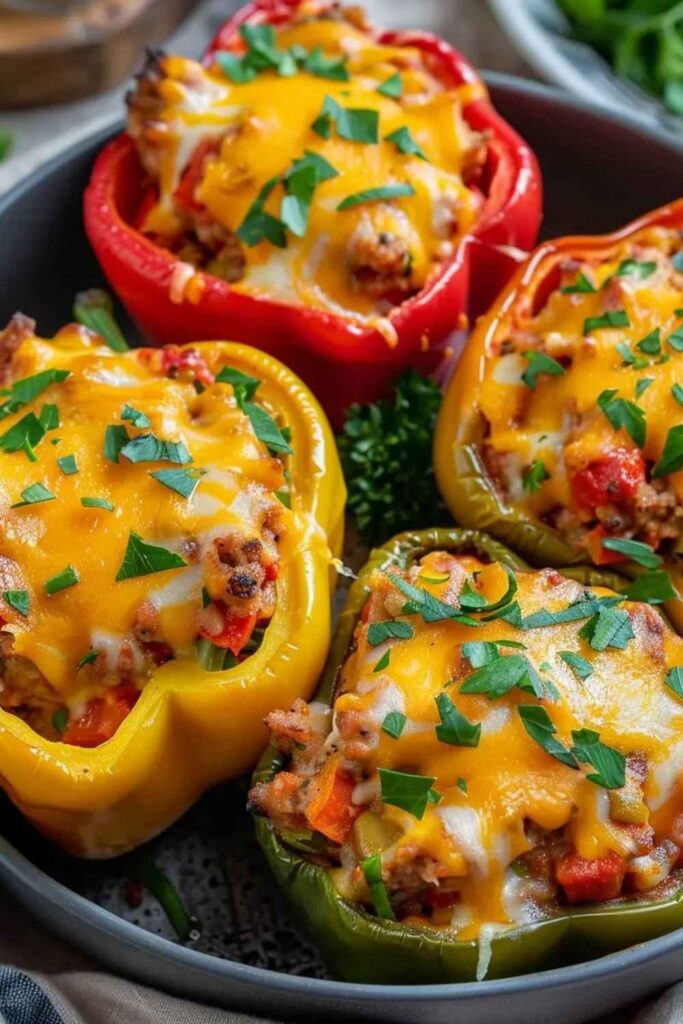
Stuffed peppers look like a project but they’re genuinely one of the easiest meals to batch cook. The visual drama of a stuffed pepper somehow makes a meal feel more substantial than it is which works in your favor when eating less.
Halve bell peppers and fill with a mixture of lean ground turkey, a small amount of cooked brown rice, diced tomatoes, corn, black beans, cumin, and smoked paprika. Top with a small amount of shredded cheese. Bake at 375°F for 25 minutes.
The most underrated thing about this meal is the fiber payoff. Between the bell pepper, black beans, corn, and brown rice, you’re hitting 8–10g of dietary fiber per serving. Fiber directly impacts fullness and slows glucose absorption, reducing the mid-afternoon energy crash that leads to snacking.
Read More About:28 Easy Dairy-Free Recipes That Are Creamy, Satisfying, and Actually Worth Making (2026)
White Bean and Kale Soup
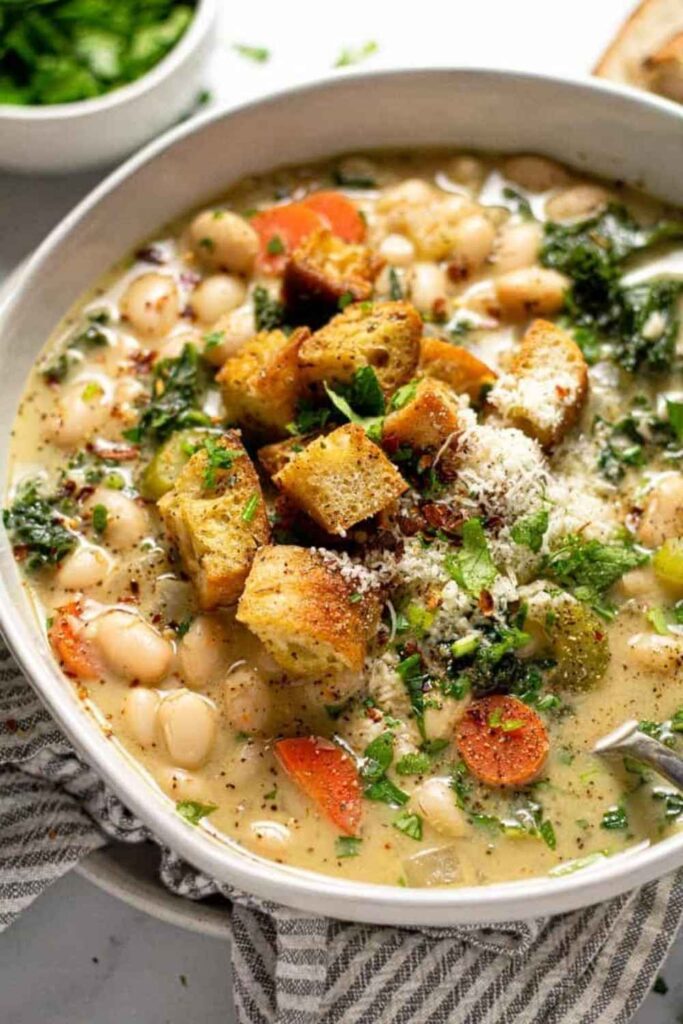
White bean soup has a reputation for being healthy food for people who don’t like food. That’s a seasoning problem, not a recipe problem.
Sauté garlic and onion in olive oil until golden. Add chicken broth, a can of drained white beans, a big handful of torn kale, and a parmesan rind if you have one it gives the broth a savory, meaty depth without much effort. Simmer for 20 minutes. Season aggressively with salt, pepper, and red pepper flakes.
White beans are one of the highest-fiber legumes available. Combined with kale, which has almost no calories but a lot of chewing bulk, this is a very high-volume, low-calorie-density meal. You physically cannot eat a large bowl and still be hungry afterward.
Cottage Cheese Bowl With Cucumber and Everything Bagel Seasoning
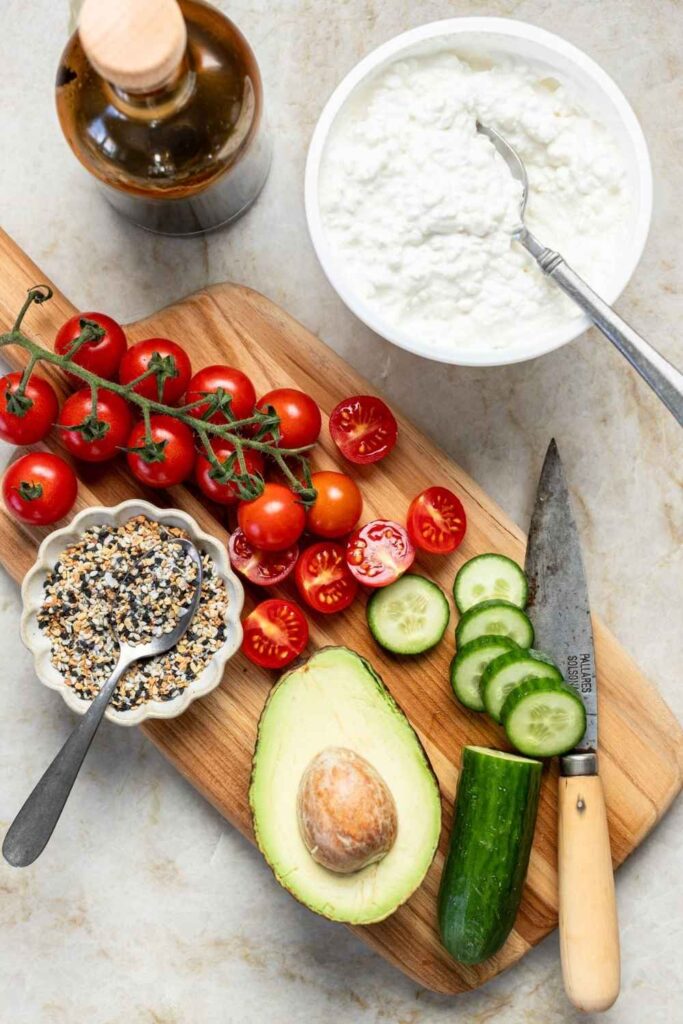
Here’s one most articles skip entirely: cottage cheese as a savory meal base rather than a sweet snack.
Full-fat cottage cheese topped with thinly sliced cucumber, cherry tomatoes, a drizzle of olive oil, and a generous shake of everything bagel seasoning. It looks like a deconstructed dip and tastes like a snack that turned into a real lunch. Add a few whole grain crackers if you want something to crunch.
Cottage cheese delivers one of the highest casein protein concentrations of any dairy product and casein digests slowly, keeping you fuller longer than whey-based foods. At 25g of protein per cup with fewer than 200 calories, it’s hard to find a faster weight loss meal that requires no cooking at all.
Spiced Chickpea and Tomato Stew
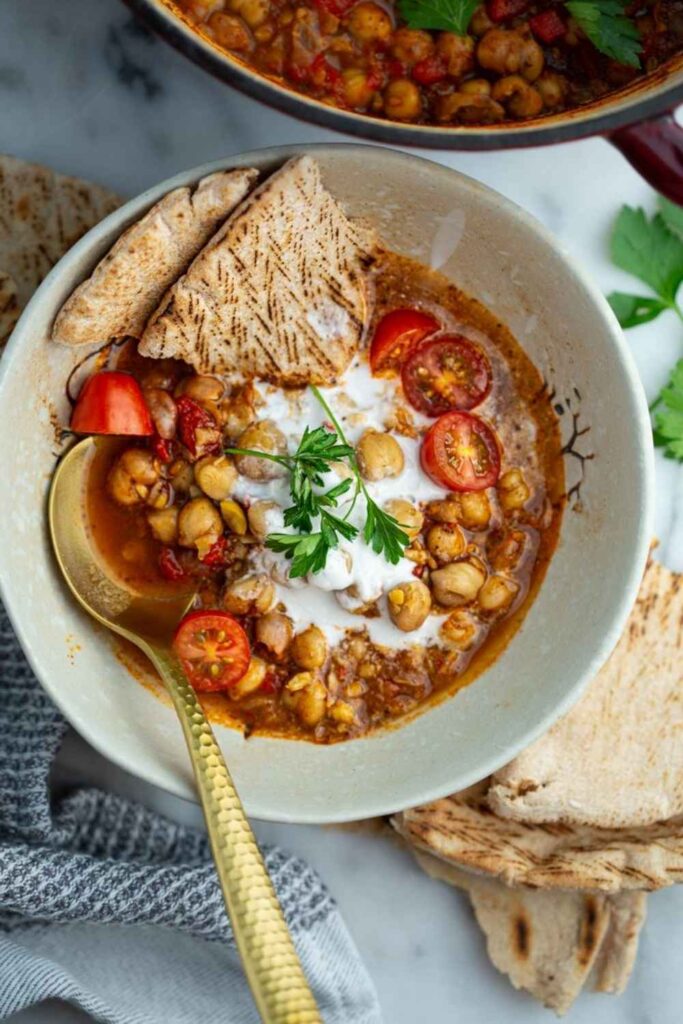
Plant-based weight loss meals often get dismissed as not filling enough. This one shuts that argument down.
Canned chickpeas, crushed tomatoes, onion, garlic, harissa paste (or a teaspoon of cayenne plus cumin and coriander), and a dollop of Greek yogurt on top to serve. The heat from the spices activates a mild thermogenic response and also slows down how fast you eat which matters for fullness signals.
Chickpeas provide resistant starch, which feeds gut bacteria and produces short-chain fatty acids that support a healthy metabolic environment over time. Long-term gut health directly impacts weight management, the kind of benefit most short-form content ignores because it takes weeks, not days, to show up.
Grilled Chicken Caesar Salad Made Right
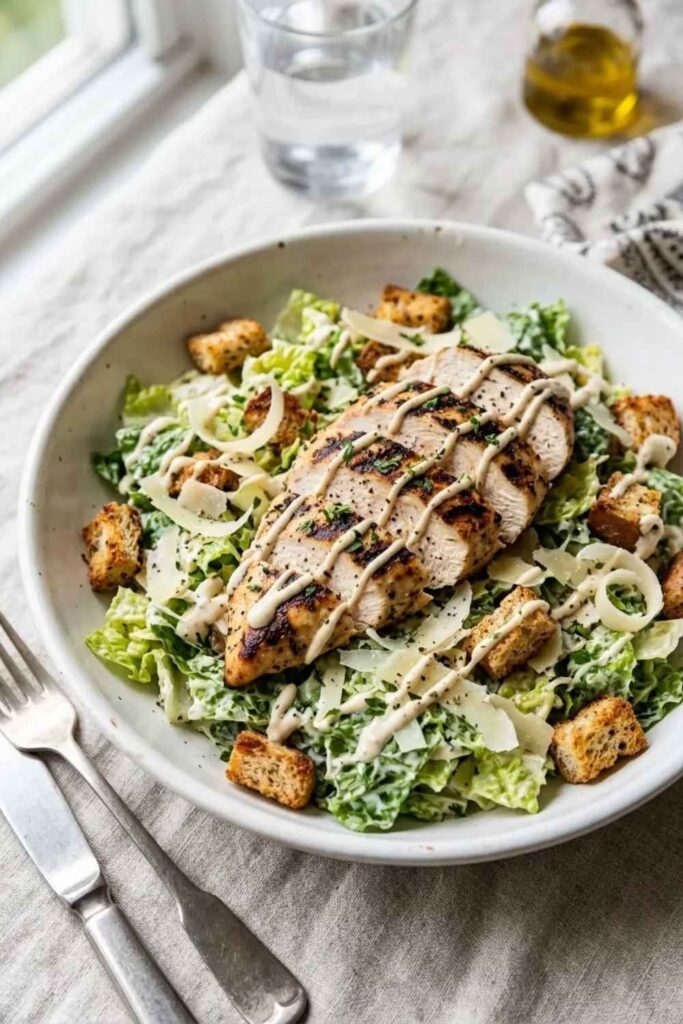
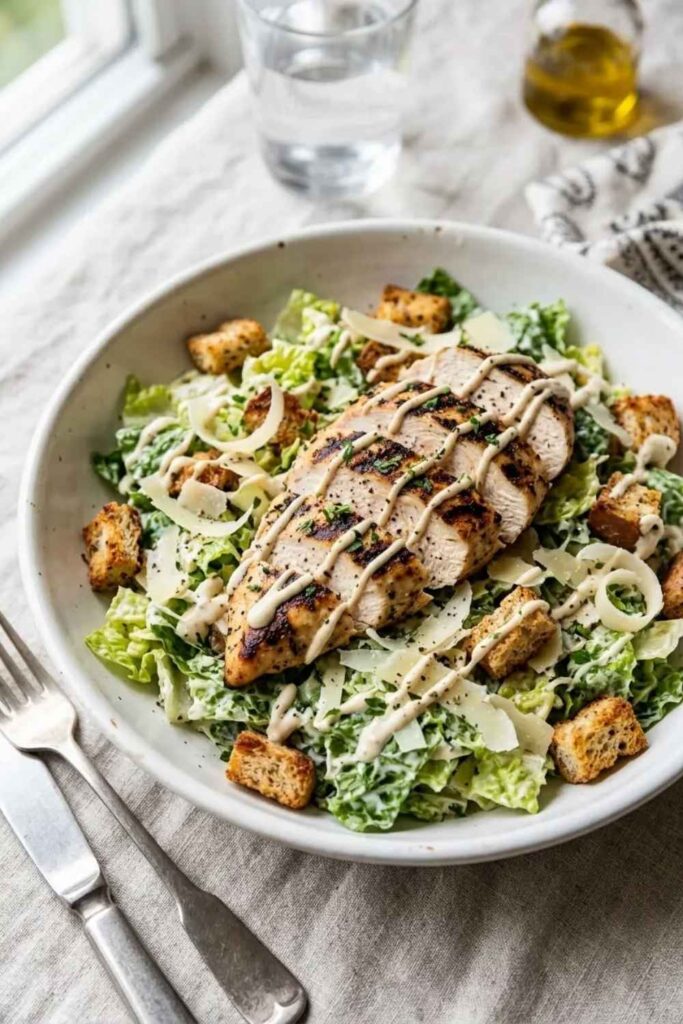
Caesar salad has been on every “healthy” list since the 90s and most versions are misleading heavy dressing, crouton mountains, and more cheese than a small pizza. This isn’t that.
Thin-sliced grilled chicken on romaine, with a dressing made from plain Greek yogurt, lemon, anchovy paste, garlic, and a small amount of parmesan. Skip the croutons and add sliced radish for crunch instead. The anchovy paste sounds aggressive but it just adds umami depth so you won’t taste fish.
A proper serving with two cups of romaine, 4oz of chicken, and a light yogurt-based dressing comes in under 350 calories with 35–40g of protein. That protein-to-calorie ratio is hard to beat.
Edamame and Brown Rice Bowl With Miso Dressing
Grain bowls can go either way nutritionally. This one earns its place because edamame is the protein source, not an afterthought topping.
Half a cup of cooked brown rice, a generous cup of shelled edamame (about 17g protein), shredded purple cabbage, shaved carrots, and a dressing of white miso paste, rice vinegar, sesame oil, and a little warm water to thin it. Top with sesame seeds and sliced scallions. This comes together in ten minutes if the rice is prepped ahead.
Edamame is one of very few plant foods that contains all nine essential amino acids, making it a complete protein. For people reducing meat intake, this matters more than most nutrition content covers.
Baked Eggs in Tomato Sauce Shakshuka-Style

The most underrated thing about this dish is that it feels indulgent. Eggs poached in a spiced tomato sauce, finished with crumbled feta and fresh herbs, served straight from the pan does not feel like diet food, which is exactly what makes it sustainable.
Sauté onion, garlic, and red bell pepper until soft. Add crushed tomatoes, smoked paprika, cumin, and a pinch of cayenne. Make small wells in the sauce and crack eggs directly into them. Cover and cook until whites are just set, yolks still soft. Finish with crumbled feta, fresh parsley, and a side of whole grain toast if you want to add complex carbs.
Research consistently shows that egg-based breakfasts reduce calorie intake at subsequent meals compared to carbohydrate-heavy alternatives. The combination of protein and fat in the yolk is what does the work; splitting them doesn’t give you the same effect.
Quick Comparison Table
| Meal | Best For | Prep Time | Protein | Meal Prep? |
| Greek Yogurt Bowl | Quick breakfast | 3 min | 22–25g | Yes |
| Sheet Pan Chicken | Easy dinner | 40 min | 35g | Yes |
| Lentil Soup | Budget batch cooking | 30 min | 18g | Yes |
| Egg Rice Cakes | Zero-effort option | 5 min | 14g | No |
| Turkey Bolognese Zoodles | Pasta craving nights | 25 min | 32g | Yes |
| Overnight Oats | Grab-and-go breakfast | 5 min + overnight | 12g | Yes |
| Baked Salmon | Easy omega-3 dinner | 15 min | 34g | No |
| Cauliflower Shrimp Rice | Low-carb takeout swap | 20 min | 28g | Yes |
| Stuffed Bell Peppers | Weekend batch meal | 40 min | 30g | Yes |
| White Bean Kale Soup | Winter comfort meal | 25 min | 16g | Yes |
| Cottage Cheese Bowl | Zero-cook lunch | 2 min | 25g | No |
| Chickpea Stew | Plant-based dinner | 25 min | 15g | Yes |
| Grilled Caesar Salad | High-protein light meal | 15 min | 38g | Partial |
| Edamame Rice Bowl | Plant-based protein bowl | 10 min | 19g | Yes |
| Shakshuka | Weekend brunch or dinner | 25 min | 18g | No |
Key Takeaways
Go for lentil soup, white bean soup, or stuffed peppers if fiber is your main satiety strategy they win on volume per calorie.
Best for maximum protein with minimum effort: cottage cheese bowl or Greek yogurt bowl both under 5 minutes with 22–25g protein.
Skip shakshuka and baked salmon if you need something grab-and-go both require active cooking.
Best for reducing late-night cravings: salmon or edamame bowl at dinner both support blood sugar stability into the evening.
If you hate daily meal prepping: lentil soup, turkey bolognese sauce, and stuffed peppers all hold well in the fridge for 4–5 days.
Go for overnight oats or Greek yogurt bowl on any morning where decision fatigue is already high; both require almost zero thought.
FAQs
Do I need to count calories for these meals to work?
Not necessarily. These meals are built around high satiety, which naturally reduces how much you want to eat without logging every gram. If you’re not losing weight after a few weeks, a rough calorie check for a few days can reveal if portions have crept up particularly with calorie-dense foods like almond butter and olive oil. Awareness is enough for most people.
Is it okay to eat the same weight loss meals every day?
Repeating meals is actually one of the most effective practical strategies for weight loss. It reduces decision fatigue. The risk is nutritional monotony over a longer period. Rotating between four to five go-to meals gives you the simplicity of repetition while covering a range of nutrients.
Can these meals work for weight loss without exercise?
Yes, but the margin is narrower. The meals here support a calorie deficit through satiety and protein, which preserves muscle mass even without strength training. Adding even two short resistance sessions per week substantially improves results and makes the deficit easier to sustain.
conclusion
Weight loss doesn’t require eating food that makes you feel like you’re being punished. The meals that work long-term keep you full, take reasonable time to make, and don’t taste like cardboard by Thursday. Protein and fiber are doing most of the heavy lifting here; everything else is just making sure you’ll actually want to eat them again next week.
Pick three or four from this list to start, build them into your week, and let the consistency do the work. Save this to your meal planning Pinterest board so it’s there when you need it.