28 Easy Dairy-Free Recipes That Are Creamy, Satisfying, and Actually Worth Making (2026)
You know that moment when you realize the recipe you’ve been craving for days, that pasta, that soup, that golden baked thing is basically 40% butter and cream? And you’re staring at the screen wondering if the dairy-free version will taste like cardboard dressed up in effort. Dairy-Free Recipes That moment is the whole reason this list exists.
Going dairy-free doesn’t mean accepting watered-down versions of food you love. Fat is fat. Creaminess is a texture, not a dairy exclusive. Once you understand that, the whole game changes and honestly, some of these recipes are better than their original counterparts.
If you’re navigating a lactose intolerance, cutting dairy for skin or gut reasons, or just curious what all the fuss is about, this is your new starting point.
Coconut Milk Pasta with Sun-Dried Tomatoes and Basil
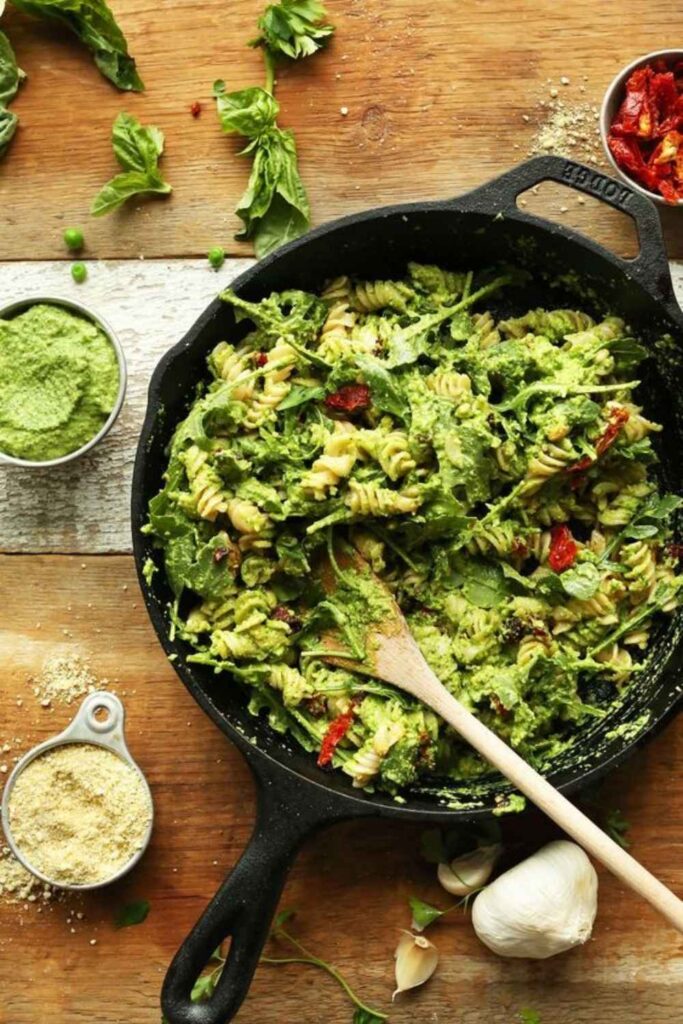
The secret most dairy-free pasta recipes miss: coconut cream doesn’t just replace heavy cream it adds a faint sweetness that plays incredibly well against acidic tomatoes.
Use full-fat coconut milk straight from the can (not the carton that’s too thin). Shake it well, pour it into a hot pan with garlic, sun-dried tomatoes, and a generous handful of fresh basil, and reduce until it coats the back of a spoon. Add your pasta directly to the sauce, not the other way around. That step alone thickens everything naturally.
The fat content in full-fat coconut milk hovers around 17–24%, which is close enough to heavy cream (36%) that the texture holds. You won’t miss anything. Toss in nutritional yeast at the end for a subtle umami depth that mimics parmesan.
Tip most articles skip: Add a teaspoon of white miso paste to the sauce. It adds salt and fermented savoriness in one shot without any detectable miso flavor.
Cashew Cream Soup The Base That Does Everything
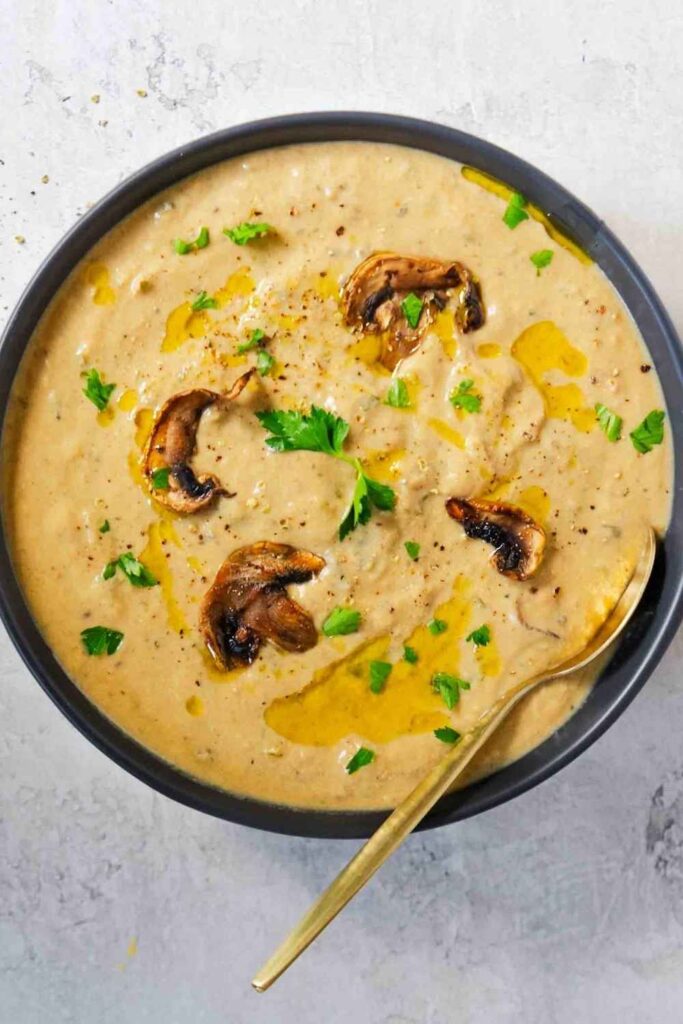
Cashew cream is the most versatile ingredient in dairy-free cooking, and it’s absurdly underused outside of vegan circles.
Soak raw cashews in water for 2–4 hours (or hot water for 30 minutes if you’re in a hurry), then blend until completely smooth. The result is a cream with a neutral flavor, high fat content, and a silky body that holds up to heat without splitting. Use it anywhere you’d use cream in a soup: butternut squash, roasted tomato, potato leek.
The counterintuitive part: blending cashews longer actually makes them smoother, not grainier. Most people stop too early. Run the blender for 2 full minutes. Strain through a fine mesh sieve if your blender isn’t high-powered.
Cashew cream also freezes well, which means you can prep a large batch and use it through the week across multiple dishes. That’s the kind of quiet efficiency that makes dairy-free cooking sustainable rather than stressful.
Read MoreAbout:27 Easy Gluten-Free Recipes That Actually Taste Like Real Food 2026 Guide
Oat Milk Pancakes with Blueberry Compote
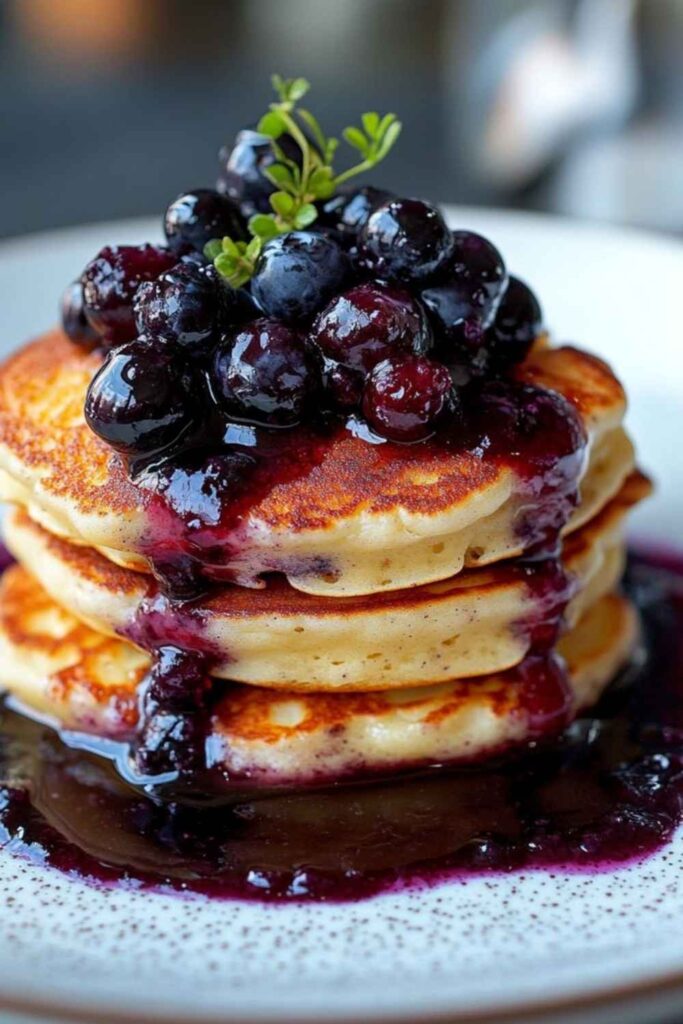
Oat milk is the sleeper hit of dairy-free baking. Its slightly starchy composition means it behaves more like whole milk in batters than almond or rice milk does.
For pancakes specifically: use oat milk, a flax egg (1 tbsp ground flax + 3 tbsp water, rested 5 minutes), neutral oil, and a touch of apple cider vinegar. The vinegar reacts with baking powder to lift the same principle as buttermilk. You’re engineering the chemistry, not just swapping ingredients.
These come out fluffy. Not “fluffy for dairy-free” actually fluffy.
The blueberry compote takes four minutes: frozen blueberries, a splash of orange juice, and a pinch of cinnamon in a small saucepan over medium heat. Mash half of them as they cook. That combination of whole and broken berries gives the compote body without needing any thickener.
Thai Green Curry Dairy-Free Recipes with Jasmine Rice
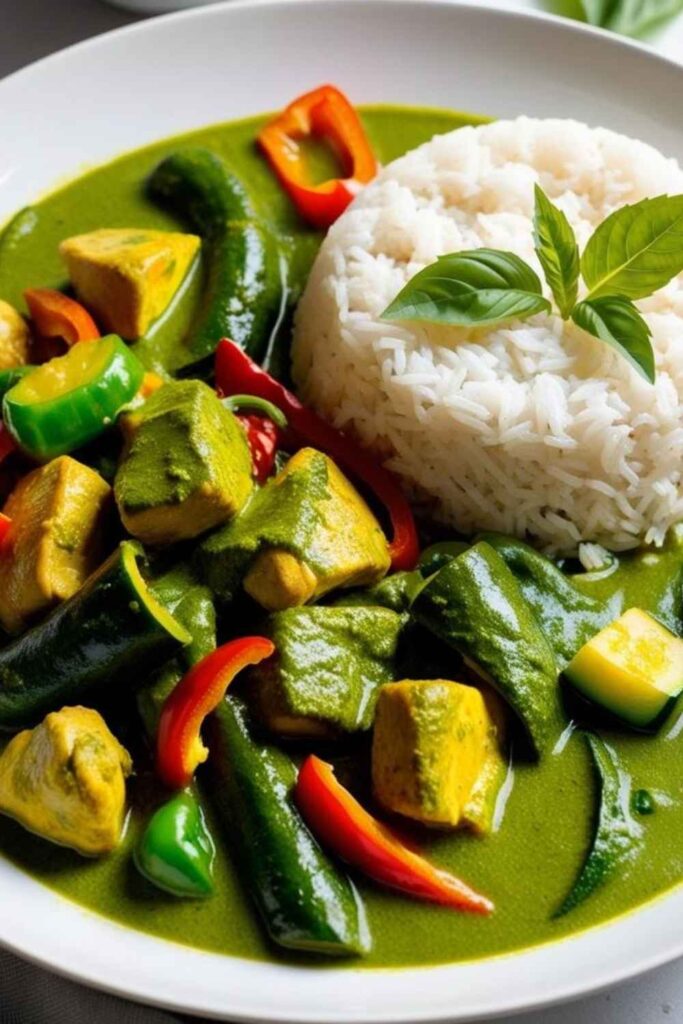
Honestly, Thai green curry was always dairy-free; it just doesn’t always get marketed that way.
The base is coconut milk, and the payoff is a rich, complex broth that you cannot achieve with cream. It’s genuinely better without dairy. Use a good-quality green curry paste, full-fat coconut milk, fresh lemongrass if you can find it, and vegetables that hold their texture like zucchini, baby bok choy, snap peas, bell pepper.
The mistake almost everyone makes: adding the coconut milk too early. Fry the curry paste in a dry pan for 60 to 90 seconds first. You want to bloom those aromatics in heat before anything liquid touches them. The difference in flavor depth is significant.
Fish sauce is traditionally dairy-free (obviously) but if you’re going fully vegan, a splash of soy sauce or tamari does the same salty-savory job.
Read More About:26 easy Vegetarian Meals That Are Actually Filling (No Sad Salads Required)
Vegan Mac and “Cheese” The Version That Actually Works
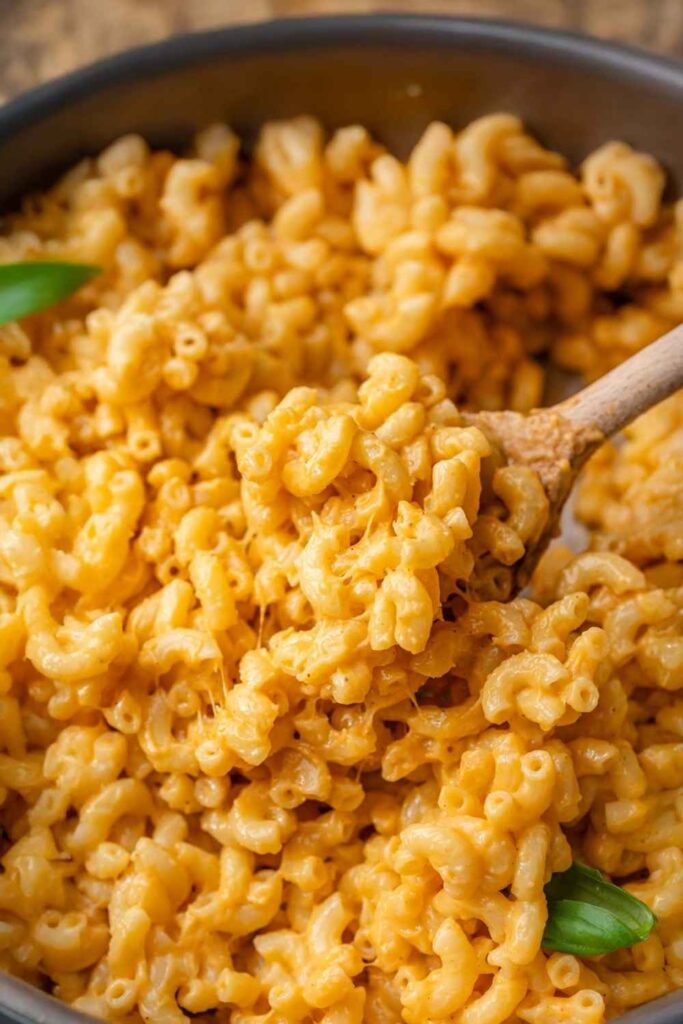
This one has a reputation problem. Most recipes either taste like blended vegetables or require 14 specialty ingredients. Here’s the version that lands.
The sauce: 1 cup soaked cashews, ½ cup oat milk, 3 tbsp nutritional yeast, 1 tsp smoked paprika, 1 tsp garlic powder, ½ tsp onion powder, 1 tbsp lemon juice, salt. Blend until completely smooth. Toss with your pasta over low heat.
What makes this work is the smoked paprika. It adds warmth and a faint smokiness that your brain associates with aged cheese. The lemon juice adds sharpness. Nutritional yeast brings umami. Together, they hit the right psychological notes even if no actual cheese is present.
For extra creaminess, reserve ½ cup of pasta water and add it to the sauce as you toss. The starch thickens and emulsifies everything.
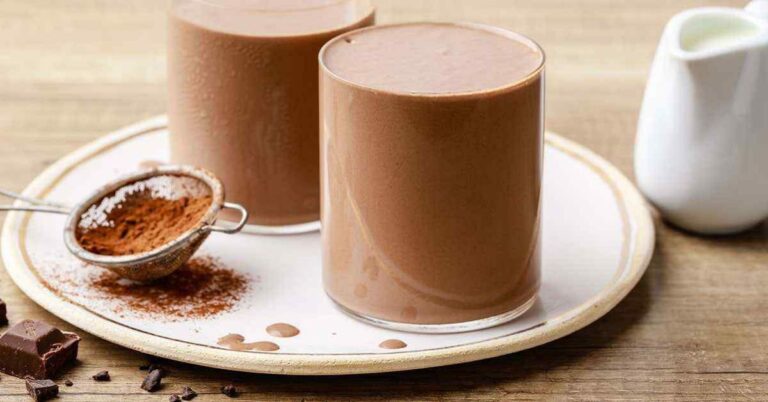
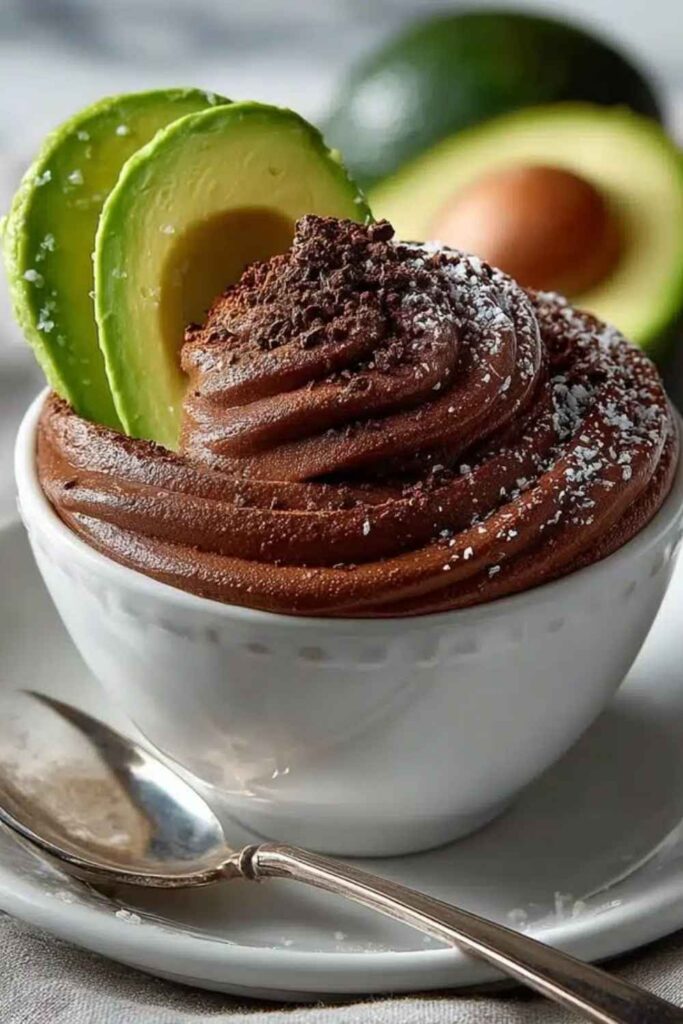
Chocolate Avocado Mousse
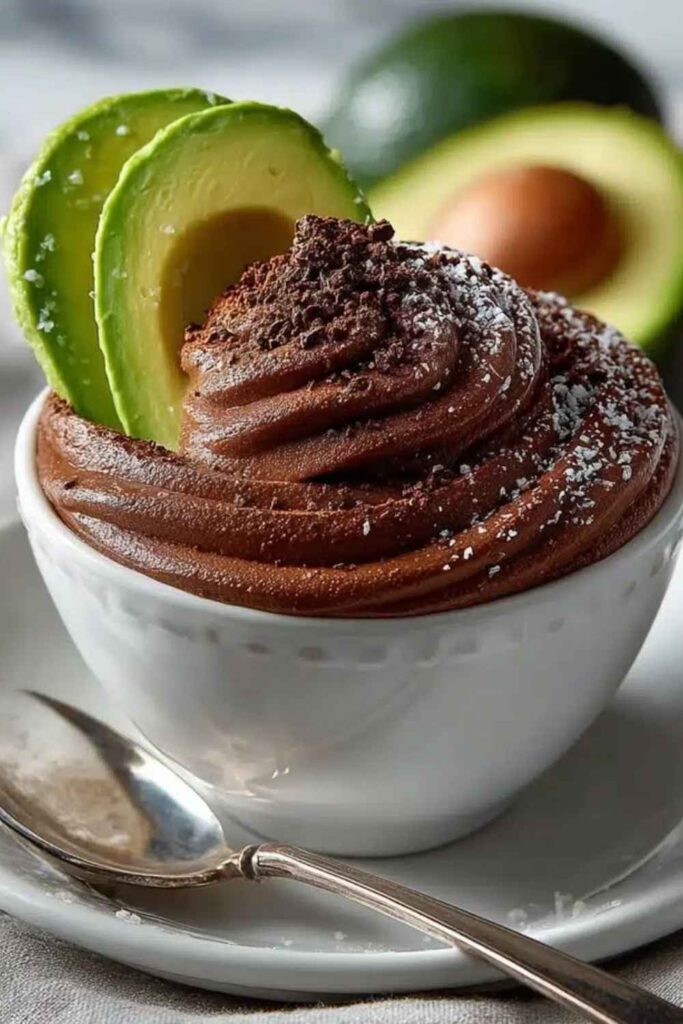
This sounds like a wellness influencer recipe. It is not. It’s genuinely delicious, and it takes eight minutes.
Ripe avocados have a fat profile similar to butter high in monounsaturated fats, neutral in flavor when paired with something stronger. Blend two ripe avocados with cocoa powder, maple syrup, vanilla extract, a pinch of salt, and a splash of oat or almond milk. Blend until completely smooth.
The color is a deep chocolate brown. The texture is dense and creamy closer to a French pot de crème than a whipped mousse. Chill for 30 minutes before serving.
The counterintuitive thing: more cocoa powder, not less. Three tablespoons minimum. Under-cacao’d avocado mousse tastes green. Over-cacao’d avocado mousse tastes like chocolate.
Creamy Tuscan White Bean Soup
White beans are one of the most underrated dairy-free thickeners. When blended, they produce a body that reads as rich and creamy without any added fat.
Sauté onion, garlic, rosemary, and fennel seed in olive oil. Add canned white beans and vegetable broth. Let it simmer for 15 minutes, then blend half the soup and stir it back into the pot. That’s your creaminess, no cream required.
Add kale or spinach at the end, a squeeze of lemon, good olive oil drizzled over the top. This is winter soup at its best.
The insight that changes this recipe: Toast your rosemary in the oil for 45 seconds before adding the onion. Dried herbs bloom in fat and heat. That single step moves the flavor from background note to front and center.
Read More About:25 Easy Vegan Recipes That Actually Satisfy No Sad Salads Here
Banana Nice Cream Four Ingredients, Zero Compromise
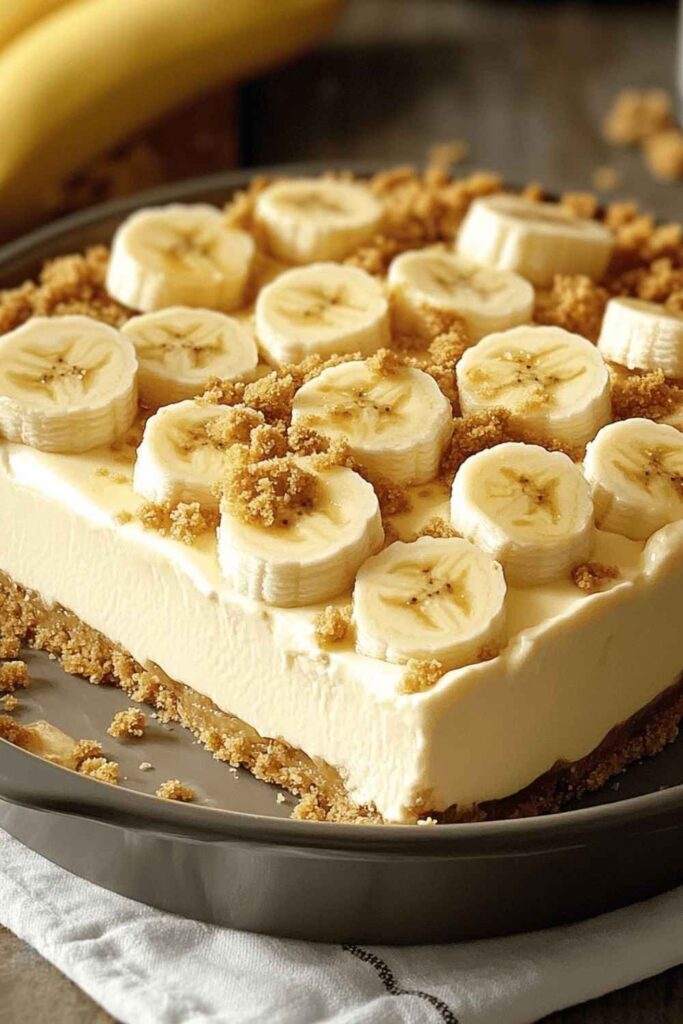
If you haven’t made banana nice cream yet, this is the one thing on this list to do today.
Freeze ripe bananas (the riper the better brown spots are flavor). Blend from frozen. That’s it. The result is a scoopable, creamy frozen dessert with the texture of soft-serve ice cream.
The science: frozen ripe bananas contain enough natural sugar and water that blending breaks down their cell structure into something genuinely smooth and airy, without any added dairy fat.
Variations: blend with peanut butter and cocoa powder for a chocolate-PB situation, or with frozen mango and lime for something tropical. Add a spoonful of coconut cream if you want it richer.
The mistake to avoid: Don’t try this with underripe bananas. You’ll get chunky, starchy results that don’t blend well and taste nothing like the real thing.
Lemon Tahini Dressing That Goes on Everything
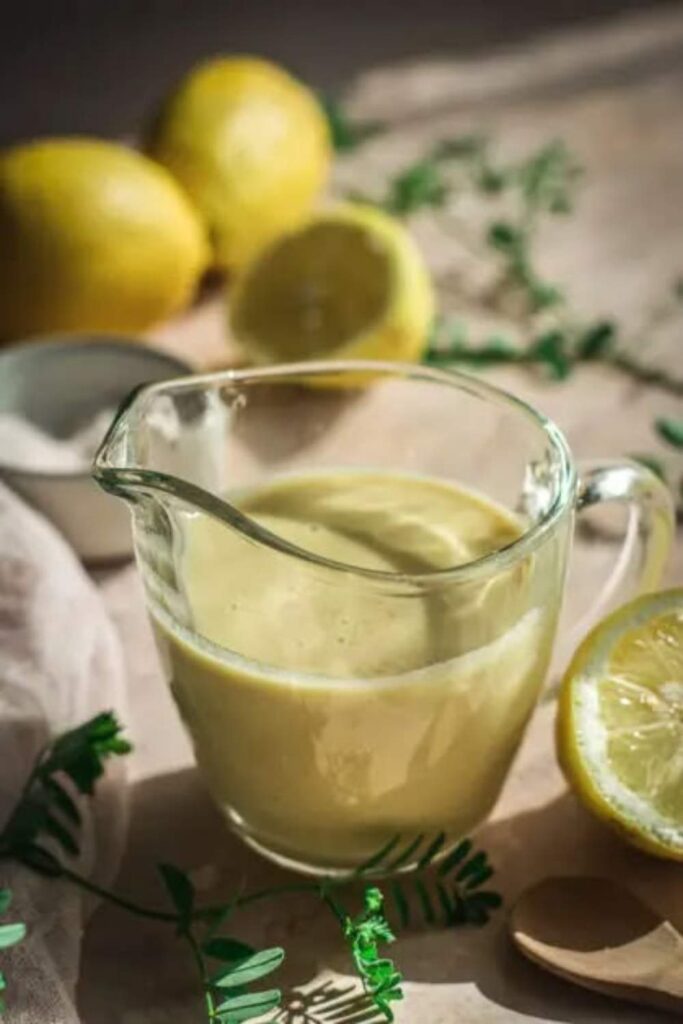
This isn’t a “recipe” in the traditional sense, it’s a sauce that makes other foods worth eating, and it belongs in every dairy-free kitchen.
Tahini is sesame paste: high in fat, slightly bitter, enormously versatile. Blend it with lemon juice, garlic, cold water, and salt. The water emulsifies the tahini into something pourable and creamy paradoxically, adding water to tahini makes it thicker before it thins out.
Use this on grain bowls, roasted vegetables, falafel, salads, and honestly anything you’d normally drizzle with a creamy dressing.
The specific ratio that works: 3 tbsp tahini, 2 tbsp lemon juice, 1 small garlic clove, 3–5 tbsp cold water, salt. Start with less water and add more until it reaches your preferred consistency.
Dairy-Free Quiche with Silken Tofu Custard
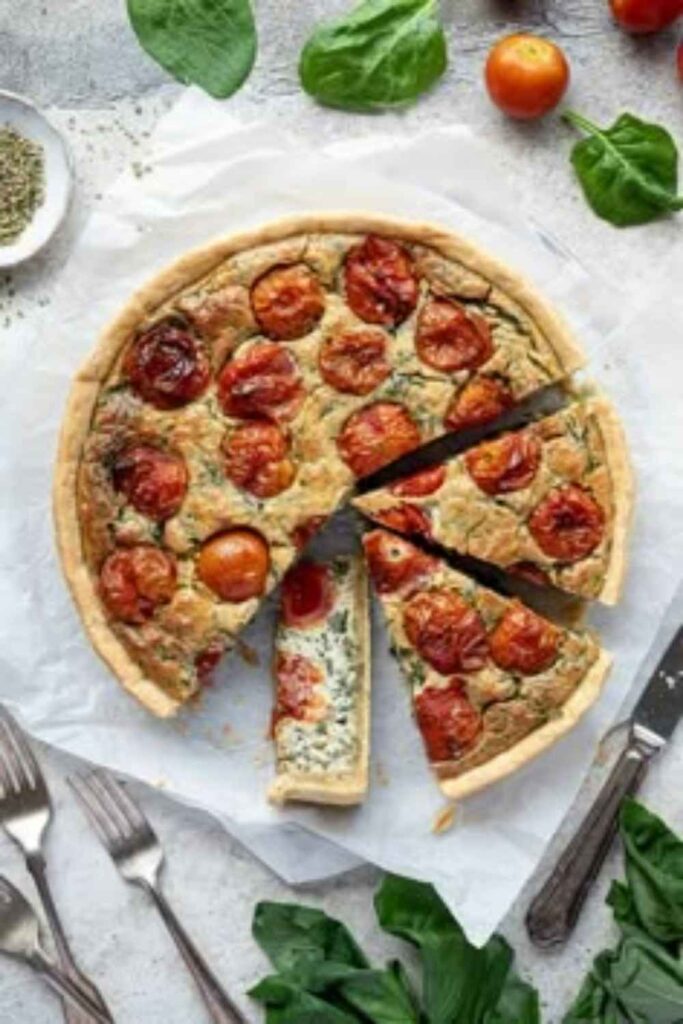
Most people don’t know that silken tofu blends into a smooth, custard-like base that bakes almost identically to an egg-and-cream mixture. It’s the best-kept secret in dairy-free baking.
Press silken tofu and blend with nutritional yeast, cornstarch, plant-based milk, garlic powder, and turmeric (for color). Pour over sautéed vegetables in a par-baked pie shell. Bake at 375°F for 35–40 minutes until set.
The cornstarch is load-bearing here; it’s what gives the filling structural integrity as it cools. Without it, the quiche won’t slice cleanly.
Fill with whatever vegetables you have: caramelized onion and mushroom, roasted red pepper and spinach, asparagus and sun-dried tomato. This is one of the most adaptable recipes on this list.
Coconut Yogurt Overnight Oats
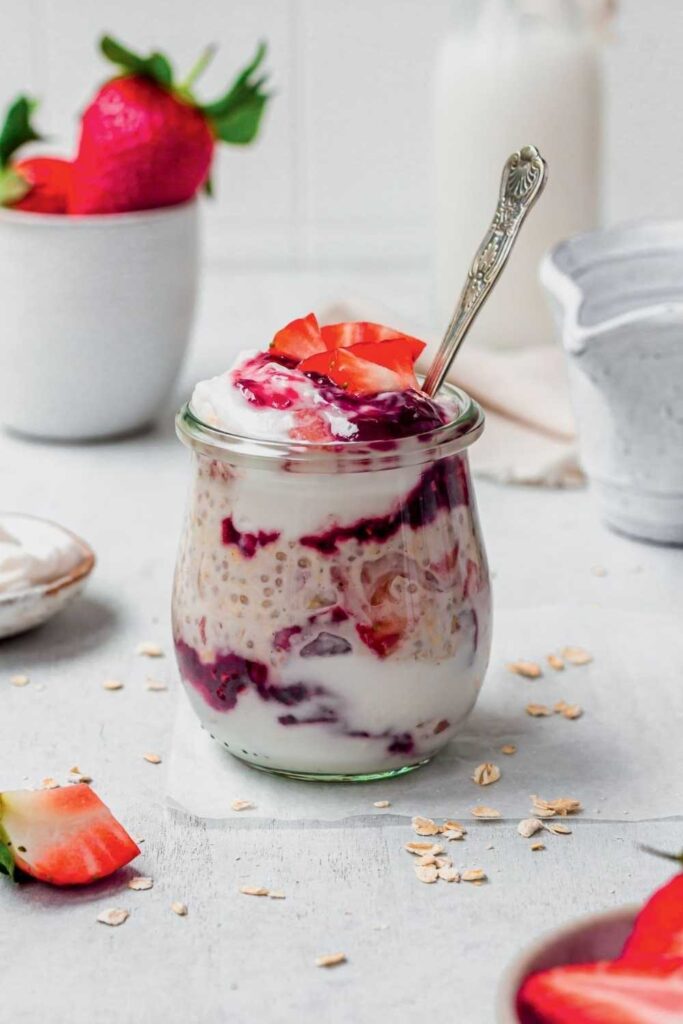
The overnight oats game is crowded. Here’s what makes a dairy-free version worth eating instead of just convenient.
Use coconut yogurt as your base instead of oat milk alone. It adds protein, a slight tang, and a richness that keeps you full longer. Layer with rolled oats, chia seeds, and a tiny pinch of salt, always the salt, it rounds everything out. Let it sit overnight.
Top in the morning with fresh fruit, a drizzle of nut butter, and optionally a spoonful of hemp seeds for extra protein.
The overnight rest is where the magic happens: chia seeds expand, oats soften, and the whole thing thickens into something that genuinely resembles a dessert.
IMO, this is the best five-minute dairy-free breakfast that doesn’t involve cooking anything.
Roasted Garlic and Cauliflower Mash
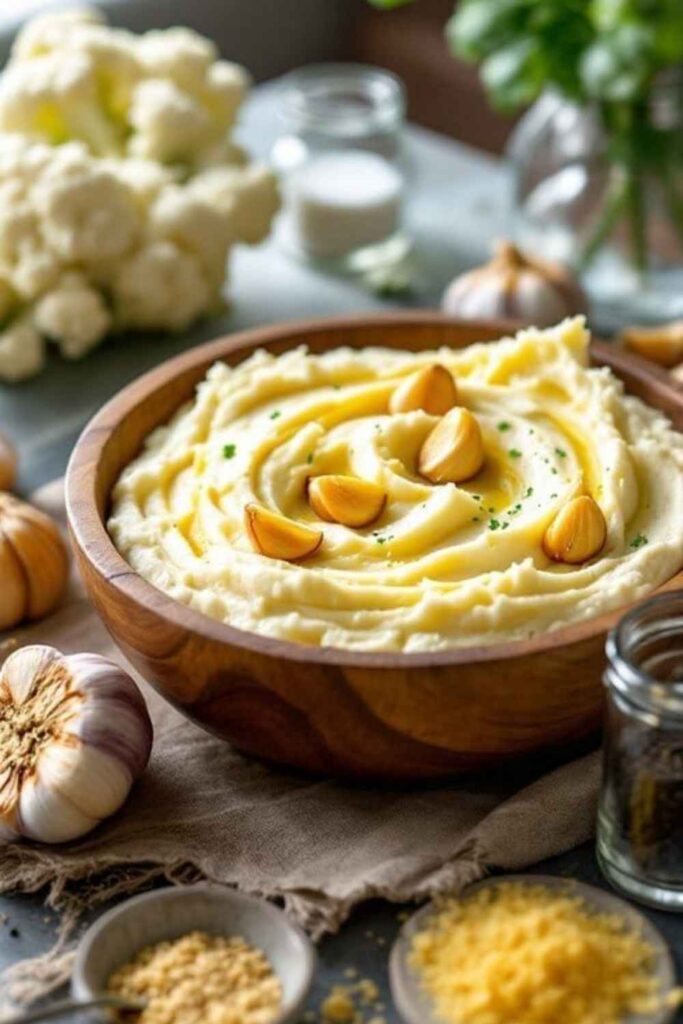
Mashed potatoes were never just about the dairy. They were about the fat, and about the starch. Cauliflower delivers both without the glycemic spike.
Roast garlic (a full head, top sliced off, drizzled with olive oil, wrapped in foil, 400°F for 40 minutes). Steam or boil cauliflower florets until completely tender. Blend together with squeezed roasted garlic, olive oil, salt, white pepper, and a splash of vegetable broth.
The roasting of the garlic is non-negotiable. Raw or sautéed garlic gives you sharpness. Roasted garlic gives you sweetness, depth, and a caramelized note that completely transforms this dish.
Finish with chives and a good pour of extra-virgin olive oil.
Quick Comparison: Which Dairy-Free Recipe Fits Your Situation
| Recipe | Prep Time | Skill Level | Best For | Key Swap |
| Coconut Milk Pasta | 20 min | Easy | Quick weeknight dinner | Full-fat coconut milk |
| Cashew Cream Soup | 30 min | Easy | Meal prep | Blended cashews |
| Oat Milk Pancakes | 20 min | Easy | Weekend brunch | Oat milk + flax egg |
| Thai Green Curry | 30 min | Medium | Family dinner | Coconut milk (already dairy-free) |
| Vegan Mac & Cheese | 25 min | Easy | Comfort food craving | Cashew + nutritional yeast |
| Chocolate Avocado Mousse | 10 min | Beginner | Quick dessert | Ripe avocado |
| Tuscan White Bean Soup | 35 min | Easy | Cozy winter meal | Blended white beans |
| Banana Nice Cream | 5 min | Beginner | Anytime dessert | Frozen bananas |
| Lemon Tahini Dressing | 5 min | Beginner | Everyday sauce | Tahini |
| Dairy-Free Quiche | 60 min | Medium | Weekend brunch/entertaining | Silken tofu |
| Coconut Yogurt Oats | 5 min + overnight | Beginner | Meal prep breakfast | Coconut yogurt |
| Cauliflower Mash | 50 min | Easy | Holiday or dinner sides | Olive oil + roasted garlic |
Key Takeaways
Go for full-fat coconut milk when you want cream-level richness in sauces, soups, and curries; the carton versions won’t get you there.
Cashew cream is your best investment if you cook dairy-free regularly it works across sweet and savory dishes and freezes well.
Skip banana nice cream if your bananas aren’t very ripe underripe bananas produce a starchy, unpleasant result. Freeze them when they’re browning.
Silken tofu is the best-kept secret for dairy-free baking, best for quiches, custards, and anywhere you need structural creaminess.
Best choice for a fast, high-impact swap: nutritional yeast + lemon juice added to almost anything instantly mimics the sharp, savory quality of dairy-based cheese.
If you’re cooking for someone with a coconut allergy, lean on oat milk and cashew cream. Both are versatile and mild.
FAQ’s
Can I use oat milk in place of regular milk in any baking recipe?
Oat milk is the closest plant-based milk to whole milk in terms of texture and baking behavior, thanks to its starch content. It works well in pancakes, muffins, and quick breads. For recipes that rely on the fat content of whole milk like custards or rich cakes combine oat milk with a tablespoon of neutral oil per cup for better results.
Does dairy-free cooking always require expensive specialty products?
Not really. The most useful dairy-free staples canned full-fat coconut milk, raw cashews, oat milk, and nutritional yeast are available at most grocery stores and aren’t premium-priced. The recipes that get expensive are the ones that lean heavily on commercial dairy-free cheese or butter, which you largely don’t need if you’re cooking from scratch.
How do I stop coconut milk from making everything taste like coconut?
The key is balance. Strong aromatics garlic, ginger, cumin, smoked paprika, lemongrass, chili overpower the coconut note. In sweeter dishes, vanilla and cocoa do the same. If you’re making something where coconut flavor genuinely doesn’t belong (like a savory cream sauce that isn’t Thai or Caribbean), use oat cream or cashew cream instead; both are neutral-flavored.
Conclusion
Dairy-free cooking has one real barrier: the first few recipes where you’re still figuring out which swaps actually work. Once you understand that creaminess is about fat and emulsification, not dairy specifically, the mental model shifts, and the cooking gets faster and more intuitive.
The twelve recipes here cover that learning curve in one go. Start with two or three that match what you already cook, and the rest will start to feel natural. Save this to your dairy-free Pinterest board so you have it when the craving hits.