12 Meal Prep Lunch Ideas That Actually Keep You Full Without Ruining Your Sunday
You know that moment when it’s 12: 45 PM, you’re starving, and the only thing standing between you and a sad desk vending machine run is a container of something you threw together four days ago? That’s exactly the problem meal prep lunches are supposed to solve and exactly where most people’s good intentions fall apart.
The issue usually isn’t motivation. It’s that most meal prep advice assumes you have three free hours on Sunday, a spotless kitchen, and the personality of someone who genuinely enjoys labeling Tupperware. Meal Prep Lunch IdeasIf your mornings are rushed and your weekends are already crowded, you need a smarter approach, not just more recipes.
This list is built around lunches that hold up well in the fridge, taste better than sad reheated sadness, and can be realistically prepped in under 90 minutes. A mix of warm, cold, grain-based, and protein-forward options so you’re not eating the same thing five days in a row.
Grain Bowl Bases The “Build Once, Eat Five Ways” Strategy
Most people prepare complete meals. That’s where they go wrong.
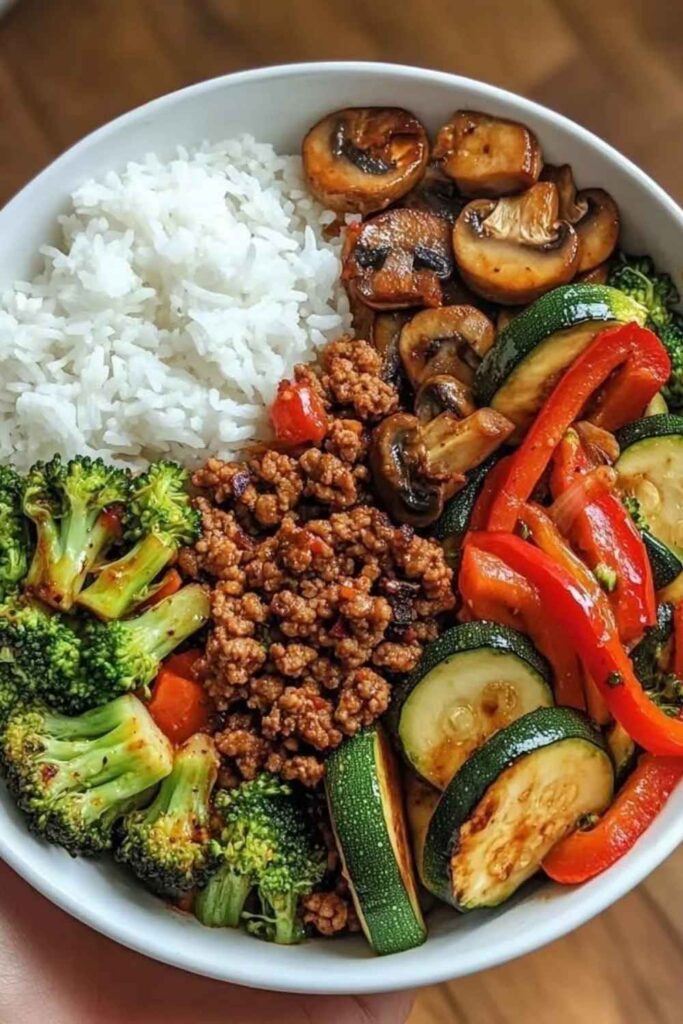
Cooking a big batch of grains farro, quinoa, brown rice, or barley gives you a neutral, filling base that can go in a dozen different directions through the week. Monday it’s a Mediterranean bowl with roasted chickpeas and cucumber. Wednesday it’s an Asian-style bowl with edamame and sesame dressing. Same base, totally different lunch experience.
Farro is the underrated pick here. It’s chewier than quinoa, holds its texture in the fridge for five days without getting mushy, and has a slightly nutty flavor that works with both acidic and creamy dressings. Brown rice, by comparison, starts getting hard after day three.
Cook a large batch Sunday, store it plain, and portion it out with different toppings each morning. That’s literally five minutes of work per day.
Tip: Don’t dress the grain base when storing. Add sauce or dressing right before eating to prevent sogginess and keep the flavor fresh.
Read More About:25 Vegetarian Quick Lunch Ideas That Actually Keep You Full 2026
Mason Jar Salads Yes, They’re Still Worth It
The mason jar salad has become a bit of a punchline, but there’s a reason it actually works and it’s not aesthetics.
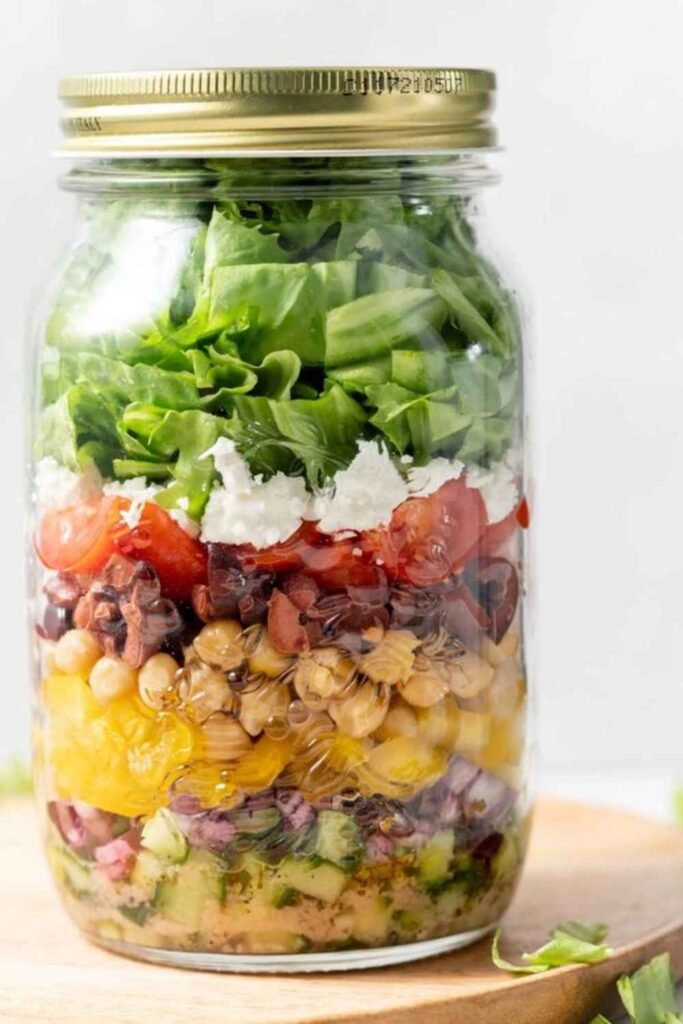
The layering technique genuinely prevents soggy salads. Dressing goes on the bottom, then dense ingredients chickpeas, cucumbers, shredded carrots, then greens on top. When you shake it out or dump it into a bowl, the greens stay crisp because they never touched the dressing in storage.
The mistake most people make is using delicate greens. Baby spinach holds up fine for two to three days. Arugula wilts fast. Kale, massaged lightly with olive oil before packing, can last the whole week. If you’re prepping five jars on Sunday, use kale as your base.
Add a protein source that doesn’t get weird in the fridge, hard-boiled eggs, canned tuna, cooked lentils, or grilled chicken and you’ve got a complete lunch that requires zero thought Monday through Friday.
Read More About:15 High Protein Lunch Ideas That Actually Keep You Full Until Dinner
High-Protein Wraps With a Twist Freeze Half of Them
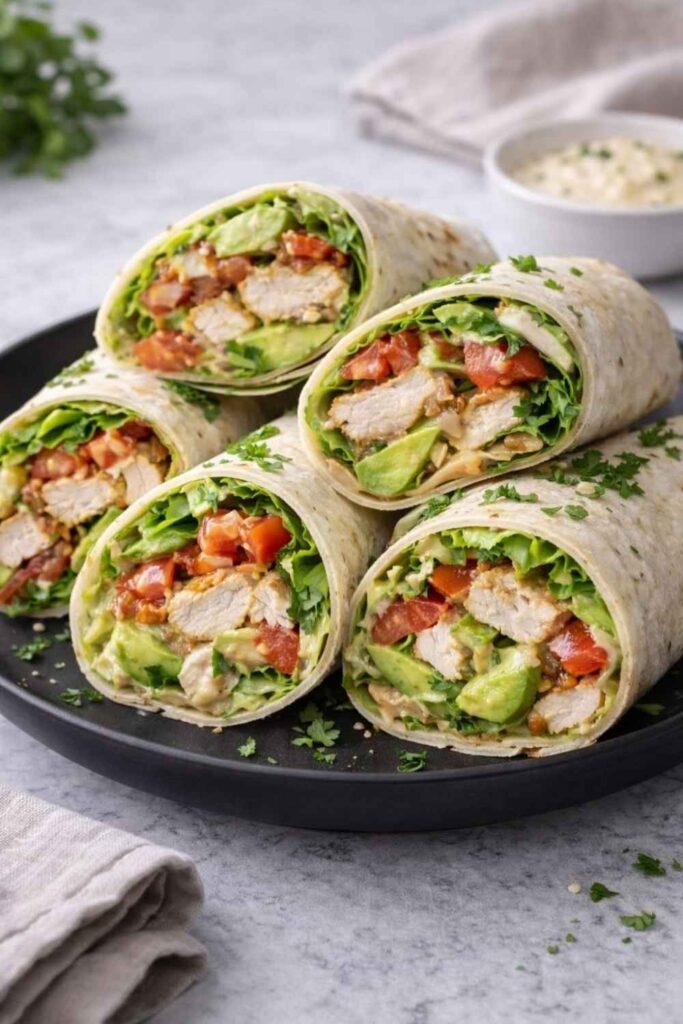
Here’s something most meal prep content skips entirely: wraps freeze well.
Make a double batch, eat half this week, freeze half for next week. The best candidates are wraps with cooked fillings, spiced ground turkey with roasted peppers, black bean and sweet potato, or curried chickpea. Avoid anything with raw vegetables or mayo-based sauces before freezing.
Wrap tightly in foil, freeze flat, and pull them out the night before. By lunch they’re fully thawed and taste freshly made. Honestly, it’s a better system than staring into your fridge on Thursday wondering why you’re tired of eating the same thing again.
For a flavor upgrade, swap standard flour tortillas for whole wheat or spinach wraps. They hold moisture better during storage and have more structural integrity and no sogginess in the middle after day two.
Read More About:24 Healthy Cheap Lunch Ideas for Work That Are Actually Worth Making 2026
Cold Noodle Salads That Don’t Need Reheating
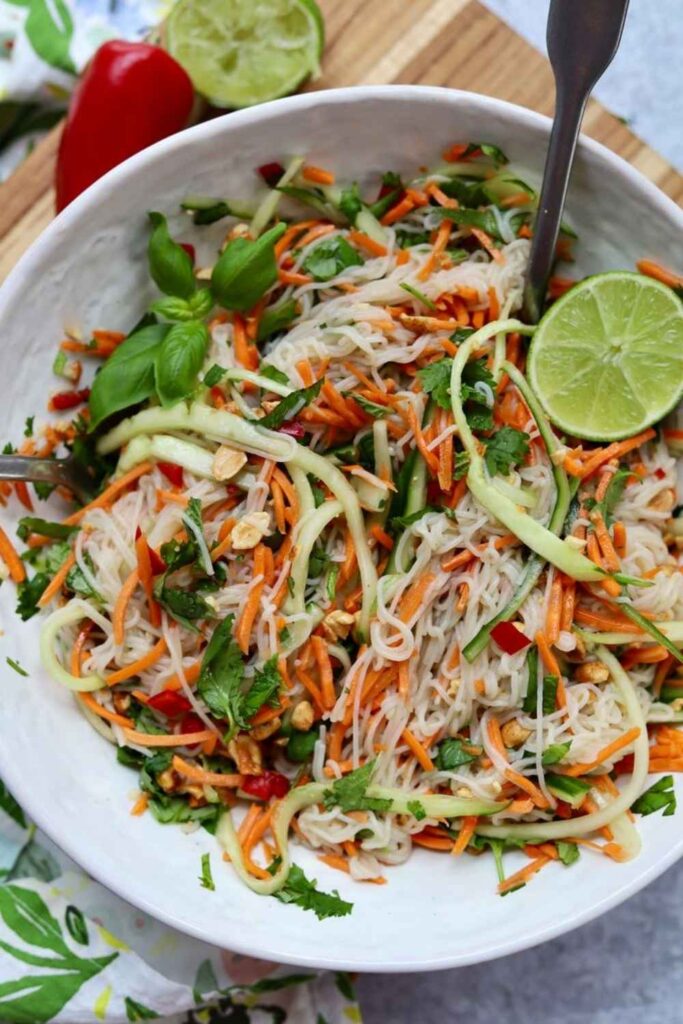
One genuinely underused category in meal prep is cold noodle salads specifically because they eliminate the “find a microwave” problem at the office.
Soba noodles are the best base. They’re made from buckwheat, cook in five minutes, and taste just as good cold as warm. Toss them with a sesame-soy dressing, soy sauce, rice vinegar, toasted sesame oil, a little ginger, a little honey, add shredded purple cabbage, edamame, and sliced scallions. Done.
This keeps well for four days. The noodles absorb the dressing slightly as they sit, which actually deepens the flavor. Unlike most salads, a day-old cold noodle salad is better than a fresh one.
If soba isn’t your thing, rice noodles or even whole wheat spaghetti work. Just rinse cooked noodles under cold water immediately to stop cooking and prevent sticking.
Egg Muffins The Fastest Protein Prep You’re Probably Ignoring

Egg muffins are not glamorous. They are, however, one of the most efficient meal prep moves you can make.
Twelve muffins take about 25 minutes total including prep, last five to six days in the fridge, and can be eaten cold or reheated in 45 seconds. Each one is essentially a mini frittata egg whisked with whatever vegetables, cheese, or cooked meat you have on hand, poured into a greased muffin tin and baked at 375°F for 18–20 minutes.
The key mistake to avoid overfilling. Fill each cup about 80% they puff up during baking and sink slightly on cooling, and overfilled ones spill over and stick to the pan.
Pair two or three with a side of fruit or a small salad and you’ve got a complete, filling lunch with almost no weekday effort.
Sheet Pan Roasted Vegetables and Protein Combos
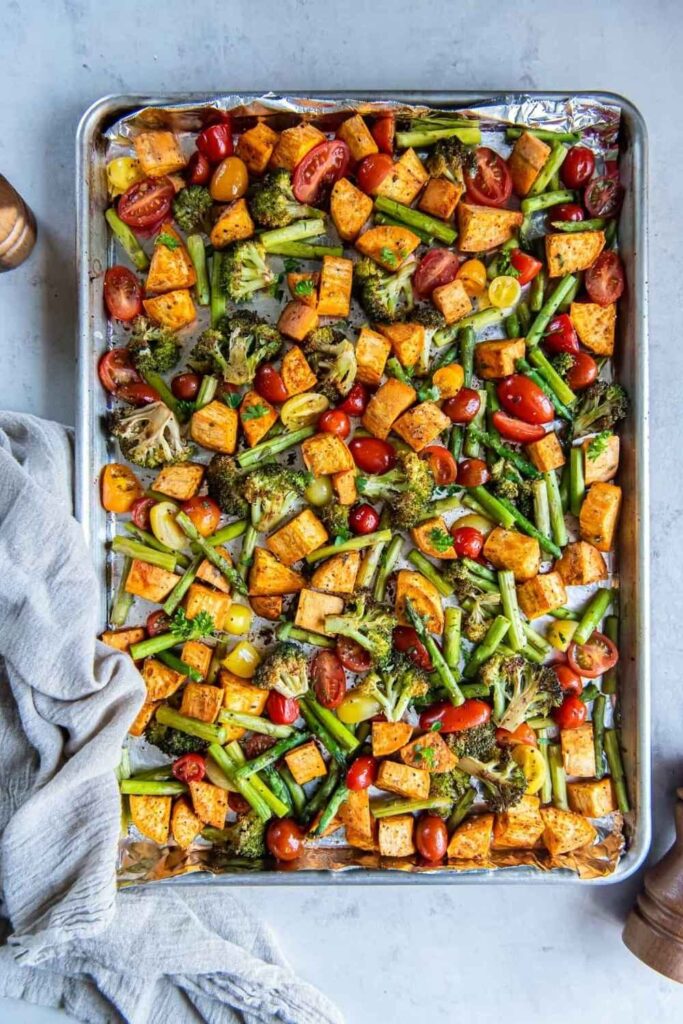
Roasting is the laziest, most forgiving cooking method for batch cooking and it produces the best leftovers.
The concept is to throw two sheet pans in the oven simultaneously, one with a protein chicken thighs, salmon, tofu, or sausage and one with hearty vegetables broccoli, zucchini, cherry tomatoes, sweet potato. Roast at 425°F. Done in 25–30 minutes.
The important insight here is pairing. Sweet potato roasts beautifully next to chicken because both need roughly the same time and temperature. Delicate vegetables like asparagus and zucchini go together. Broccoli and cauliflower are the workhorses they roast fast, hold their texture in the fridge, and don’t release a lot of liquid that makes everything soggy.
Store protein and vegetables together in portions, add a grain from your base batch see tip 1, and you’ve got a complete lunch that reheats in two minutes.
Lentil and Bean-Based Soups The Meal Prep Dark Horse
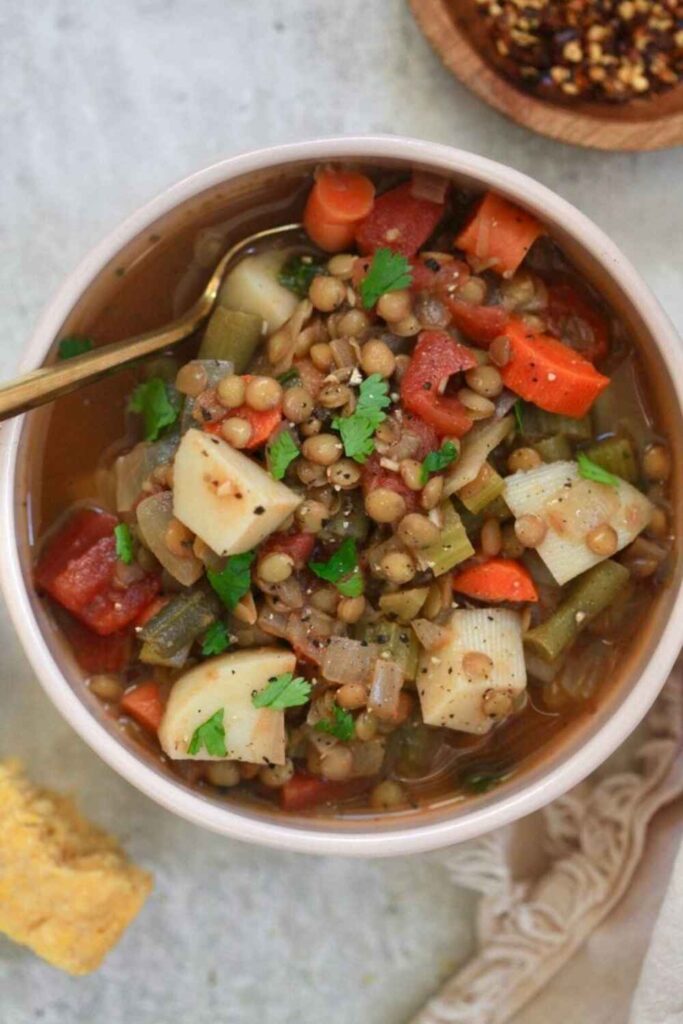
Soups get skipped in most lunch prep guides because people assume they’re too liquid-heavy to transport. IMO, that’s the wrong call, a good thermos solves the problem entirely.
Lentil soup in particular is the ideal batch-cook meal. It gets better on day two and three as the flavors develop, it’s filling without being heavy, and a single large pot makes six to eight servings. Red lentils cook in 20 minutes without soaking. Add diced tomatoes, cumin, garlic, lemon juice, and you’ve got something genuinely satisfying.
Black bean soup, chickpea and spinach stew, or a simple white bean and kale soup all follow the same logic. They freeze beautifully, so you can make a pot every two weeks and still have a rotation going.
One strong opinion season aggressively. Soups always need more salt and acid than you think when hot, because flavors mute slightly when chilled. Taste after cooling and adjust before storing.
Protein-Packed Bento-Style Boxes
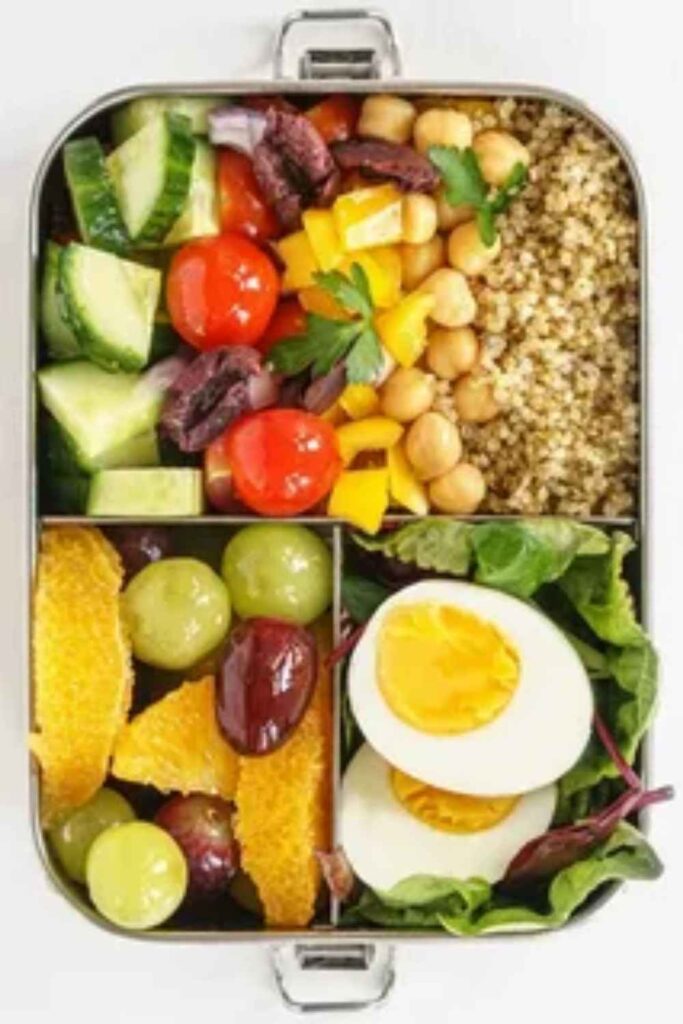
Bento boxes aren’t just for kids’ lunch boxes; the format is genuinely useful for adults who like variety without cooking multiple dishes.
The formula one protein hard-boiled eggs, deli turkey, hummus, or leftover chicken, one complex carb crackers, pita triangles, or cooked grain, one raw vegetable, and one bonus a handful of nuts, some olives, or a small portion of cheese. Assemble five boxes in 15 minutes on Sunday.
The advantage over full hot meals is no reheating required, no microwave dependency, and a wider variety of textures and flavors in a single lunch. If you find yourself bored with eating the same meal three days in a row, the bento format fixes that because no two boxes need to be identical.
Use a divided container of the kind with compartments to keep everything separate. When ingredients touch, they all start tasting like each other.
Overnight Oats As a Savory Lunch Yes, Really
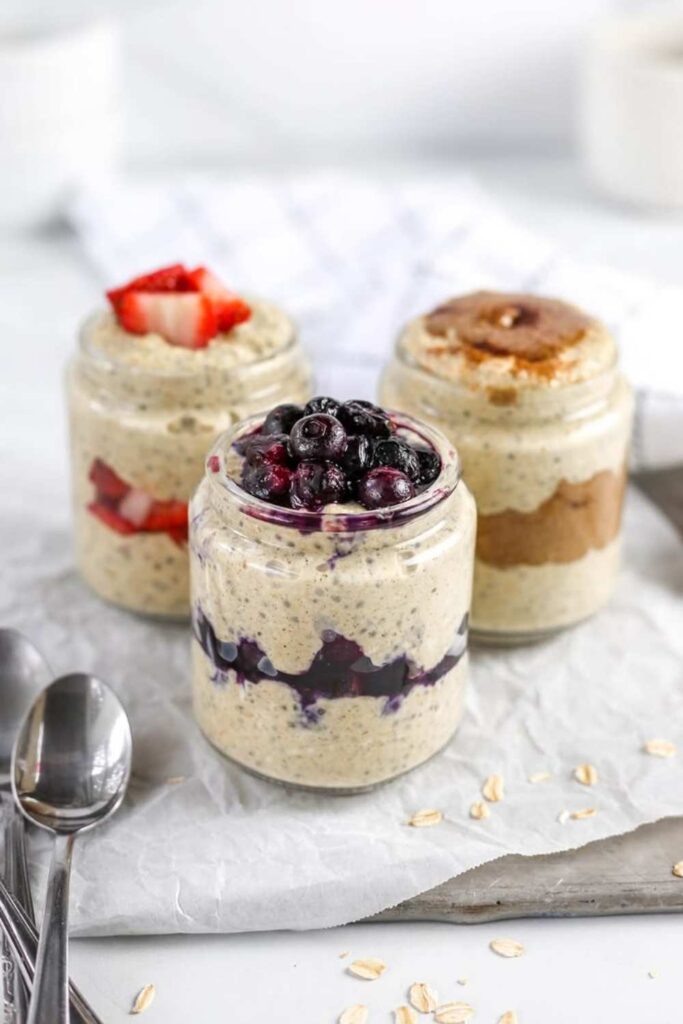
This is the counterintuitive one.
Savory overnight oats are not common, but they work in a way that will genuinely surprise you. Cook oats in a small amount of vegetable or chicken broth instead of water or milk, add a soft-boiled egg, some sliced avocado, a drizzle of soy sauce and chili flakes. The result is something closer to congee warm, savory, and deeply filling.
Prepared overnight in a jar, it’s ready to grab the next morning, requires no reheating if you have a thermos, and holds well for three days. It’s a solid choice for people who find most “healthy lunches” leave them hungry by 3 PM. Oats have an unusually high satiety index compared to rice or bread-based lunches.
This won’t be for everyone. But if you’re stuck in a meal prep rut, it’s worth one trial run.
Stuffed Bell Peppers Batch-Friendly and Freezer-Proof
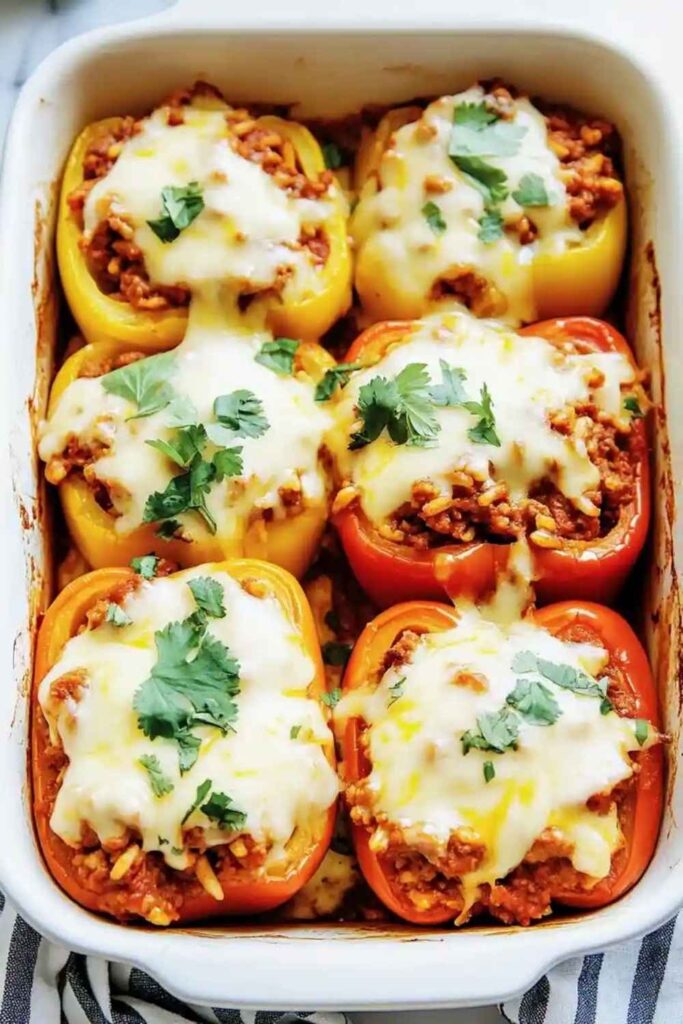
Stuffed peppers are one of the few “complete meal” prep options that actually holds up because the pepper itself acts as a container that locks in moisture and structure.
Fill halved bell peppers with a mixture of cooked ground turkey or beef, rice, black beans, diced tomatoes, and spices. Roast at 400°F for 25 minutes. Cool completely, then portion into meal prep containers.
These keep four days in the fridge and freeze perfectly for up to three months. The freezer option is the real value: make a double batch, eat some this week, freeze the rest, and have an emergency lunch supply for weeks when life gets unpredictable.
Color matters here beyond aesthetics. Red and orange peppers are sweeter and more crowd-pleasing. Green peppers have a slightly bitter edge that not everyone loves, especially after refrigeration.
Mediterranean Mezze Plates No Cooking Required
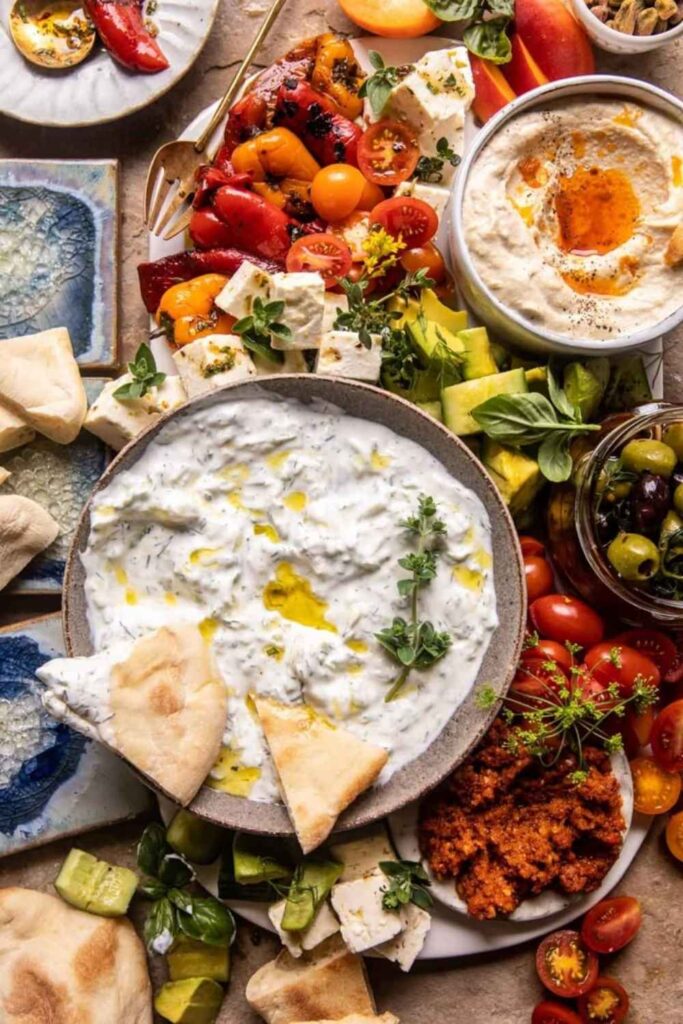
Not every meal prep option needs heat.
A mezze plate hummus, pita, olives, roasted red peppers jarred, cherry tomatoes, cucumber, and feta takes about 10 minutes to assemble and requires zero cooking. Store everything in individual containers and assemble in the morning or even at your desk.
The insight: buy good store-bought hummus and invest one Sunday in making a batch of tzatziki or baba ganoush from scratch. Homemade tzatziki keeps four days, is significantly better than the store version, and makes the whole plate feel intentional rather than thrown together.
This format is ideal for days when you’re not that hungry, want something light and fresh, or simply burned out on hot food. It’s also the fastest option on this list.
Thai Peanut Noodle Bowls Bold Flavor That Travels Well
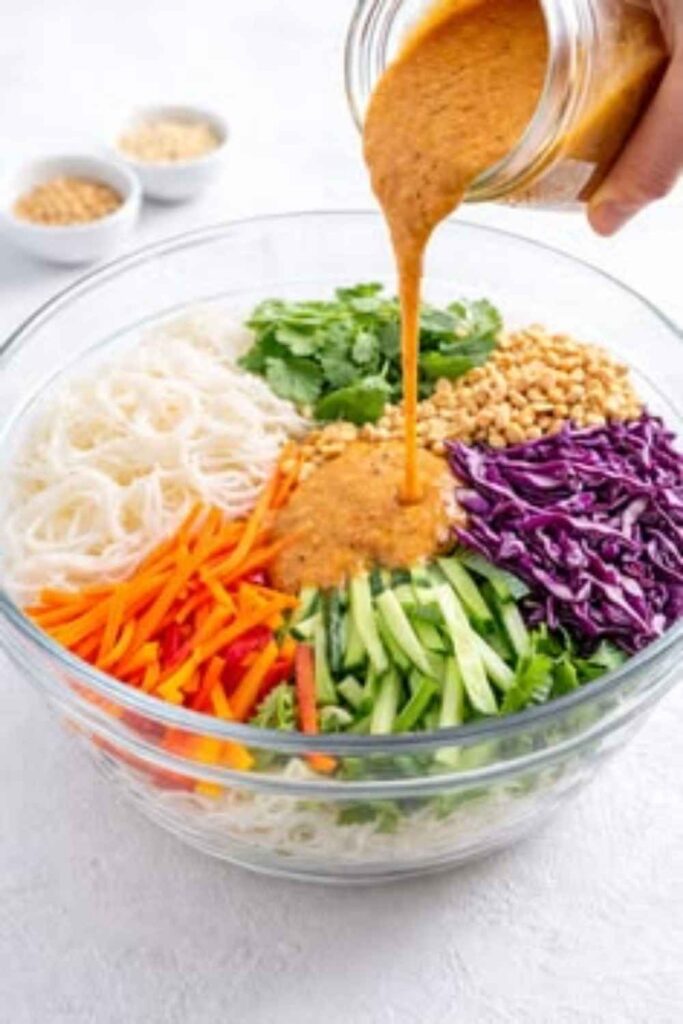
The strongest flavors tend to hold up best after a few days in the fridge which is exactly why Thai peanut noodles are such a reliable meal prep option.
Make the sauce peanut butter, soy sauce, lime juice, garlic, ginger, a little sriracha, a splash of warm water to loosen. Cook rice noodles or whole wheat spaghetti, toss with the sauce while warm so it absorbs, add shredded carrots, edamame, and sliced scallions. Portion into five containers.
The peanut sauce thickens as it sits in the fridge. Before eating, add a splash of water and mix it loosened right back up. This is not a bug; the thicker sauce clings more evenly to the noodles after a day of sitting.
A sprinkle of crushed roasted peanuts right before eating adds back the crunch texture lost in storage. Do that, and these bowls taste like you just made them.
Quick Comparison Table Which Meal Prep Lunch Is Right for You?
| Lunch Option | Prep Time | Fridge Life | Freezer-Friendly | Reheating Needed | Best For |
| Grain Bowl Base | 30 min | 5 days | Yes | Optional | Maximum variety seekers |
| Mason Jar Salad | 20 min | 3–5 days | No | No | Office workers without microwave access |
| Protein Wraps | 25 min | 4 days | Yes half batch | Optional | People who love grab-and-go |
| Cold Noodle Salad | 20 min | 4 days | No | No | No-microwave situations |
| Egg Muffins | 25 min | 5–6 days | Yes | 45 seconds | High-protein needs |
| Sheet Pan Combos | 35 min | 4–5 days | Partial | Yes | Hearty eaters |
| Lentil Soup | 40 min | 5–6 days | Yes | Yes | Cold weather, budget-conscious |
| Bento Boxes | 15 min | 4 days | No | No | People who get bored easily |
| Stuffed Peppers | 35 min | 4 days | Yes | Yes | Batch-and-freeze strategy |
| Thai Peanut Noodles | 20 min | 4 days | No | No | Bold flavor lovers |
Key Takeaways
Go for grain bowl bases
if you want the most flexibility with the least repeated flavors one cook, five different lunches
Choose mason jar salads
if you eat at a desk without microwave access and need something fresh and cold
Batch and freeze wraps or stuffed peppers
if your schedule is unpredictable they’re your emergency supply on chaotic weeks
Skip full-meal prep if you get bored easily
the bento format and grain bowl strategy give you variety without cooking multiple dishes
Best high-protein option
egg muffins, hands down fastest prep, longest fridge life, flexible fillings
Best for someone completely new to meal prep
start with the sheet pan method one pan, two ingredients, minimal skill required
FAQ’s
How do I keep meal prepped lunches from getting boring by Wednesday?
The main fix is prepping components instead of complete meals. When you store grains, proteins, and vegetables separately rather than assembling everything in advance, you can mix and match daily. Tuesday’s roasted chicken becomes Wednesday’s grain bowl topping and Thursday’s wrap filling without eating the same thing three times.
What containers are actually worth buying for meal prep?
Glass containers with airtight lids are the gold standard for food that needs reheating; they don’t stain, don’t absorb odors, and go straight from fridge to microwave. For cold salads and no-heat meals, BPA-free plastic with dividers works well and is lighter to carry. Wide-mouth mason jars quart size are specifically ideal for layered salads. Avoid containers with a single clasp they leak in bags.
Can I meal prep lunches if I’m a picky eater or have dietary restrictions?
The grain bowl and bento formats are the most adaptable; they’re not really recipes so much as frameworks. Someone avoiding gluten can use rice instead of farro, someone plant-based can swap any protein for legumes or tofu, and someone avoiding dairy doesn’t have to change most options on this list at all. The component-based approach means you’re never committed to an exact dish.
Conclusion
The biggest shift in meal prep thinking is moving from “I need five complete meals” to “I need five good building blocks.” That one reframe cuts prep time, reduces boredom, and makes the whole system feel less like a chore.
Pick two or three options from this list that genuinely appeal to you, not the ones that look most impressive and start there. You don’t need to overhaul your whole kitchen routine in one Sunday.