36 Freezer Meal & Food Storage Strategies That Actually Save You Time and Money in 2026
You know that moment when it’s 6 PM, everyone’s hungry, and you’re staring into a fridge full of random ingredients that don’t make a single coherent meal? That’s exactly the problem a solid freezer meal system solves not just on the day you cook, but every frantic weeknight that follows.
Freezer meals and smart food storage aren’t about becoming some kind of meal-prep influencer. They’re about buying yourself time. Real, usable time, the kind where dinner is already handled before you even get home.
If your weeks feel like a constant scramble to feed people something decent, this guide is for you. These aren’t just “dump chicken in a bag” tips. Freezer Meal & Food Storage This is the actual framework for building a freezer stash that works with zero mystery meals and no more freezer burn regrets.
Build a Freezer Inventory System Before You Cook Anything
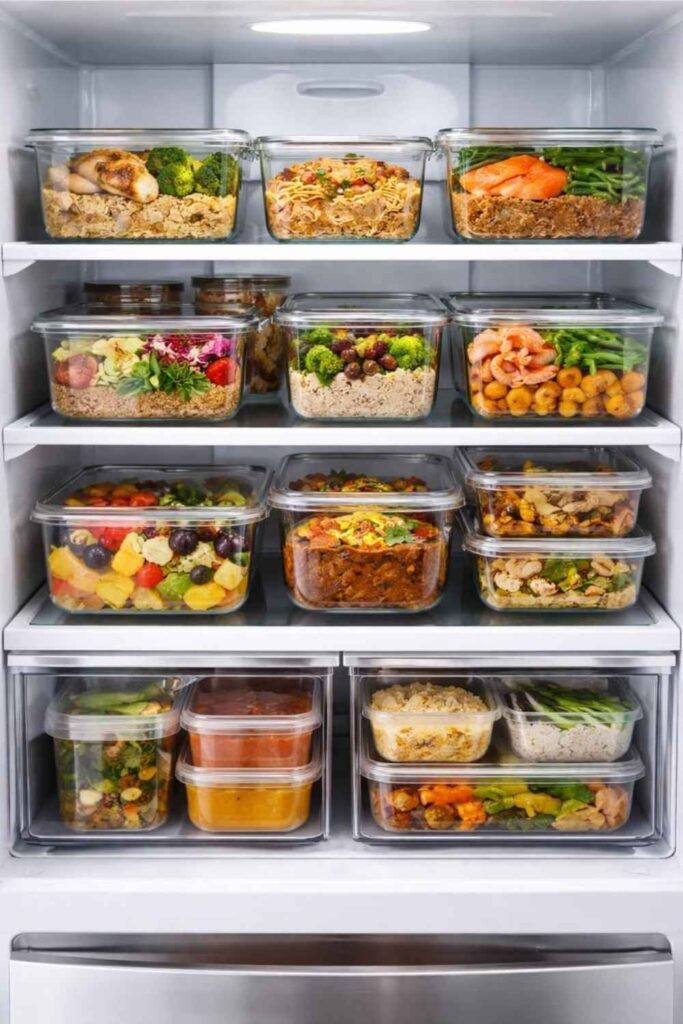
Most people skip this step, and it’s why their freezer becomes a black hole.
Before you batch cook a single thing, set up a simple labeling and tracking system. This doesn’t require an app or a spreadsheet (unless you want one). A small whiteboard on the freezer door works perfectly. Write what’s in there, the date it went in, and how many servings. That’s it.
The real insight here FIFO (First In, First Out) isn’t just a restaurant concept, it’s the single habit that separates people who eat their freezer meals from people who throw them out six months later. Always pull from the front, always add to the back.
Practical tip Use painter’s tape and a permanent marker directly on containers. Masking tape peels cleanly, costs nothing, and never lies about what’s inside.
The Foods That Actually Freeze Better Than Fresh Counterintuitive But True
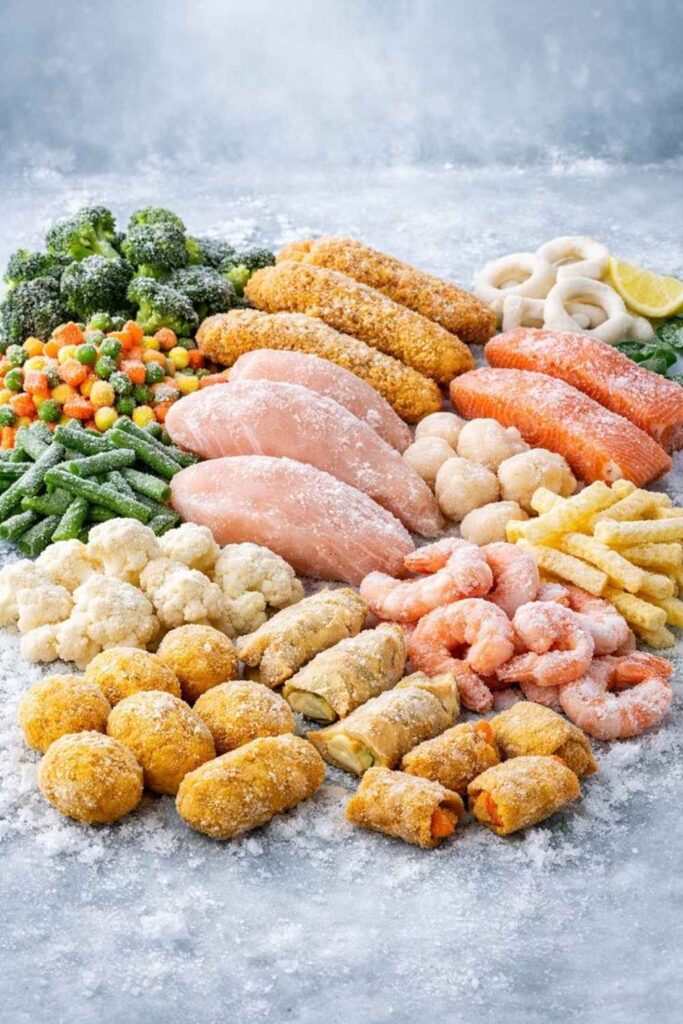
Here’s something most freezer meal guides won’t say certain foods are genuinely improved by freezing.
Soups, stews, and braised meats deepen in flavor after freezing because the ice crystals break down cell walls slightly, allowing seasonings and fats to penetrate more fully on the reheat. A beef stew pulled from the freezer often tastes richer than the version you ate fresh on day one. Same goes for chili, lentil dal, and anything with a long simmer time.
Cooked beans freeze beautifully better than keeping them in the fridge where they can turn sour within days. Batch cook a large pot of chickpeas or black beans, freeze in 1.5-cup portions (equivalent to one standard can), and you’ve just removed a step from every future recipe that calls for canned beans.
Raw cookie dough, pancake batter, and marinated raw proteins also freeze exceptionally well. The marinade continues to penetrate the meat during the freeze-thaw cycle, meaning your chicken thighs may actually be more flavorful after freezing than before.
Read More About:35 Kitchen Hacks & Cooking Tips That Actually Change How You Cook 2026
Stop Using the Wrong Containers This Is Where Most Freezer Meals Fail
Opinions vary here, but honestly the container choice makes or breaks the whole system.
Freezer-safe glass is the gold standard for anything liquid or saucy. It doesn’t absorb odors, doesn’t leach anything into food, and goes straight from freezer to oven. The downside is weight and space. For soups and stews, wide-mouth mason jars work well, leave at least an inch of headspace for expansion or you’ll find a cracked jar and a mess.
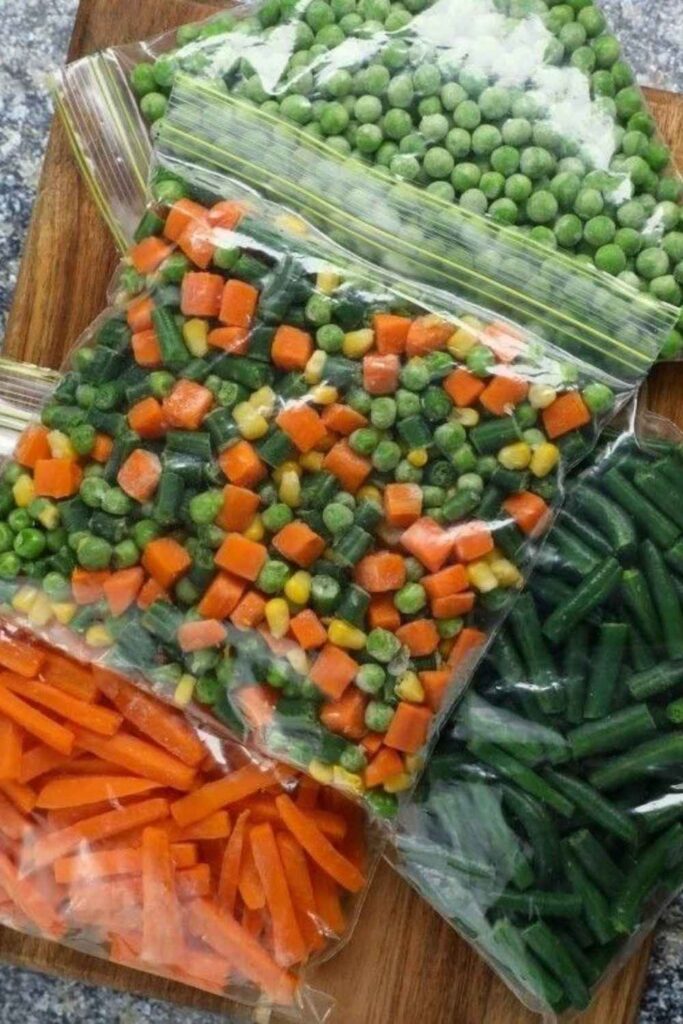
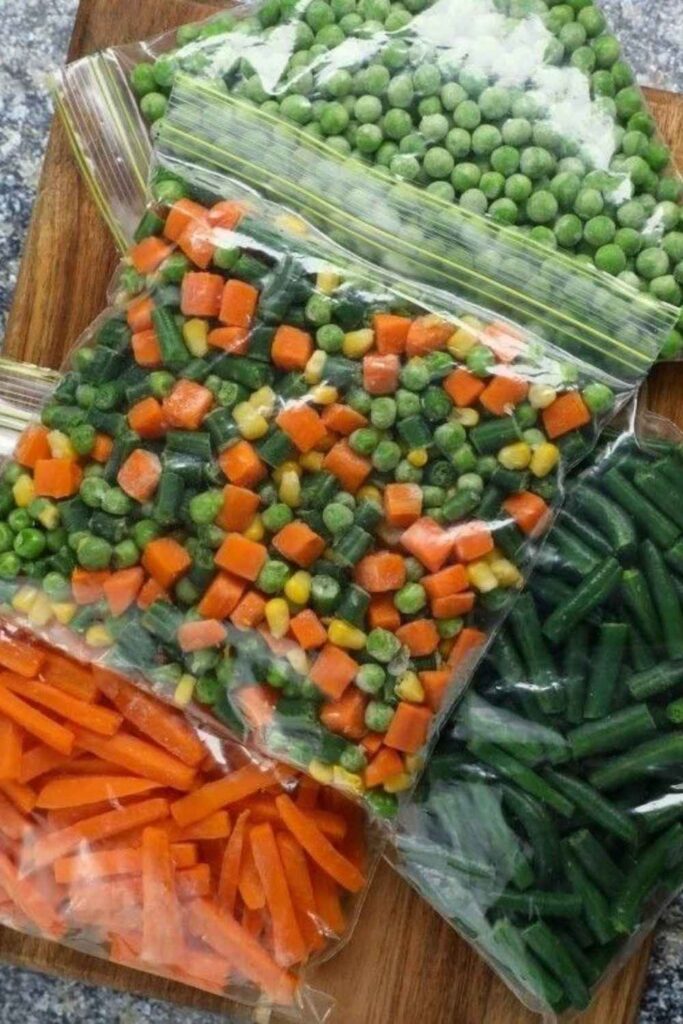
For flat, stackable storage, rigid plastic freezer containers or heavy-duty silicone bags beat flimsy zip-lock bags every single time. Regular sandwich bags are not freezer bags. The material is thinner, the seals fail faster, and you will get freezer burn within weeks.
Freezer burn isn’t a safety issue, it’s a texture and flavor issue. It happens when air contacts the food surface. Vacuum sealing is the best prevention, but pressing all air out of a zip bag before sealing works nearly as well and costs nothing extra.
The Blanching Step That Saves Your Vegetables
Raw vegetables do not freeze well. Full stop.
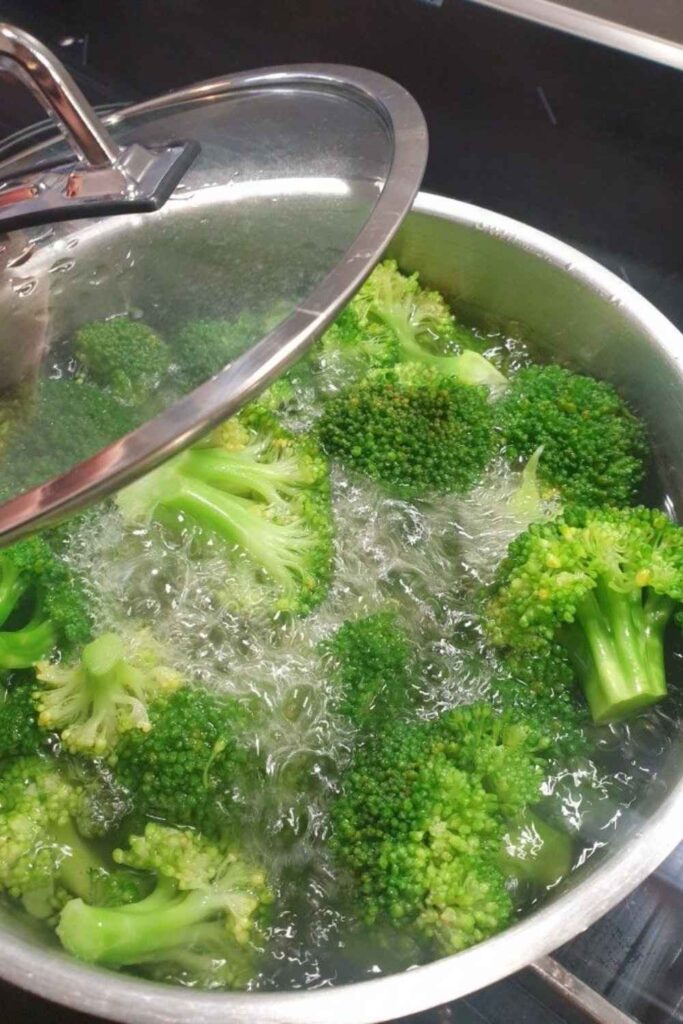
The water content in raw vegetables forms large ice crystals that destroy cell structure, leaving you with mushy, sad broccoli or limp green beans when you thaw them. Blanching briefly boiling vegetables then plunging them into ice water deactivates the enzymes that cause this breakdown, locks in color, and preserves texture through the freeze.
The timing matters: broccoli and cauliflower need 3 minutes, green beans need 2–3 minutes, corn kernels need 4 minutes. Leafy greens like spinach or kale only need about 60–90 seconds. Under-blanch and you’ll still get mushiness; over-blanch and you’ve already cooked them past their prime.
After the ice bath, dry vegetables completely before freezing. Spread them on a baking sheet, freeze until solid (about 2 hours), then transfer to bags. This “flash freeze” method keeps individual pieces separate instead of clumping into a solid brick.
Read More About:34 Grocery List and Budget Planning Habits That Actually Cut Your Bill in Half
Double-Batch Cooking The Laziest Smart Strategy There Is
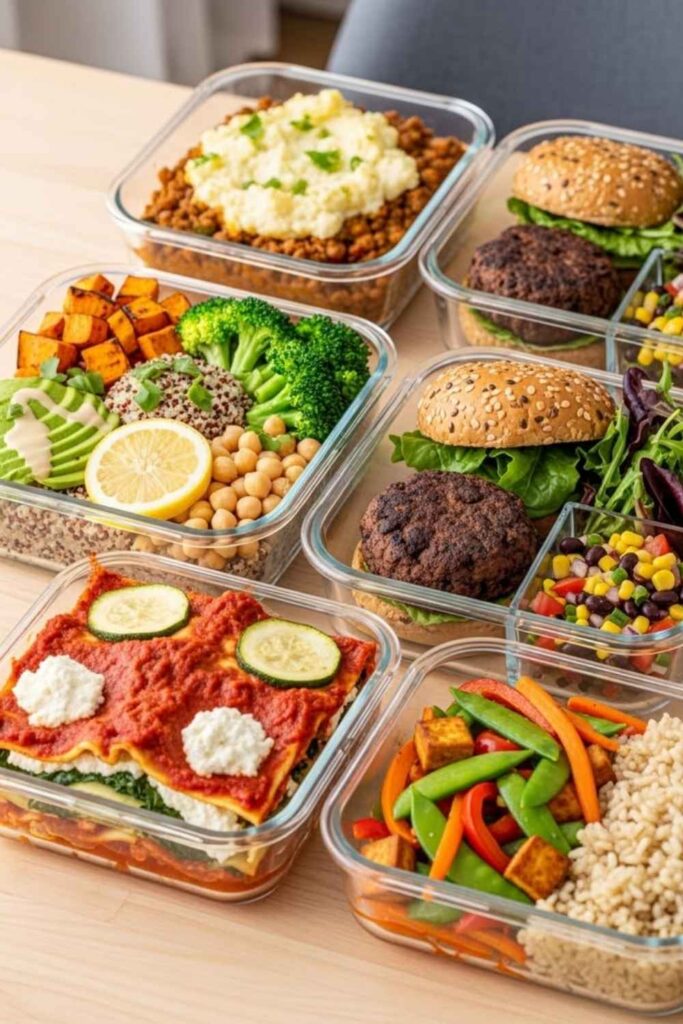
If you’re already cooking dinner, you’re already halfway to a freezer meal, you’re just not finishing the job.
The double-batch method is exactly what it sounds like: make twice what you need tonight, eat half, freeze half. No separate prep session, no dedicated Sunday cooking marathon. Just an extra pound of ground beef, an extra can of tomatoes, one more cup of rice.
The mistake people make is freezing food in one giant portion. Freeze in meal-sized or serving-sized portions. A single large container of chili sounds convenient until you realize you have to thaw the entire 8 cups just to eat 2. Silicone muffin tins are genuinely underrated for freezing individual portions of sauce, pesto, or baby food pop them out once frozen and transfer to bags.
IMO, this single habit doubling what you’re already making saves more money and time than any elaborate batch cooking session ever will.
The Thawing Method That Actually Matters for Food Safety
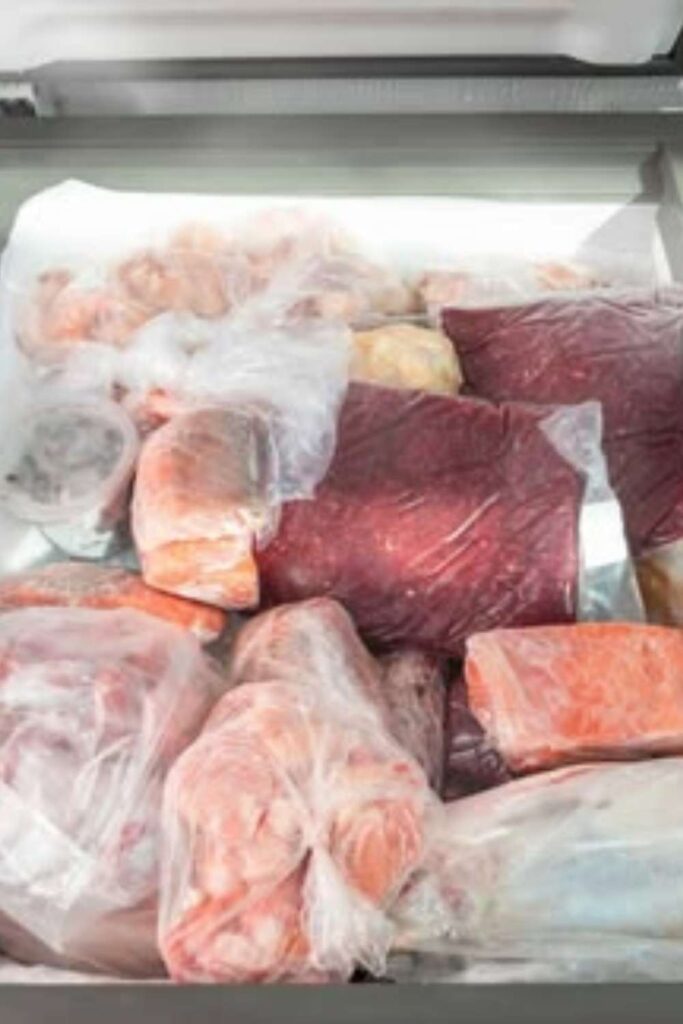
Thawing on the counter feels convenient. It’s also the method most likely to put you in questionable food safety territory.
The USDA recommends three safe thawing methods in the refrigerator, in cold water (changed every 30 minutes), or in the microwave (if cooking immediately after). Counter thawing allows the outer layer of food to reach bacterial growth temperatures while the center is still frozen, not ideal for proteins, which spend too long in that danger zone.
Refrigerator thawing is the gold standard to move meals from freezer to fridge the night before. Most soups and casseroles thaw completely in 24 hours. Large cuts of meat may need 48 hours or more.
The underrated move for busy evenings? Cook directly from frozen in the Instant Pot or slow cooker. Soups, stews, and braised dishes handle this beautifully, add 25–30% more cooking time and you’re done.
Read More About:33 Weekly Meal Plans That Actually Work (No Burnout, No Waste)
Smart Food Storage Beyond the Freezer Your Pantry & Fridge System
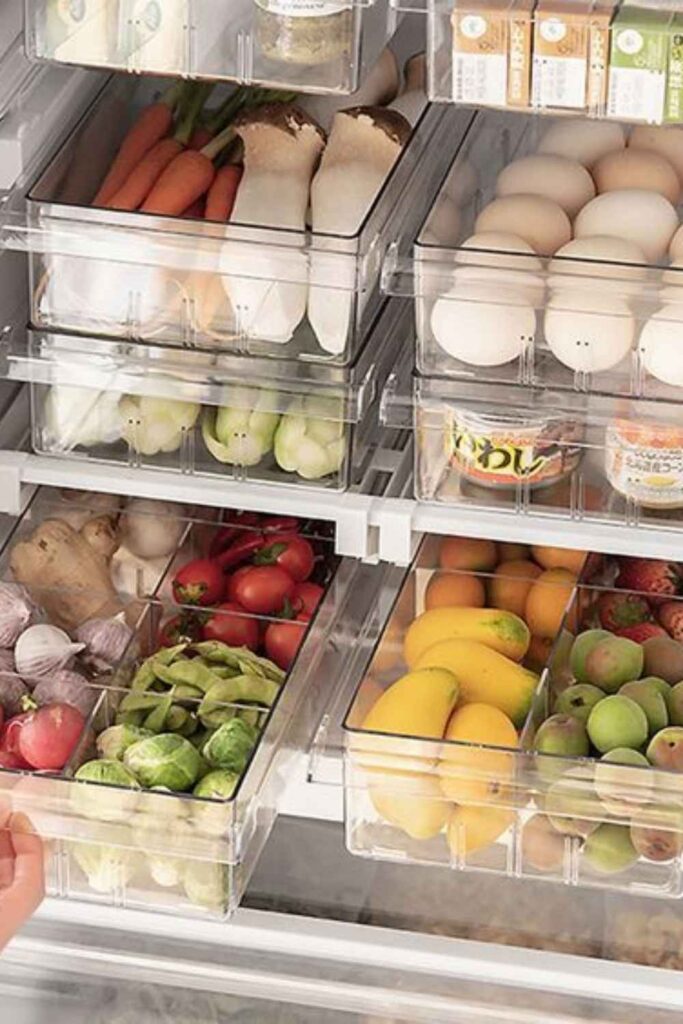
The freezer doesn’t work in isolation; it’s only as effective as the rest of your food storage system.
The fridge operates best at 37°F (3°C). Most people keep theirs too warm, which shortens shelf life significantly for dairy, leftovers, and fresh produce. A cheap fridge thermometer is a small investment that reduces food waste meaningfully over time.
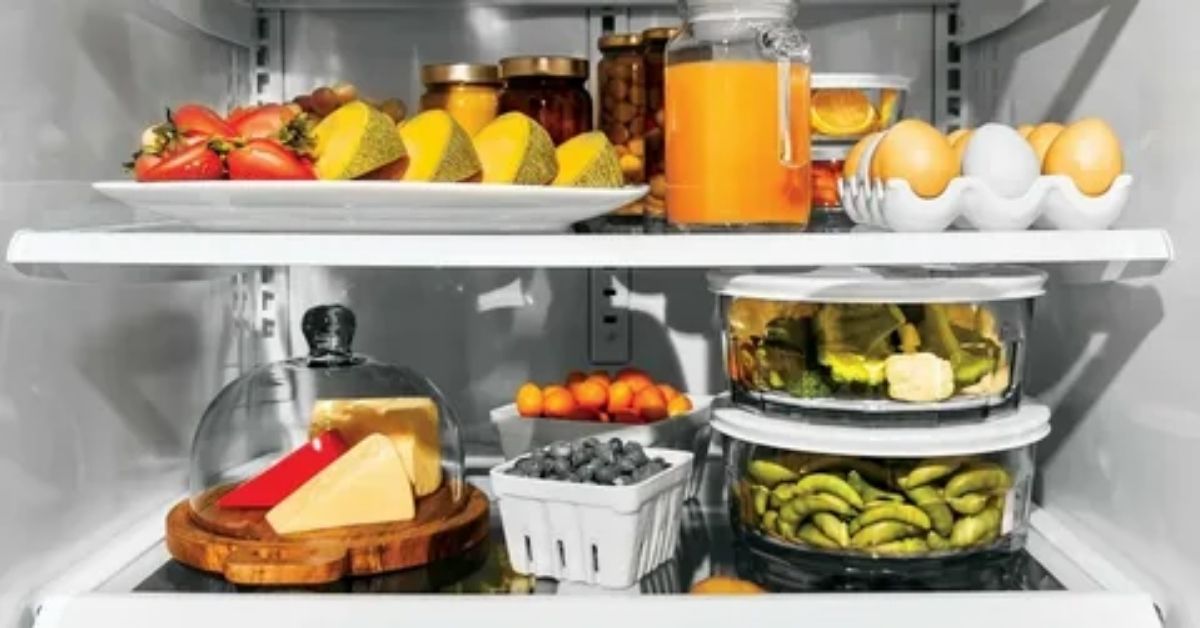
In the fridge, store raw proteins on the lowest shelf to prevent cross-contamination drip. Herbs last far longer wrapped loosely in a damp paper towel and stored in a tall glass of water treat them like flowers. Cheese stays fresh longer wrapped in wax paper or cheese paper rather than plastic, which traps moisture and accelerates mold.
In the pantry, the enemies are light, heat, and moisture. Canned goods, dried pasta, and grains should live away from the stove and oven not above them, where heat fluctuates constantly. Whole spices last 3–4 years; ground spices are largely flavorless after 18 months. If you can’t smell it when you open the jar, it’s not doing anything for your food.
Freezer Meal Assembly Sessions How Freezer Meal & Food Storage to Actually Set One Up
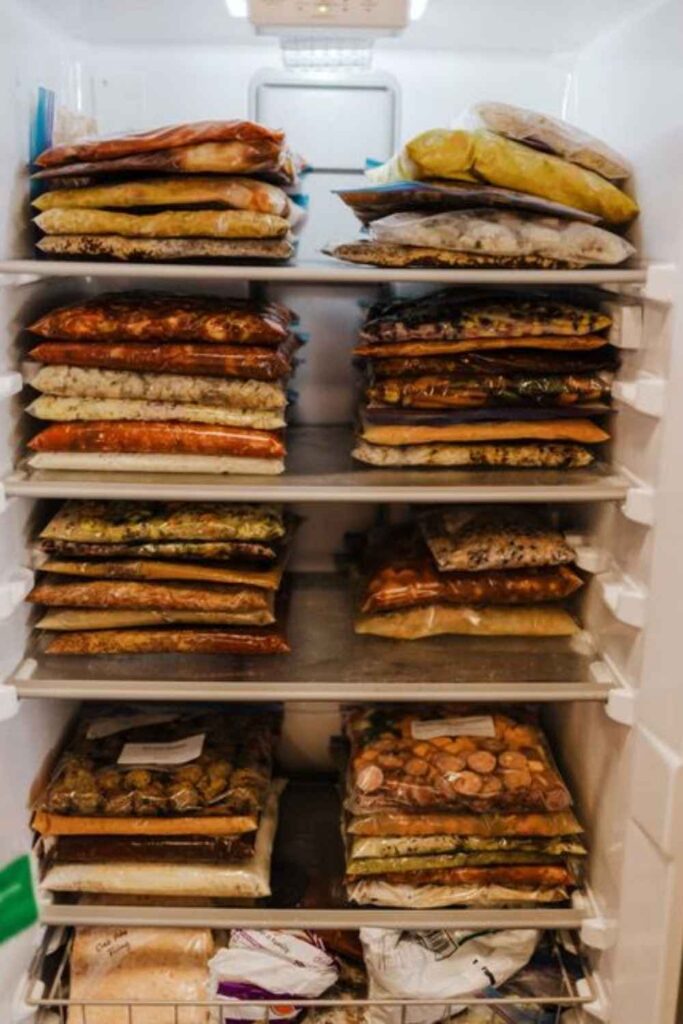
A “freezer meal prep session” sounds overwhelming. It doesn’t have to take a full Sunday.
Start a small commitment to stocking just 5–8 meals per session. Choose recipes that share ingredients to minimize the number of things you’re prepping. If you’re making a ground beef taco filling, a meat sauce, and a chili you’re browning the same protein three times. Consider browning a large batch of seasoned ground beef and dividing it between all three recipes before adding liquid components.
Workflow matters: chop all vegetables first, cook all proteins next, assemble and cool everything before bagging. Never bag or container hot food; it raises the internal temperature of your freezer and can create moisture that leads to ice crystals. Let everything cool to room temperature, then refrigerate briefly before freezing.
Good freezer meal categories to rotate soups and stews, marinated raw proteins, cooked grains, breakfast items (muffins, egg bites, burritos), and sauces. These freeze and reheat reliably. Avoid freezing cooked pasta, potatoes, or anything with a cream-based sauce you care about keeping smooth.[Pin Headline Beginner Freezer Meal Session Setup 5 Meals in 2 Hours]
The Meals That Hold Up Best After Freezing And the Ones to Skip
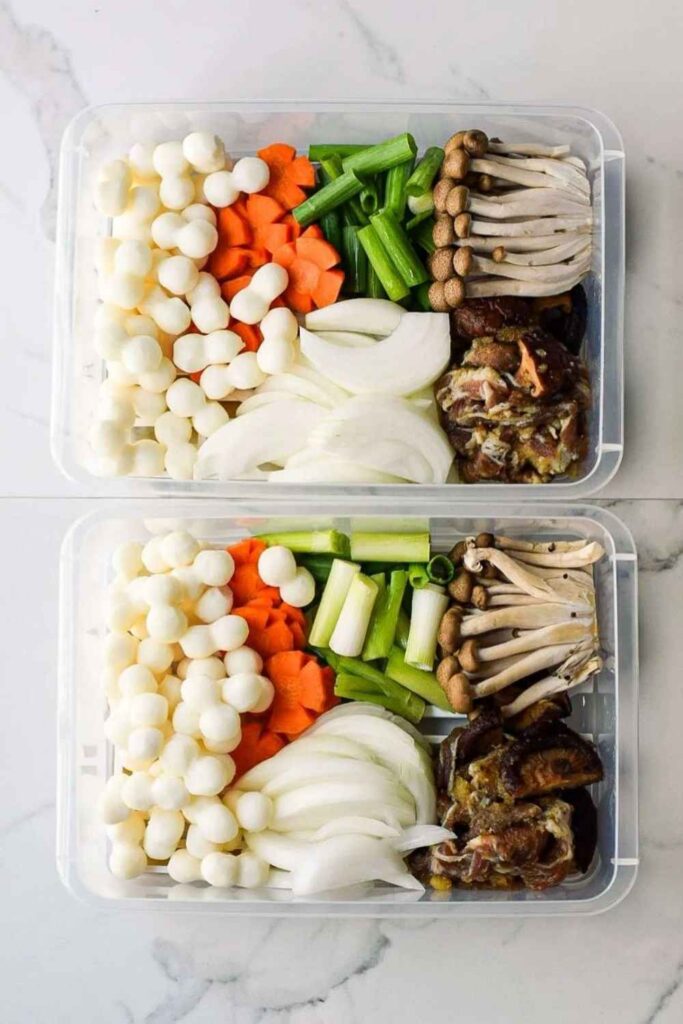
Not all recipes are freezer-friendly, and learning the difference saves a lot of disappointment.
Freezes exceptionally well Chili, beef stew, chicken soup, lentil soup, marinara sauce, lasagna, enchiladas, pulled pork, black bean burritos, turkey meatballs, banana bread, muffins, cookie dough balls, breakfast burritos, rice dishes.
Freezes with caveats Pasta (cook al dente or slightly under, freeze separately from sauce), casseroles with cream sauces (texture separates slightly on reheat whisk vigorously or accept the slight grainy quality), dishes with fresh herbs added before freezing (they lose brightness; better to add fresh at serving).
Skip the freezer entirely Anything with cooked hard-boiled eggs, raw salad greens, cucumbers or high-water-content vegetables uncooked, potato-based dishes (they go gummy and grainy), dishes with gelatin, or anything with fried components you want to stay crispy.
Labeling That Goes Beyond the Name and Date
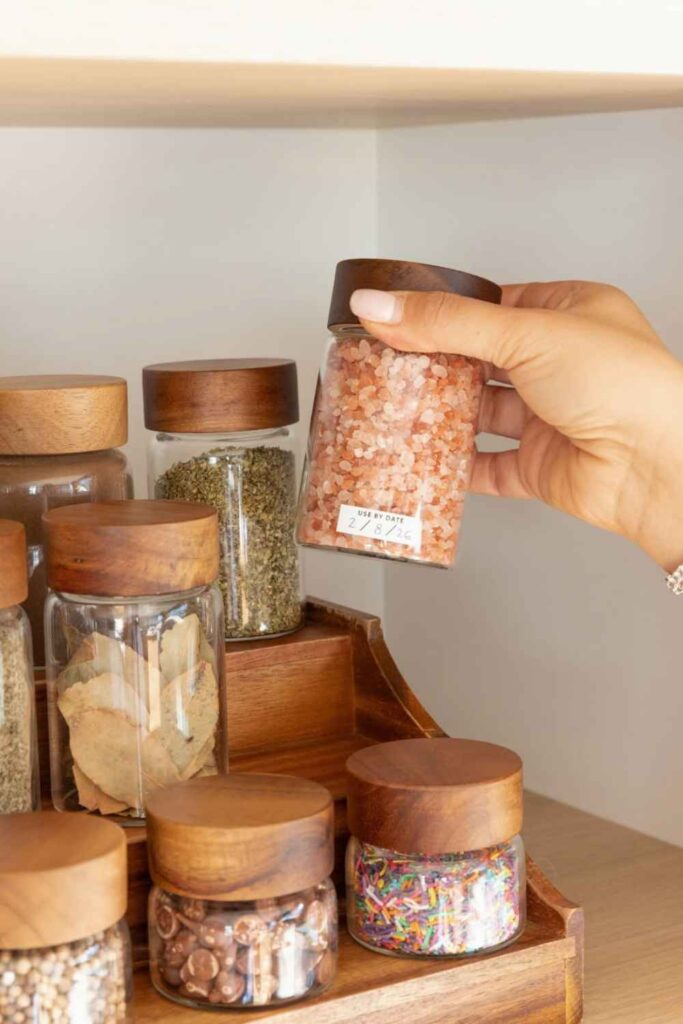
A freezer meal labeled “chicken soup – 10/14” is fine. A freezer meal labeled with reheating instructions on the container itself is better.
Add a short note directly on the label “Stovetop 15 min medium” or “Oven 350°F, 45 min covered.” Future-you, who is tired and hungry and doesn’t want to dig up a recipe, will be unreasonably grateful. This is especially useful if other people in your household reheat food independently, no more “I didn’t know how long to heat it.”
Include allergen notes if relevant, and note whether the item needs to thaw first or can go straight from frozen to cooking. These small details remove the friction that makes people reach for takeout instead of using the freezer food they worked to make.
Portion Strategy Stop Freezing by Recipe, Start Freezing by Occasion
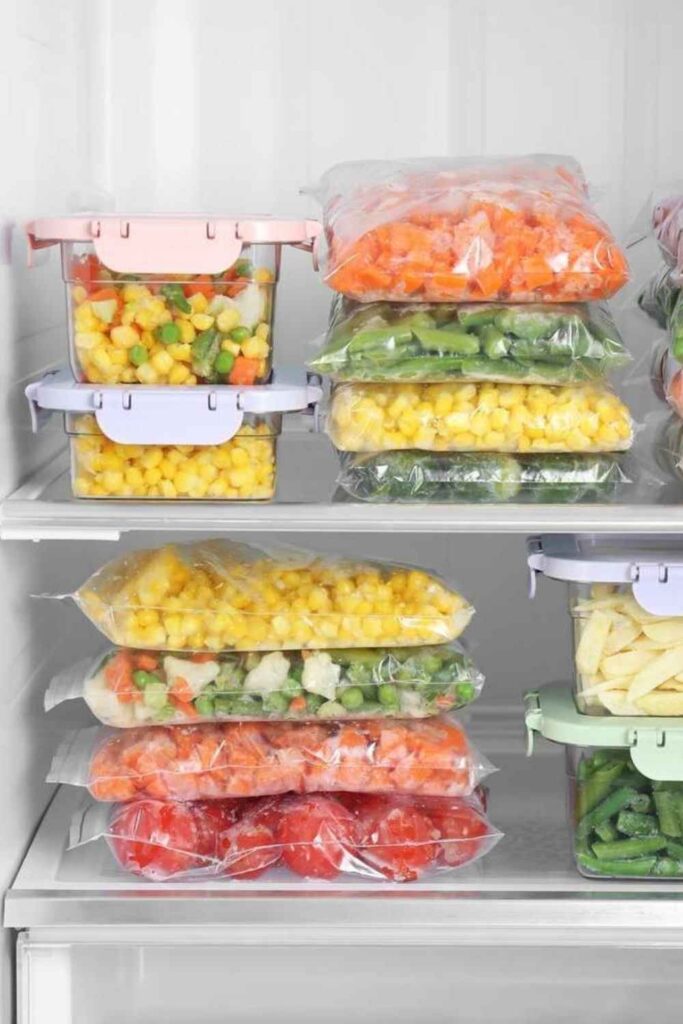
Most recipes make 4–6 servings. Most freezer guides tell you to freeze the whole batch together. That’s a mistake.
Think about your actual eating occasions before you portion. A household of two doesn’t need 6 servings of enchiladas defrosted at once. A family of four might want exactly that. Before you bag anything, decide is this a weeknight dinner for two? A lunch for one? A meal for the whole family with leftovers?
Portion by occasion, not by arbitrary serving counts. Two-serving containers for couples. Four-serving for family dinners. Individual serving cups for lunches, work meals, or kids’ food. This sounds obvious but almost no one actually does it until they’ve been frustrated by it a few times.
Food Storage Safety The Timelines Actually Worth Following
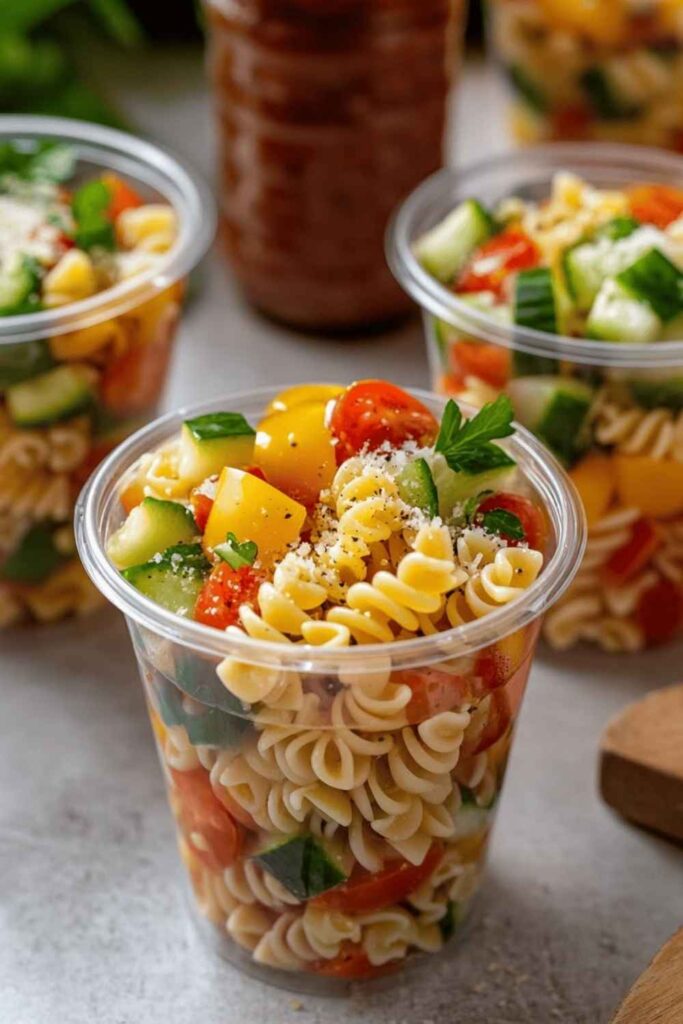
Frozen food doesn’t technically expire but texture, flavor, and nutritional quality all decline over time.
The practical freezer timelines cooked meals (soups, stews, casseroles) are best within 3 months and still fine at 6. Raw proteins last 6–12 months depending on the cut. Ground meat goes faster (3–4 months) than whole cuts like a whole chicken or pork shoulder (up to a year). Cooked proteins like pulled pork or meatballs are best within 2–3 months. Bread and baked goods 2–3 months for best quality.
The fridge has stricter limits; cooked leftovers are good for 3–4 days. Marinated raw meat should be cooked or frozen within 2 days. Fresh fish is ideally used within 1–2 days of purchase. These aren’t suggestions, they’re food safety baselines.
A simple rule: if you haven’t eaten it within a week in the fridge, freeze it that day, not in a few more days, not when you get around to it.
Quick Comparison Table Which Freezer Meal Type Is Right for Your Situation?
| Situation | Best Freezer Meal Type | Freeze Method | Thaw Method | Reheat Time |
| Busy weeknights (family) | Casseroles, lasagna | Baking dish, wrapped | Fridge overnight | 45 min at 350°F |
| Quick solo lunches | Soups, grain bowls | Individual jars/containers | Microwave | 3–5 min |
| Batch protein prep | Marinated raw chicken/beef | Zip bags, flat | Fridge overnight | Grill/roast fresh |
| Zero-effort breakfast | Egg muffins, burritos | Wrap individually | Microwave 60 sec | Ready to eat |
| Large group / hosting | Pulled pork, big chili batches | Gallon bags | Slow cooker from frozen | 6–8 hrs low |
| Toddler / kid meals | Meatballs, mini muffins, rice | Silicone cube trays | Fridge or microwave | 2–3 min |
Key Takeaways
Go with double-batch cooking if you want freezer meals without a dedicated prep session it’s the lowest-friction entry point.
Skip freezing cooked pasta and potato dishes unless you’re okay with a notably different texture on the reheat.
The best option for one-person households is to freeze in individual portions from day one you’ll actually use what you’ve made.
If you only do one thing, label containers with the reheating method, not just the date. It removes the barrier that makes people ignore frozen food.
Blanch your vegetables before freezing always. It’s a 10-minute step that makes the difference between food worth eating and food you throw out.
For food safety, move things to the freezer before day 4 in the fridge, not after. The habit saves money and reduces waste.
FAQ’s
Can you refreeze food that’s already been thawed?
It depends on how it was thawed. Food thawed safely in the refrigerator can be refrozen before cooking quality may decline slightly, but it’s safe. Food thawed in cold water or the microwave should be cooked before refreezing. Never refreeze food that was thawed on the counter at room temperature.
How do you prevent freezer burn on meals that will be stored for months?
The key is eliminating air contact. Vacuum sealing is the most effective method. Without a vacuum sealer, press all air out of freezer bags manually before sealing, use rigid containers filled to near capacity (leaving appropriate headspace for liquids), and consider double-wrapping items you plan to store longer than two months. Aluminum foil as an outer wrap over plastic or bags adds an extra air barrier.
Is it better to freeze food raw or cooked?
Both work and the answer depends on the food. Raw marinated proteins often freeze better than cooked ones because cooking a second time after thawing can lead to dryness. Dishes like soups, stews, and casseroles are best frozen fully cooked. The freezer-to-oven approach works well for casseroles: assemble raw, freeze, bake from frozen (adding 50% more time). Cooked grains freeze well and reheat quickly. Cooked eggs generally don’t freeze well. Scrambled eggs become rubbery; hard-boiled eggs become unpleasant.
Conclusion
The biggest thing to take from all of this a freezer meal system doesn’t require a perfectly organized life or a long weekend. It requires a clear labeling habit, a few good containers, and the mindset shift of doubling what you’re already making. Start there. The rest builds naturally.
Once you’ve got three or four reliable freezer meals stocked, you’ll stop dreading the days when cooking feels impossible because those days are already handled.