34 Grocery List and Budget Planning Habits That Actually Cut Your Bill in Half
You know that moment when you’re unpacking groceries, and you find three bags of shredded cheese in the fridge, two already open because you forgot you had any? Grocery List and Budget Planning Meanwhile, you somehow spent $180 on a “quick trip” to grab milk and pasta. That moment is the grocery budget’s natural enemy, and it’s more common than any budgeting app will admit.
The problem isn’t that people don’t care about saving money at the store. It’s that most grocery advice treats the symptom (the big receipt) instead of the cause (no system). A real grocery list isn’t just a collection of things you need, it’s a decision-making tool. And budget planning that actually works starts before you ever set foot in the store.
If your weekly grocery runs feel a little chaotic and your totals keep creeping up no matter what you try, this one’s for you.
Build a Tiered Grocery List, Not a Flat One
Most people write one undifferentiated list. Every item sits at the same priority level; the organic Greek yogurt gets the same visual weight as the dish soap. That’s the first structural mistake.
A tiered list separates your shopping into three categories: Must-Have (things you genuinely cannot go without this week), Plan-For (ingredients tied to specific meals you intend to cook), and Nice-to-Have (things that are good deals, seasonal finds, or restocking items). When your budget gets tight mid-shop and it will you already know what to cut.
This sounds simple. It is. But it’s the difference between leaving the store feeling in control versus leaving it wondering what happened to your $40. Most advice skips this because it’s unsexy. It’s also incredibly effective.
Do a Freezer and Pantry Audit Before Every Shop
The single most money-wasting habit in grocery shopping is buying ingredients you already own. It happens every week in millions of households. A can of chickpeas bought three times, a second bottle of cumin, and pasta that’s been living quietly behind the lentils for four months.
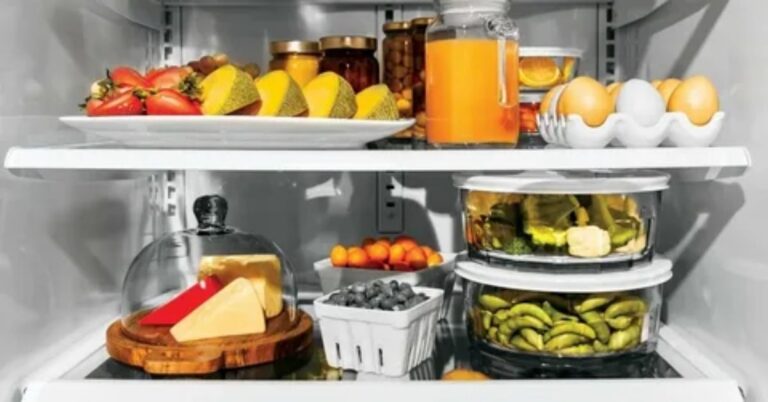
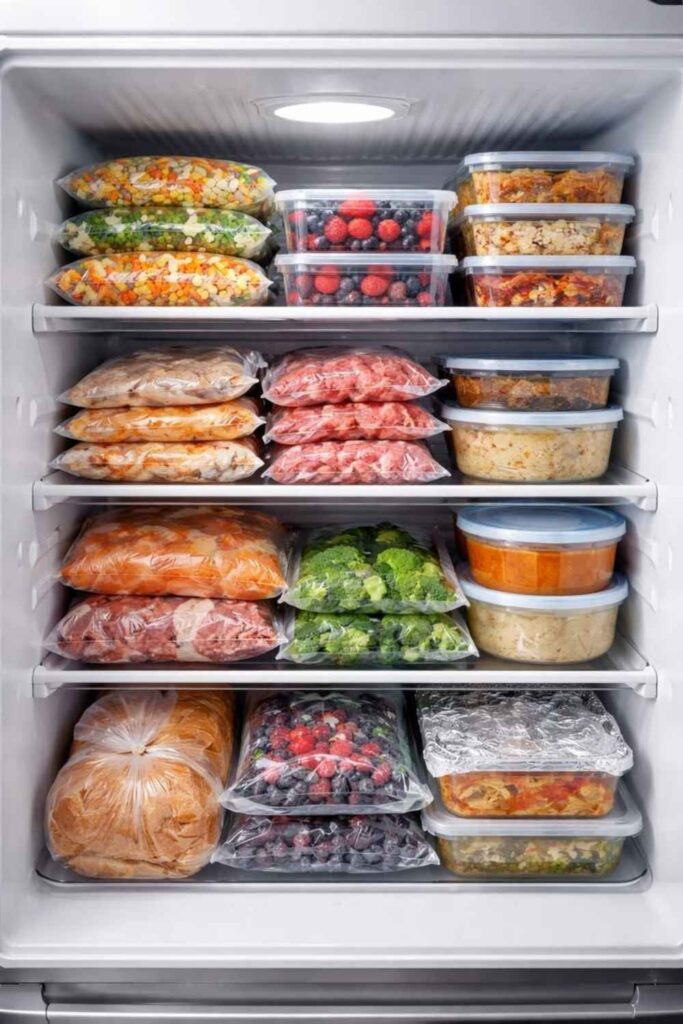
Spend five minutes before you write any list checking what you already have. Specifically: check the freezer (most people avoid this), check the back of shelves, and check the produce drawer for anything that needs to be used up this week. Build at least two meals around what you already own before you plan anything new.
This one habit alone can trim $20–40 from a typical weekly shop. Not by buying differently by buying less of what you already have.
Read More About:32 Easy Meal Prep Recipes for Fresh Weekly Lunches
Plan Meals Around Sales, Not the Other Way Around
Here’s the approach most meal planning guides get backwards: they tell you to plan your meals first, then check what’s on sale. Flip it. Check your store’s weekly circular first, then build your meals around proteins and produce that are already discounted.
If chicken thighs are $1.49/lb this week, make two or three chicken-based dinners. If bell peppers are on deep discount, that’s your vegetable this week stir fry, fajitas, roasted and tossed with pasta. You’re not compromising on meals; you’re letting the deals decide the menu.
The psychological shift is real: instead of feeling like the budget is restricting you, you start to feel like you’re playing the store’s game and winning.
Learn the Difference Between Unit Price and Shelf Price

This is the insight that grocery stores quietly count on you missing. The big 64oz bottle of olive oil looks expensive next to the 16oz version. But per ounce, the large bottle might be half the price. The “value” size isn’t always a value, and the “budget” option isn’t always cheaper per use.
Every major grocery chain is required to display unit price on shelf tags. Most people walk right past it. Start scanning the small print price per ounce, price per count, price per 100g before you grab anything. Your store brand isn’t automatically the best deal, and the bulk item isn’t always cheaper per unit.
One week of paying attention to unit prices tends to permanently change how you shop. It’s one of those things you can’t un-see.
Read More About:33 Weekly Meal Plans That Actually Work (No Burnout, No Waste)
Set a Per-Meal Budget,Grocery List and Budget Planning Not Just a Weekly Total
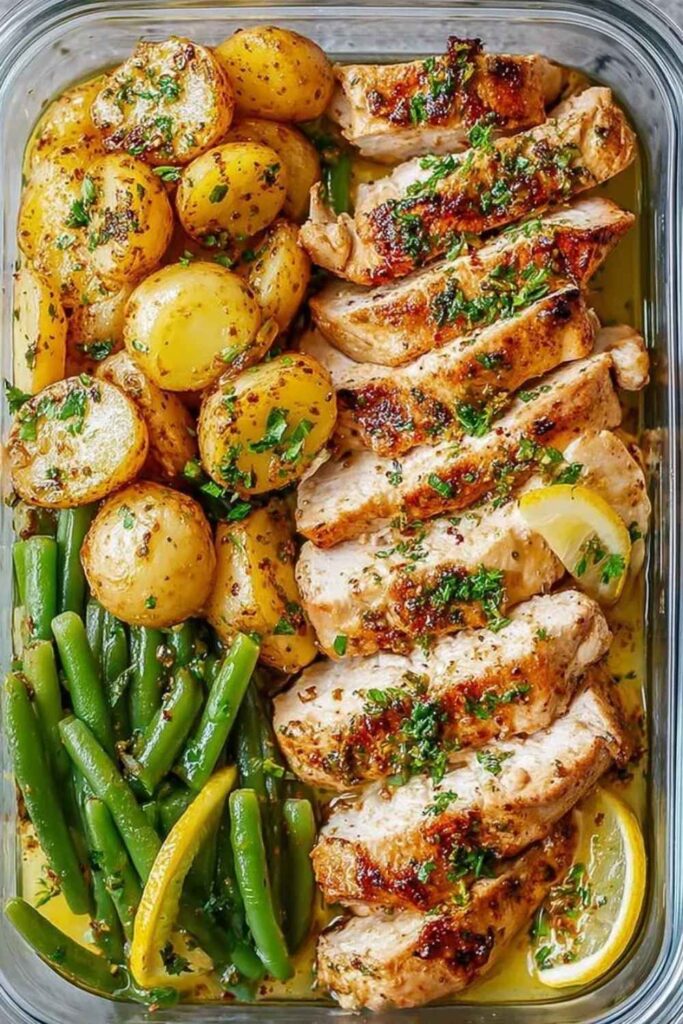
Most budget planners set a weekly number say $150 and then guess their way through the week hoping it works out. By Thursday, they’re doing mental math and choosing between a nice dinner and making the budget. A cleaner system: set a per-meal cost target.
Divide your weekly food budget by the number of dinners you’re cooking (and lunches if applicable). If your goal is $8 per dinner for a family of four, that becomes your filter when planning meals. A pasta dish with ground beef? Probably fits. A salmon fillet dinner for four? That might be a weekend-only meal.
This reframe makes the budget feel less like a restriction and more like a design constraint, something to plan around, not something that happens to you.
Write Your List in Store-Aisle Order

This sounds like a minor productivity tweak. It’s actually a spending habit. When you wander a grocery store without a plan, you drift through aisles you don’t need to be in, and stores are architecturally designed to encourage that. The bakery smell hits you first. The seasonal display is in your path. The “bonus buy” end caps are everywhere.
Writing your list in the order you naturally walk the store means you move through it efficiently and deliberately. You’re not lingering near the snack aisle because you need something from the next aisle over. If you shop at the same store weekly, this becomes second nature fast.
Bonus: you’ll also stop forgetting things and doubling back which is when most impulse buys happen.
Read More About:31 Weight Loss Meals That Actually Keep You Full (No Rabbit Food Required)
Batch Your Protein Purchases and Use the Freezer Aggressively
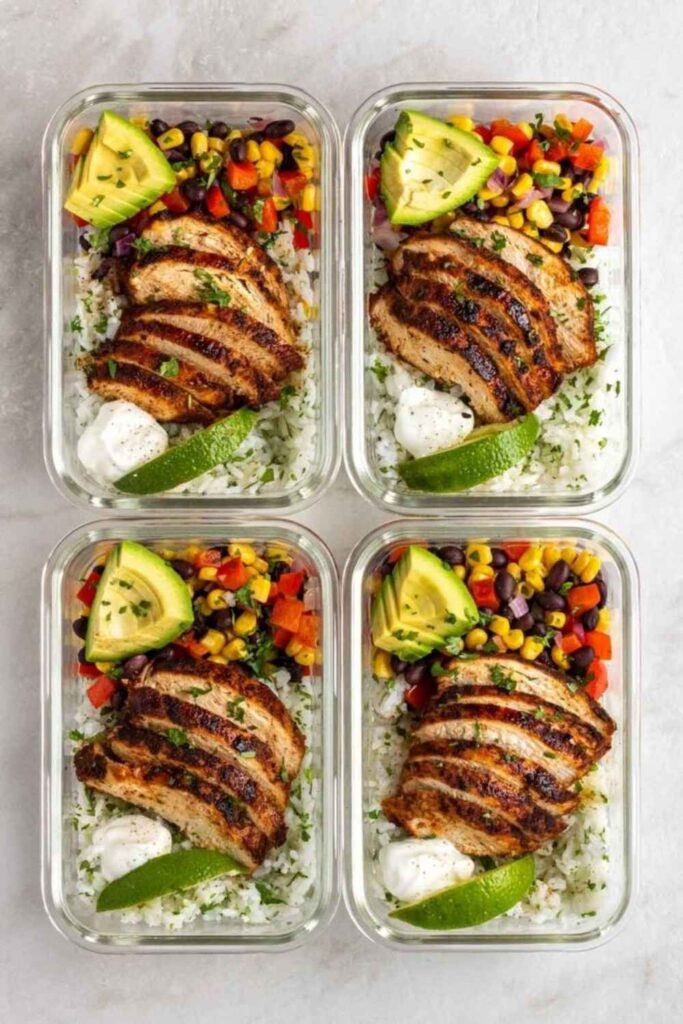
Protein is the biggest line item in most grocery budgets. It’s also the category with the most room to save if you’re willing to buy in slightly larger quantities and use your freezer strategically.
When ground beef or chicken breasts go on sale, buy enough for 2–3 weeks and freeze in meal-sized portions. Label everything with the date and what it’s intended for. The freezer isn’t just storage, it’s a price-lock. You’re buying at the sale price and using it whenever you need it.
IMO, the freezer is the most underused budget tool in most kitchens. A well-stocked, well-organized freezer can meaningfully reduce your weekly shopping trips and the impulse buys that come with them.
Track Your “Forgotten” Categories
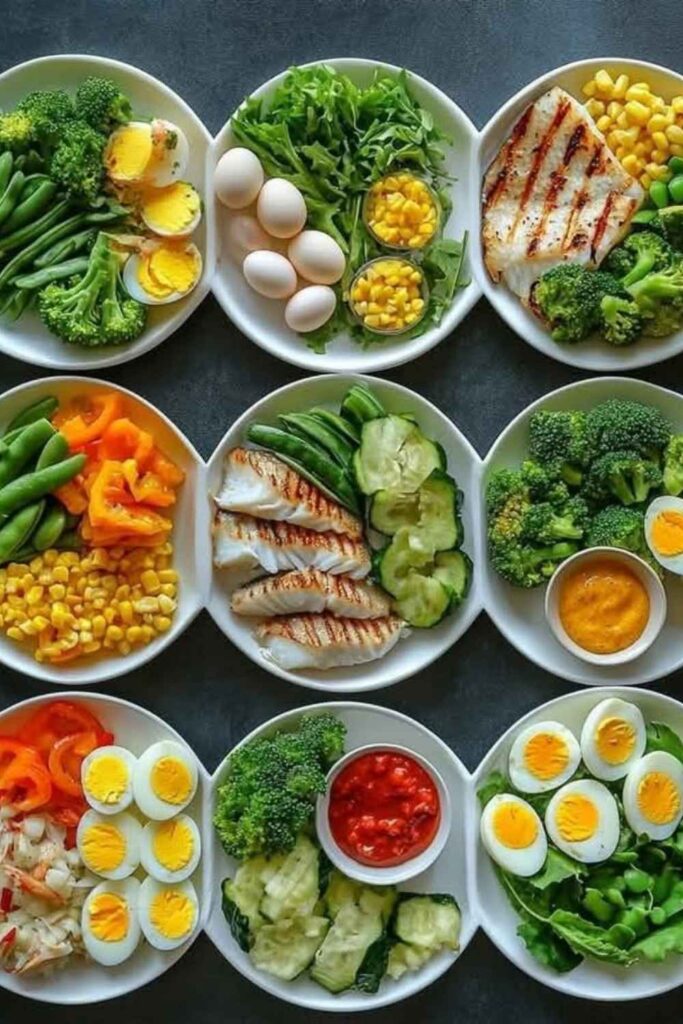
Most budget tracking focuses on the big-ticket items: meat, produce, specialty ingredients. But the categories that silently wreck grocery budgets are the ones people treat as afterthoughts: snacks, beverages, condiments, cleaning supplies, and personal care items that end up in the cart at the grocery store.
Start tracking these separately for two weeks just write them down, you don’t need an app. Most people are genuinely surprised by what they spend on sparkling water, chips, salad dressing, and the random “while I’m here” items that feel small at the moment.
Awareness doesn’t mean cutting everything. It means making deliberate choices. If $20/week on snacks is where your joy lives, own it. Just know it’s there.
Shop Seasonally for Produce and Actually Know What’s in Season
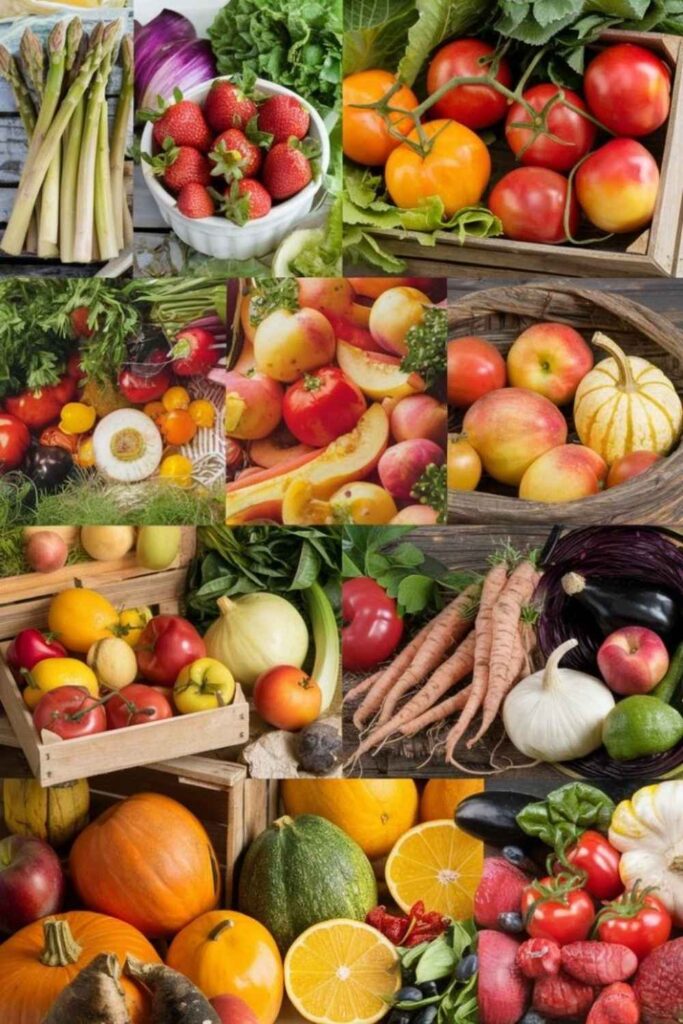
Buying strawberries in December feels like a reasonable choice. In reality, you’re paying a premium for produce that was shipped from far away, tastes mediocre, and has a shorter shelf life once it’s home. Seasonal produce is cheaper, tastier, and lasts longer a rare case where budget and quality align.
A quick online search for “what’s in season [your region] [month]” takes thirty seconds and can genuinely reshape your produce section choices. Spring means asparagus and peas. Summer is tomatoes and zucchini. Fall is squash and root vegetables. Winter is citrus and hearty greens.
Bonus: seasonal vegetables are usually the ones on the biggest discounts at your local store that week the supply chain works in your favor.
Never Shop Hungry But Also Never Shop Rushed

“Don’t shop hungry” is advice everyone has heard. Fewer people talk about the equally dangerous state of shopping while rushed. When you’re in a hurry, you grab the first thing you see that fits your mental image of what you need. You skip price comparisons. You skip checking what you have at home. You just get through it.
Both states hungry and rushed lead to the same outcome: an expensive, slightly chaotic cart that doesn’t reflect what you actually planned. Whenever possible, shop after a meal with thirty minutes of actual time. It sounds indulgent. It saves real money.
If time genuinely isn’t available, a detailed list organized by aisle becomes even more important; it’s what lets you move quickly without making expensive guesses.
Use a “Rolling Pantry” System to Stop Over-Buying Staples

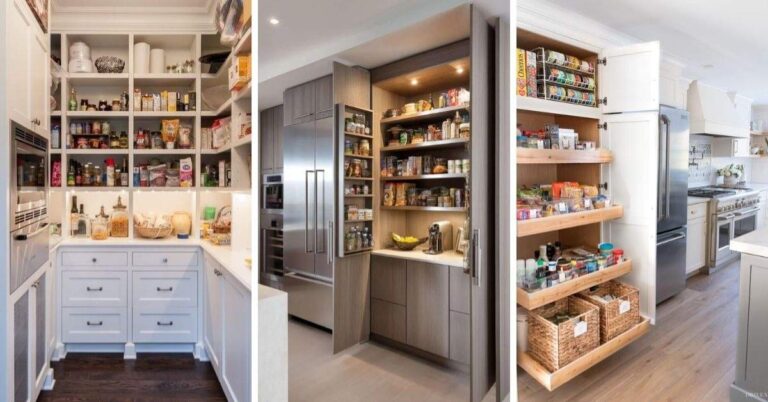
The rolling pantry approach works like this: keep a running note (paper or phone) of pantry staples you’re running low on, not out of, but low on. Buy one replacement before you’re empty. Never buy two of something you still have plenty of.
This prevents the “just in case” buy, which is one of the most common sources of pantry clutter and budget waste. You buy a backup can of tomatoes because you’re not sure if you have one at home. You have four. This scales up fast with every pantry item.
A rolling list also means you’re never scrambling to finish a recipe and realizing you’re out of something. The pantry stays functional without becoming a storage problem.
Try a “No-Spend Pantry Week” Once a Month

Once a month or even once every six weeks challenge yourself to cook exclusively from what you already own, with only fresh produce purchases allowed. This forces creativity, clears out the pantry, and gives you a week where grocery spending drops dramatically.
It also teaches you what you actually cook versus what you buy with good intentions. If those red lentils have been sitting untouched for three months, a no-spend week is when you figure out why and whether they belong on future grocery lists.
Most households find they can stretch a surprisingly full pantry further than they expect when they’re motivated to actually use it.
Compare Store Formats, Not Just Store Brands
Most budget conversations focus on choosing store-brand products over national brands. That’s real savings but it’s the second move, not the first. The first move is figuring out whether you’re shopping in the right store format for your needs.
Warehouse clubs (like Costco or Sam’s Club) make mathematical sense for large families or households that can actually use bulk quantities before expiration. Discount grocers like Aldi or Lidl beat conventional supermarkets on most staples without requiring bulk. Ethnic grocery stores frequently have the lowest prices on produce, rice, legumes, and spices in most cities.
Splitting your shopping across two or three store types: a discount grocer for staples, a conventional store for specifics, a farmers market occasionally for seasonal produce is annoying logistically but can cut your monthly grocery bill by 15–25% compared to doing everything at one full-service supermarket.
Revisit and Adjust Your Budget Every Month
A grocery budget set in January shouldn’t look identical in July. Prices shift inflation, seasonal supply, regional factors and your household needs shift too. A budget that fit perfectly when you were cooking for two might need recalibration when a family member’s schedule changes, or when a new season brings different produce prices.
Spend fifteen minutes at the end of each month looking at your actual grocery spending versus your target. Note where the overruns happened. Was it produced? Protein? The snack category again? Small monthly reviews prevent the gradual budget creep that most people only notice after six months of wondering why they feel so broke.
This doesn’t need to be elaborate. A notes app with a few numbers is enough.
Leave Intentional “Flex” Money in Every Weekly Budget
Most budget plans fail because they’re built on perfect execution. They assume every meal gets cooked as planned, nothing goes bad, no one needs an extra snack run, and life is entirely predictable. It isn’t.
Build a 10–15% flex buffer into your weekly grocery budget money that exists specifically for the random extra onion, the forgotten condiment, or the week when the chicken thighs you planned around are sold out and you need to pivot. This isn’t “giving up” on the budget. It’s designing a budget that can handle real life without derailing.
The flex money that goes unspent? It rolls into next month’s buffer, or it becomes the fund for a slightly nicer ingredient here and there. Either way, it makes the whole system sustainable.
Grocery List & Budget Planning: Quick Comparison Table
| Strategy | Best For | Saves Most On | Time Investment | Difficulty |
| Tiered grocery list | Everyone | Impulse buys | 10 min/week | Easy |
| Pantry audit | Families, meal planners | Duplicate purchases | 5 min/week | Easy |
| Sale-first meal planning | Flexible cooks | Protein + produce | 15 min/week | Moderate |
| Unit price comparison | Detail-oriented shoppers | Packaged goods | In-store habit | Easy once learned |
| Freezer protein batching | Families, bulk shoppers | Weekly protein costs | Monthly prep | Moderate |
| Multi-store format shopping | Time-flexible households | Staples overall | Extra shopping trip | Moderate |
| No-spend pantry week | Pantry hoarders, over-buyers | Total weekly spend | One week/month | Low effort, high reward |
| Per-meal budget target | Anyone who overspends | Menu planning decisions | 20 min/month | Easy |
Key Takeaways
Start with a tiered list if you impulse-buy it gives you a built-in cut hierarchy when the budget gets tight.
Do a pantry and freezer audit first if your grocery bill is high but you can never find anything to eat at home.
Flip your meal planning process (sales first, meals second) if your protein costs are consistently blowing the budget.
Skip the warehouse club if you live alone or can’t consistently use bulk quantities the savings don’t apply if half goes to waste.
The no-spend pantry week is the fastest way to see a meaningful monthly drop in grocery spending, with zero extra planning required.
Build the flex buffer if you’ve tried grocery budgets before and they’ve always fallen apart by Thursday the problem was probably the lack of margin, not lack of discipline.
Frequently Asked Questions
How much should a realistic weekly grocery budget be per person?
This varies significantly by region and diet, but a practical general range for one adult in the U.S. is $60–$100 per week for a mixed diet of home-cooked meals, with lower figures achievable through strategic use of staples, seasonal produce, and discount store formats. Families often benefit from economies of scale once bulk purchasing makes practical sense.
Is it actually worth driving to multiple grocery stores to save money?
Usually only if the stores are close together or already part of your normal route. The savings from splitting staple shopping (discount grocer) and specialty items (conventional supermarket) can be meaningful 15–20% monthly but the benefit disappears if the time cost or gas spending is significant. For most people, one discount grocer for the bulk of their shopping plus a second store for specific items is the sweet spot.
Does meal prepping actually save money, or does it just save time?
Both, but the money savings are more indirect than most people expect. Meal prepping saves money primarily by reducing the frequency of “I have nothing to eat, I’ll just order something” decisions which are the real budget destroyers for most households. The prepped food itself isn’t always cheaper per meal than cooking fresh. The savings come from the friction reduction on weeknight decisions.
Conclusion
A grocery list that actually works isn’t a simple piece of paper, it’s a decision-making system you build once and use every week. The budgeting strategies that stick long-term are the ones that account for real life: the rushed Tuesday, the pantry full of things you forgot you owned, the week where the chicken thighs are sold out. Building flexibility and structure into the same system is what makes it sustainable past the first week.
The single most impactful shift? Start the planning process with your pantry and the weekly sales circular, and let those two things drive what you cook rather than working backward from recipes you found online. Everything else flows from that.