35 Kitchen Hacks & Cooking Tips That Actually Change How You Cook 2026
You know that moment when you’re halfway through a recipe, the onions are burning, you can’t find the lid to that one pan, and somehow it’s already been 45 minutes? Yeah. That’s not a skill problem, that’s a setup problem.
Most kitchen struggles come down to not knowing a handful of techniques that professional cooks treat as second nature. Kitchen Hacks & Cooking Tips The kind of stuff nobody teaches you unless you’ve worked in a restaurant or had a very patient grandmother. These aren’t gimmicks. They’re the small shifts that turn cooking from stressful into actually enjoyable.
If your weeknight dinners feel harder than they should, or you keep wasting groceries and wondering why your food doesn’t taste like the recipe promised, this list is for you.
Bloom Your Spices Before You Actually Need Them
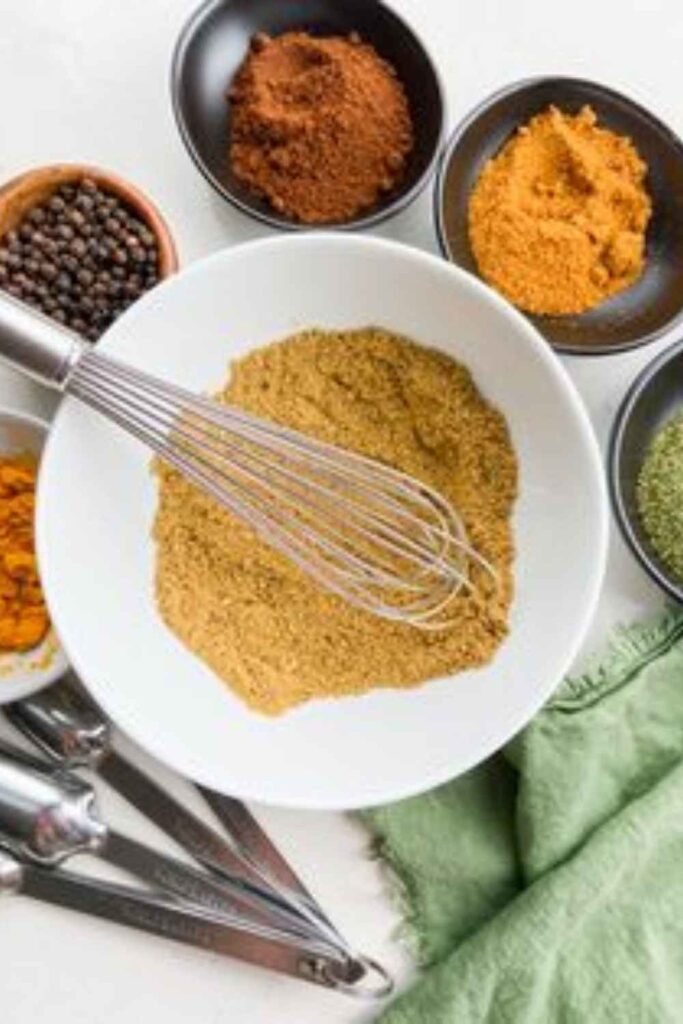
Most home cooks add dried spices directly to a sauce or soup and call it a day. The problem? Dried spices need heat contact to release their volatile oils, the compounds responsible for depth, warmth, and that complex aroma that makes a dish smell like it cooked for hours.
Toast whole or ground spices in a dry pan for 30 to 60 seconds, or bloom them in warm oil or butter before adding any liquid. You’ll notice the difference immediately: the kitchen will smell intensely fragrant, which means the flavor is activating instead of sitting flat in your pot.
The mistake to avoid: don’t bloom spices in cold oil. The oil needs to be warm enough to sizzle gently when the spice hits it. Too cool and nothing happens; too hot and they turn bitter.
The Cold Pan Rule for Garlic And Why You’re Probably Starting Too Hot
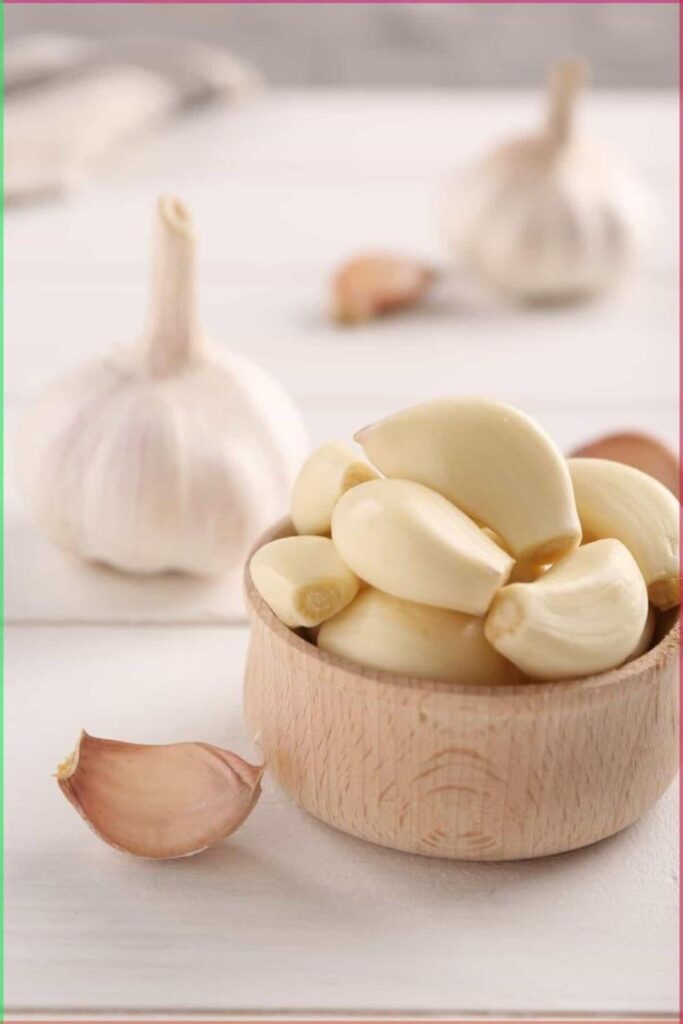
Here’s a tip most recipes skip entirely: start garlic in a cold pan with cold oil, then turn on the heat together. As the pan warms up, the garlic gently infuses the oil before it ever gets the chance to burn.
Garlic has a notoriously thin margin between golden and scorched. Starting cold gives you control over that margin especially useful when you’re multi-tasking and can’t hover over the stove. The infused oil carries that flavor into everything else you add.
This works beautifully for chili flakes, whole spices like coriander seeds, and anchovies too. Anything you want to melt into the background flavor of a dish rather than sit on top of it.
Read More About:34 Grocery List and Budget Planning Habits That Actually Cut Your Bill in Half
Salt in Layers, Not Just at Kitchen Hacks & Cooking Tips the End
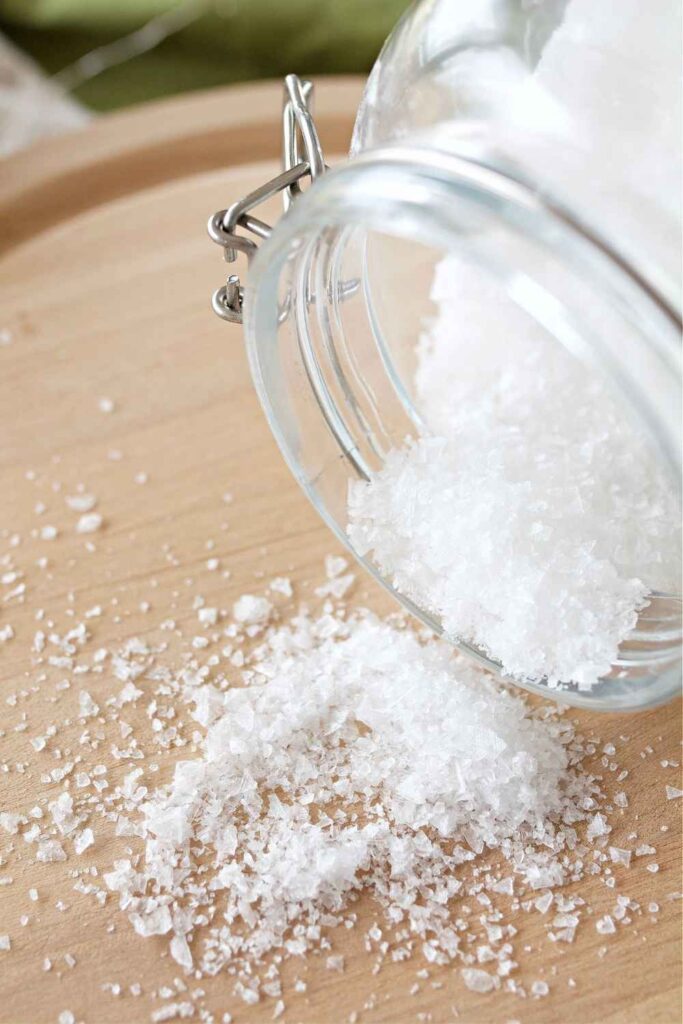
If your food consistently tastes like something’s missing even when you salt it at the table this is likely why. Salting at the end seasons the surface. Salting throughout cooking seasons the structure.
Add a small pinch when onions go in, another when tomatoes are added, a bit more when liquid is introduced, and adjust at the end. Each ingredient absorbs salt differently depending on when it’s added and how it’s cooked. An onion salted early will caramelize differently than one salted late. A pasta water that “tastes like the sea” (yes, really far saltier than you think) produces noodles that are seasoned from within.
This single adjustment is responsible for most of the gap between home cooking and restaurant food. Not butter. Not fancy ingredients. Salt timing.
Use a Wet Paper Towel to Keep Herbs Fresh for 2+ Weeks
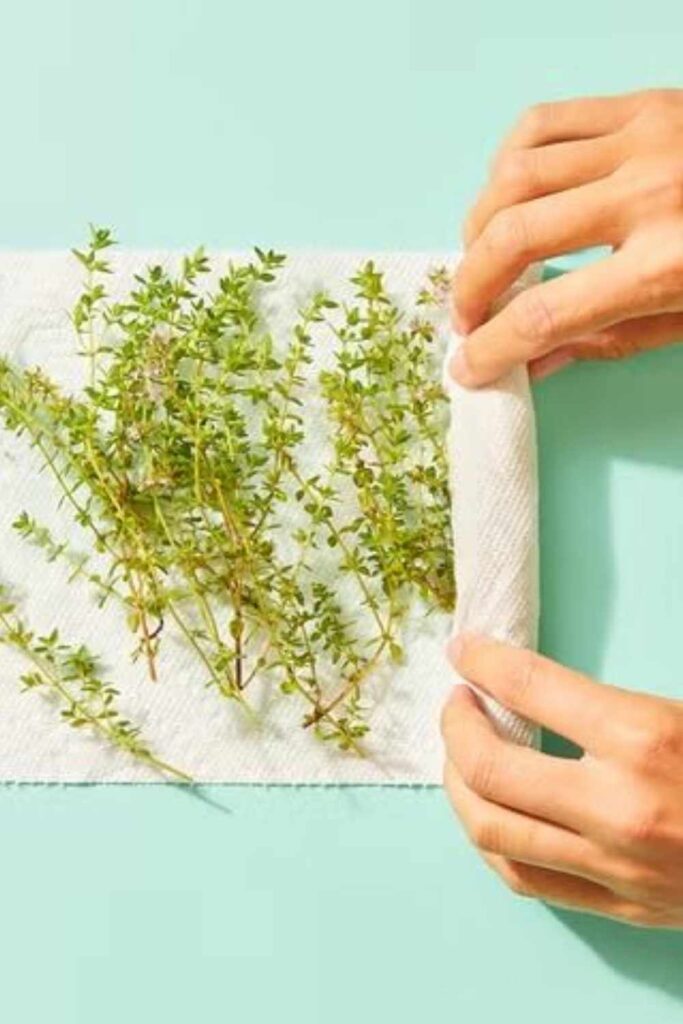
Fresh herbs are notoriously expensive and fast to die. Most people stuff them into a bag or jar and accept the inevitable wilting within four days.
Instead: trim the stems like you would flowers, place in a glass with an inch of water, loosely drape a damp paper towel over the top, and refrigerate. Cilantro, parsley, and mint stored this way can last two to three weeks easily. Basil is the exception. It hates cold, so keep it at room temperature on the counter with a light cover.
The damp towel controls humidity without waterlogging the leaves. It’s the same reason florists wrap stems in wet paper before shipping.
Read More About:33 Weekly Meal Plans That Actually Work (No Burnout, No Waste)
Rest Your Meat But Rest It Properly
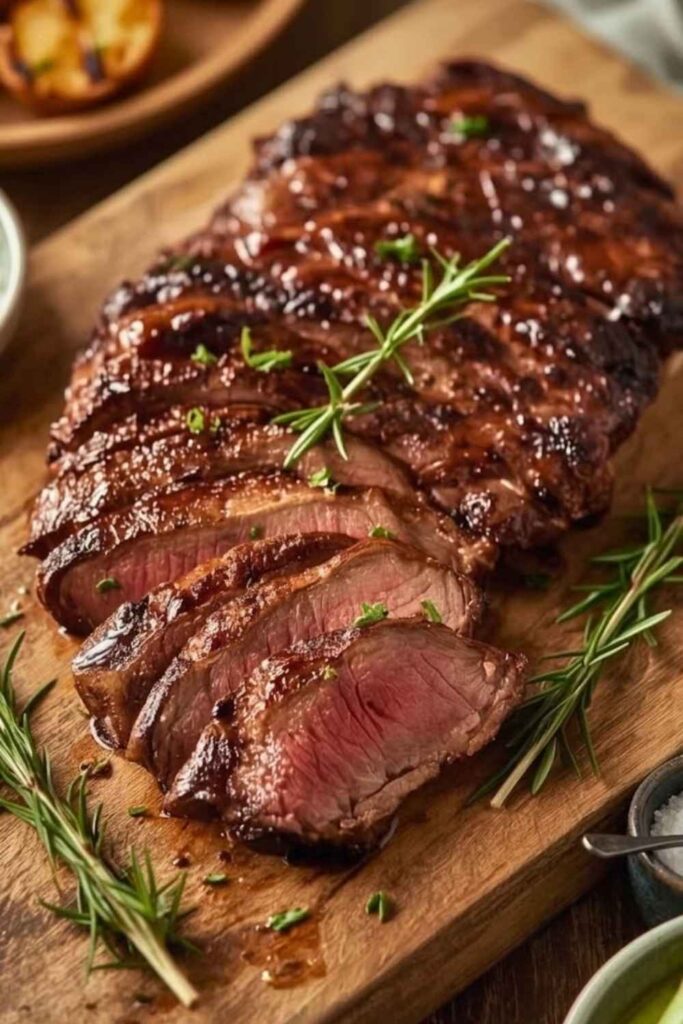
Everyone says “let the meat rest.” Almost nobody explains how to do it without it going cold and sad on a cutting board.
Tent the meat loosely with foil not wrapped tightly and rest it on a warm plate or a cooling rack set over a baking sheet. The rack prevents the bottom from steaming and softening the crust. The loose foil traps just enough ambient heat without creating condensation that ruins texture.
Resting time is roughly 5 minutes per inch of thickness for steaks and chops, 15–20 minutes for a whole chicken or pork loin. The internal temperature will actually continue rising 5–10°F during this time (called carryover cooking), which is why you pull things off heat slightly before your target temp.
Freeze Ginger, Garlic, and Lemongrass for Instant Prep
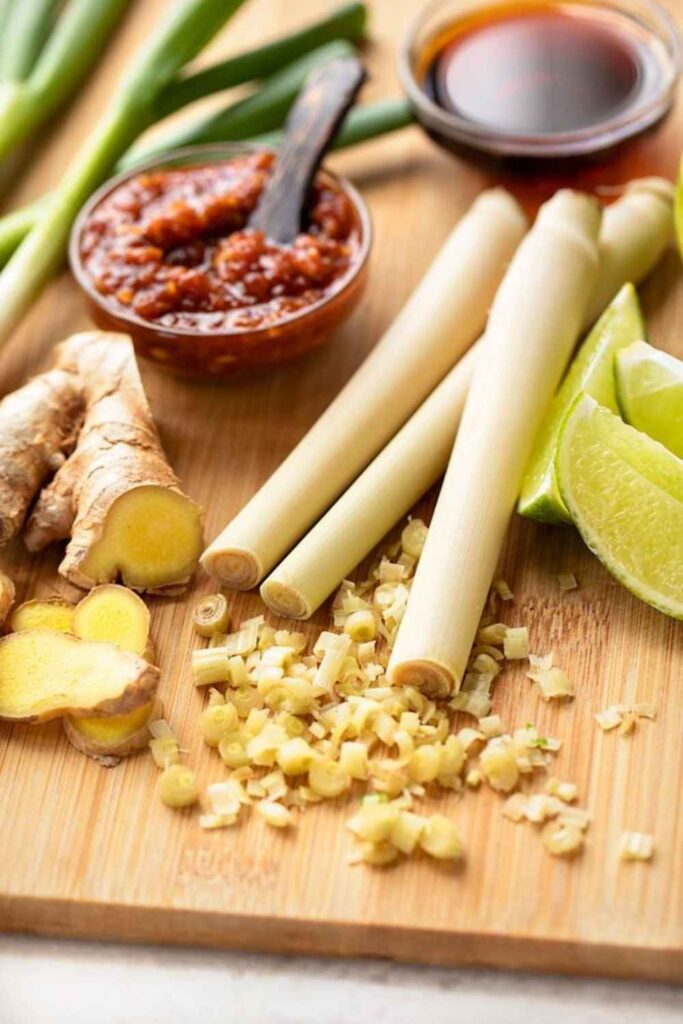
Peel and freeze ginger whole. When you need it, grate it directly from frozen no more fighting the fibrous strings, no more staining your cutting board. It grates like a dream, nearly twice as fast as fresh, and the flavor is identical.
The same principle applies to garlic cloves (freeze peeled, grate or slice from frozen) and lemongrass stalks (freeze whole, slice off what you need). You eliminate the prep friction that stops you from adding these aromatics on a Tuesday night when you’re tired.
Frozen ginger also keeps for three months versus fresh ginger’s one to two weeks in the fridge. Honestly, it’s a better product for most purposes.
Read More About:32 Easy Meal Prep Recipes for Fresh Weekly Lunches
Deglaze the Pan That’s Where the Flavor Hides
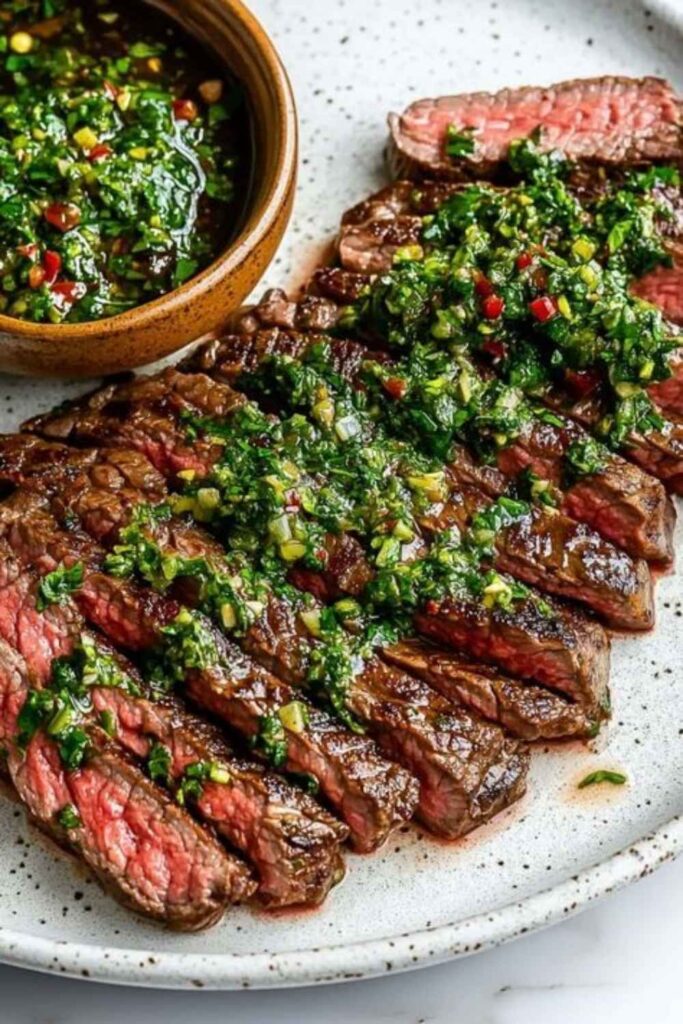
After searing meat or sautéing vegetables, there’s a layer of brown, sticky residue at the bottom of the pan. Most people either skip it or scrub it away. That layer called fond has a concentrated, caramelized flavor, and it’s yours for free.
Add a splash of wine, stock, water, or even beer while the pan is still hot, then scrape with a wooden spoon. The liquid lifts everything and incorporates it into whatever sauce or base you’re building. This is the foundation of most French pan sauces and countless braises.
The ratio doesn’t need to be precise. Even two tablespoons of liquid deglazes a small skillet. The key is adding it while the pan is genuinely hot, not after it’s cooled down and the fond has hardened.
The Mise en Place Mindset Even If You Don’t Speak French
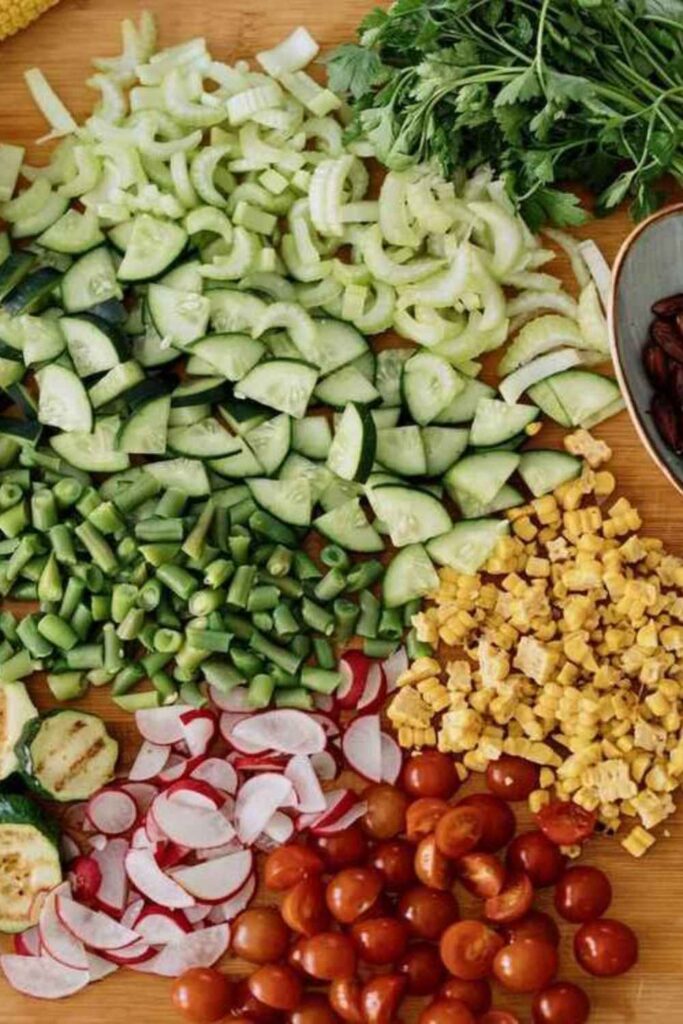
Mise en place is a chef term for having everything prepped and in place before you start cooking. Vegetables chopped, spices measured, proteins out of the fridge. It sounds laborious until you realize it’s the entire reason restaurant cooks look calm and home cooks look frantic.
You don’t need to be rigid about it. Just prepare the things that take the longest first aromatics, hard vegetables, proteins and measure liquids into cups before you start the stove. The first time you do this, you’ll notice cooking feels completely different. Less reactive, more like following a choreography you already know.
It’s also the single best food safety habit, since cold proteins come to room temperature while you prep, cooking more evenly as a result.
Pasta Water Is a Sauce Ingredient, Not Waste
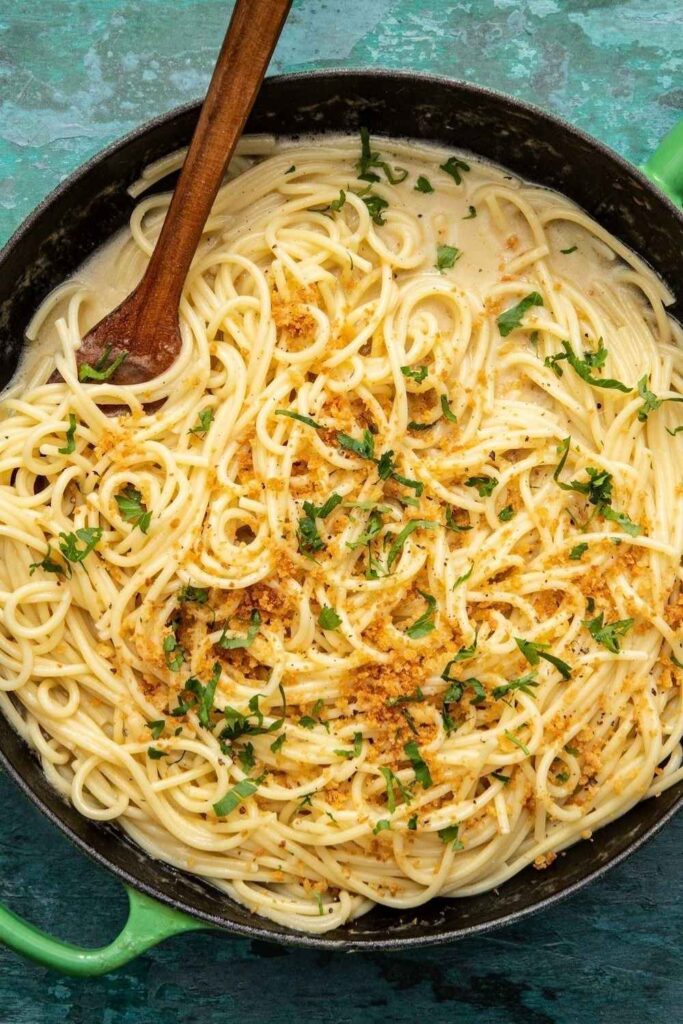
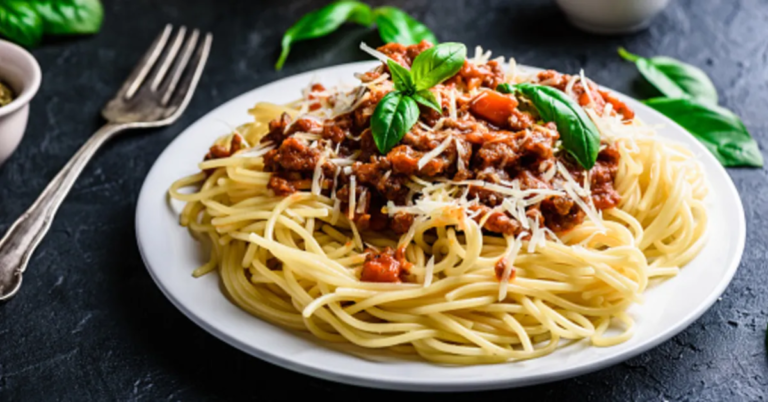
The starchy, salty water left from boiling pasta is one of the most underused ingredients in home cooking. Adding a quarter cup to your sauce while tossing pasta loosens the texture, helps it cling to every noodle, and creates a glossy emulsification that no amount of olive oil alone achieves.
Scoop out at least a full cup before you drain it’s easy to forget once the pot is over the sink. The starch content is highest right before draining, after the pasta has been cooking for several minutes.
This is the reason restaurant pasta has that silky, cohesive quality that most homemade versions lack despite using the same ingredients. It’s not magic. It’s pasta water.
Use a Thermometer Instead of Guessing
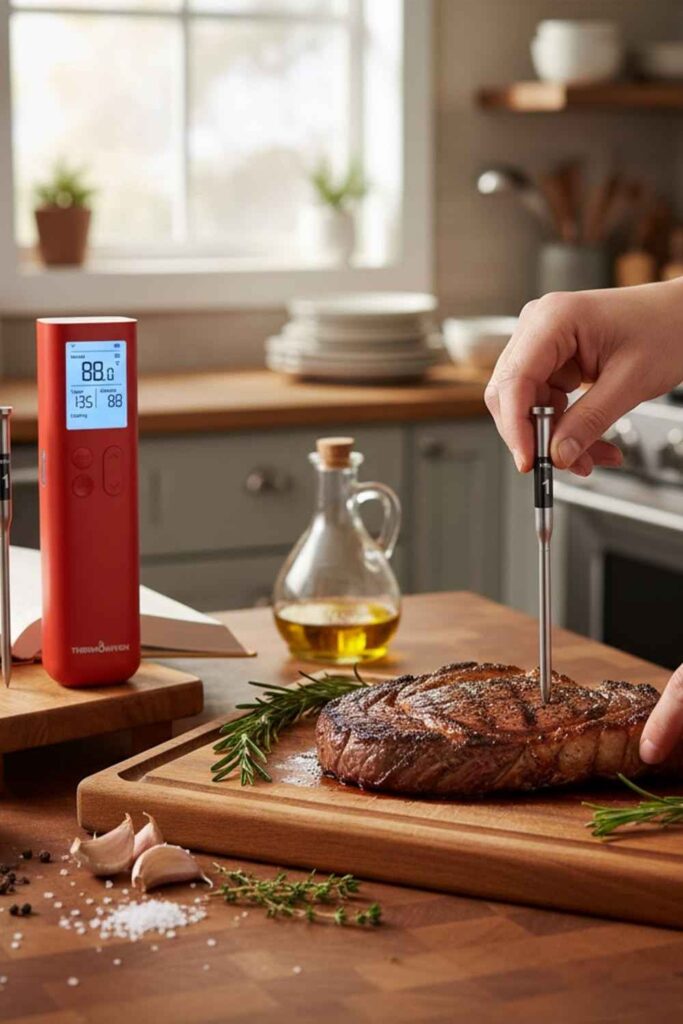
IMO, a $15 instant-read thermometer is the highest-ROI kitchen purchase most people aren’t making. It removes the guesswork from chicken (165°F), pork (145°F), and steak (130–135°F for medium-rare) entirely.
More importantly, it helps you stop overcooking out of fear. Most dry, flavorless chicken is overcooked chicken cooked to 175–185°F because the cook wasn’t sure and kept it on longer “just in case.” A thermometer eliminates that caution-driven overcooking and transforms your results within the first use.
Works for baking too. Bread is done at 190–200°F internal. Custards set at 170°F. These aren’t trivia, they’re repeatable, reliable results.
Make a Flavor-Layered Compound Butter and Keep It in the Freezer
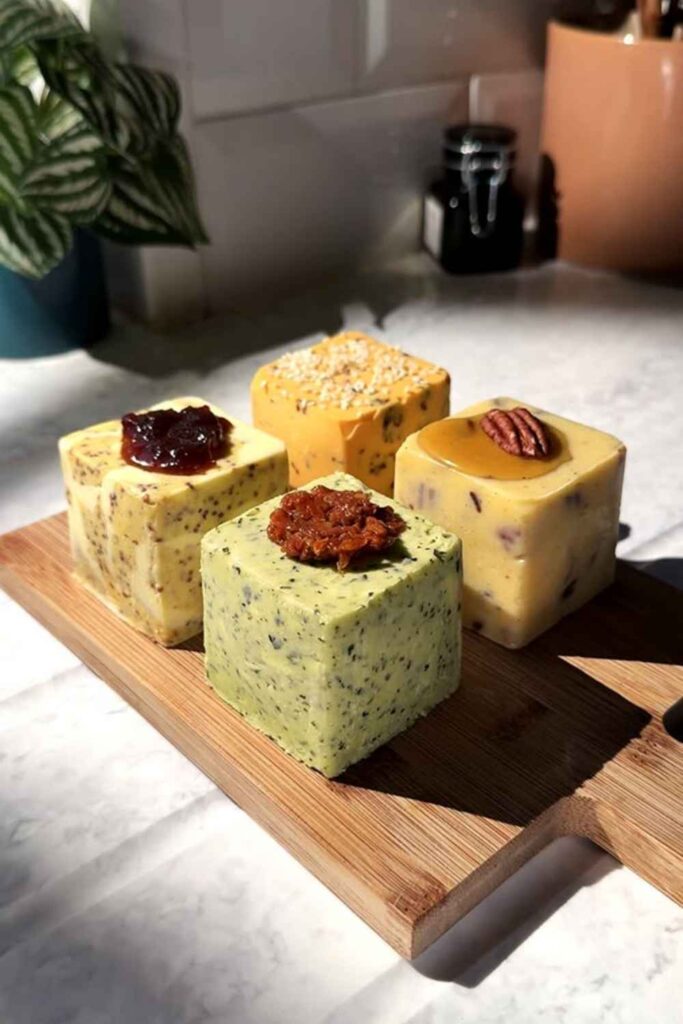
Compound butter softened butter mixed with herbs, garlic, citrus zest, or spices, then rolled in cling film and frozen is one of the most efficient tools in a weeknight cook’s arsenal. Slice off a round, toss it over a hot steak or roasted vegetables, and it melts into an instant finishing sauce.
Good combinations: rosemary + lemon zest + garlic; miso + honey + a touch of rice vinegar; anchovy + parsley + capers. These freeze for up to three months.
The contrarian tip here: compound butter works beautifully on fish and roasted vegetables, not just steak. A miso butter over roasted broccoli is genuinely special. Most people never try it there.
Acid Finishes What Salt Starts
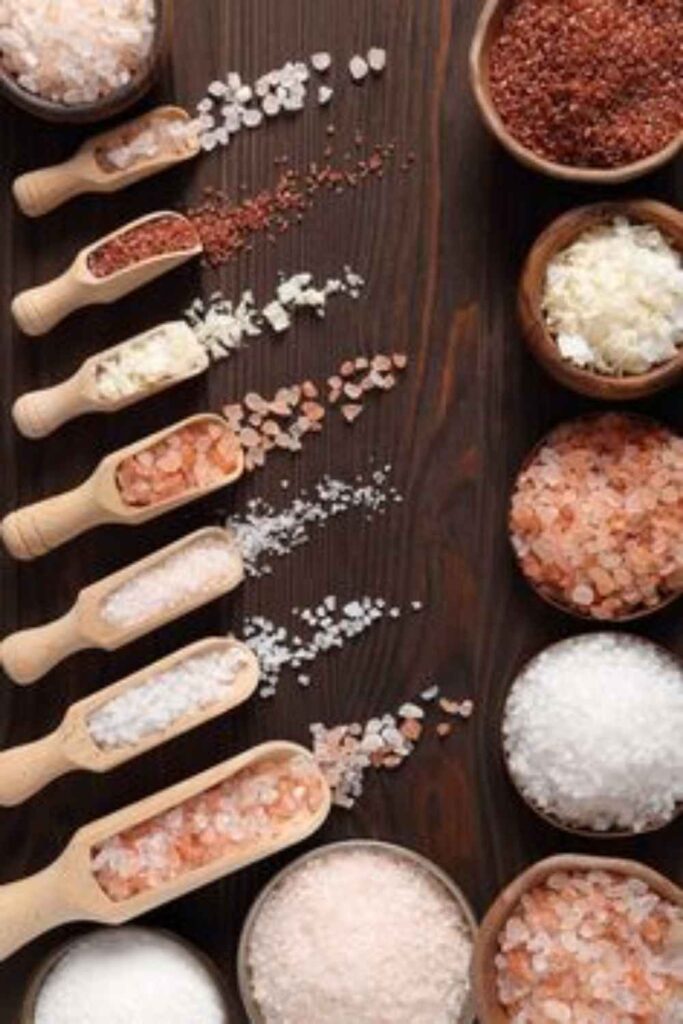
Salt enhances flavor and acid brightens if they do different jobs. A squeeze of lemon, a splash of vinegar, or even a spoonful of yogurt added at the end of cooking can rescue a dish that tastes flat despite being well-seasoned.
The human palate responds to acidity as freshness. It’s why a heavy beef stew benefits from a teaspoon of red wine vinegar at the end, or why Thai food adds lime after everything is cooked. Bright + rich = balanced.
Common mistake: adding acid too early. Most acids lose their brightness with extended heat. Add citrus juice, most vinegars, and fresh dairy at the end or off heat for maximum effect.
Line Sheet Pans With Parchment, Not Foil For Roasting
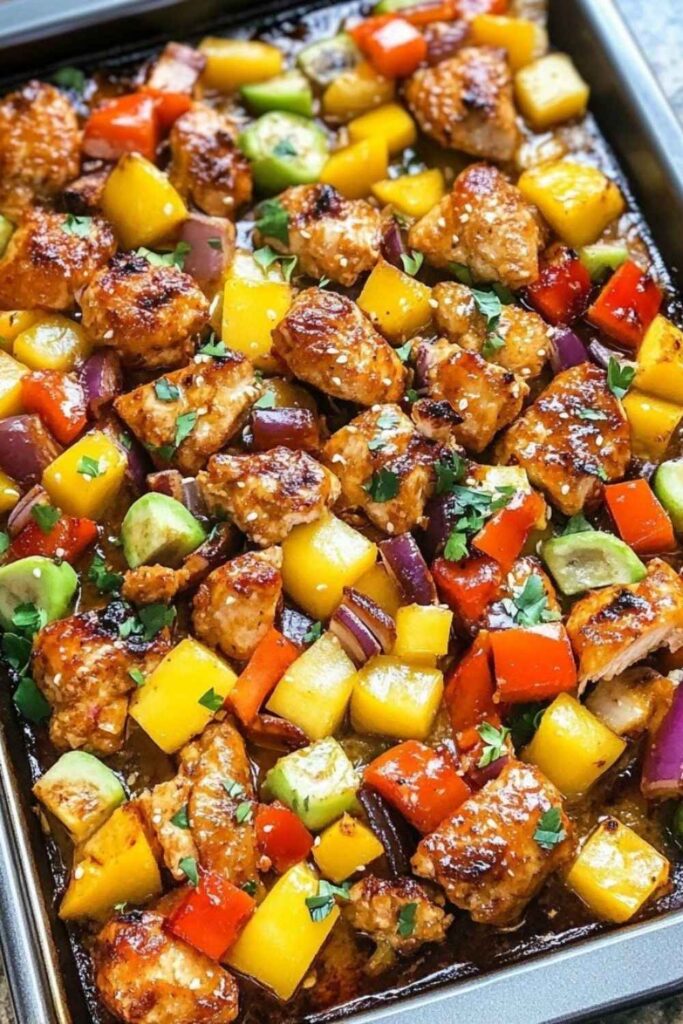
Aluminum foil reflects heat away from food, which slows browning on the underside. Parchment paper allows heat to pass through and reach the food, which is why sheet pan dinners and roasted vegetables crisp more reliably on parchment.
Foil is ideal for wrapping food (like garlic or fish en papillote) or covering dishes in the oven. For direct roasting where you want contact browning use parchment, or ideally a bare sheet pan with a light coating of oil. The direct metal contact is what creates those dark, caramelized edges.
Learn One Knife Skill: The Pinch Grip
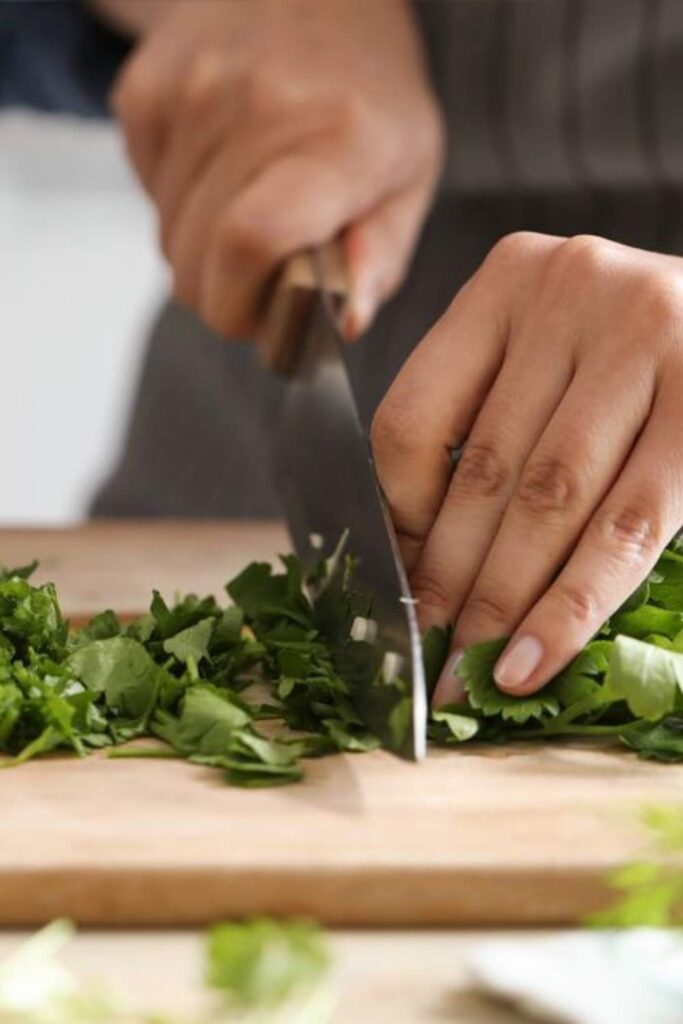
Every other knife technique builds on this. The pinch grip thumb and index finger pinching the base of the blade, not the handle, gives you control, reduces fatigue, and significantly lowers the chance of slipping.
Most people grip the handle like a hammer. That puts distance between your hand and the blade’s balance point, which means you’re fighting the knife on every cut. The pinch grip makes the blade feel like an extension of your hand.
Practice it for one meal and it becomes instinct. Your cuts will be more uniform, your prep will be faster, and you’ll stop tensing up every time you reach for the chef’s knife.
Build Umami Without Fancy Ingredients
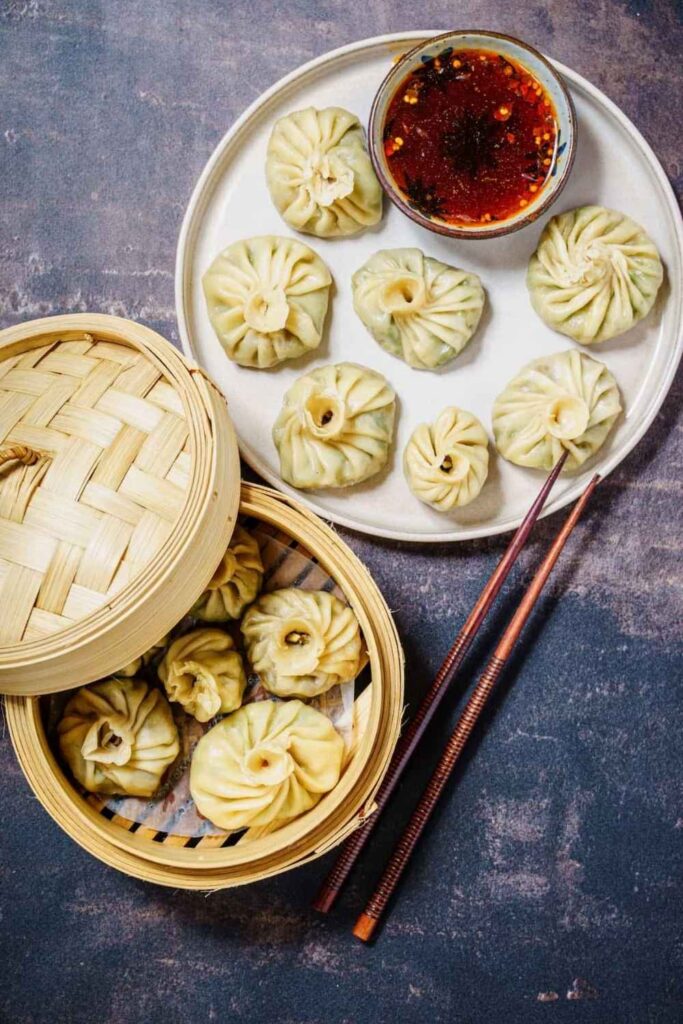
Umami the savory depth associated with meat, aged cheese, and fermented foods can be added to almost any dish with pantry staples: a spoonful of tomato paste cooked until it darkens, a splash of soy sauce in a braise, a grating of parmesan rind into soup, or a few anchovies melted into olive oil.
These aren’t exotic additions. They’re concentrated glutamate sources that signal depth and richness to the palate. A vegetarian tomato sauce with a parmesan rind simmered in for 20 minutes tastes meatier than most people expect.
The trick: cook the tomato paste or soy sauce with the aromatics before adding liquid. Raw tomato paste tastes acidic and flat. Cooked tomato paste (a minute or two in hot oil until it darkens slightly) develops complexity.
Store Onions and Potatoes Separately And Away From Fruit
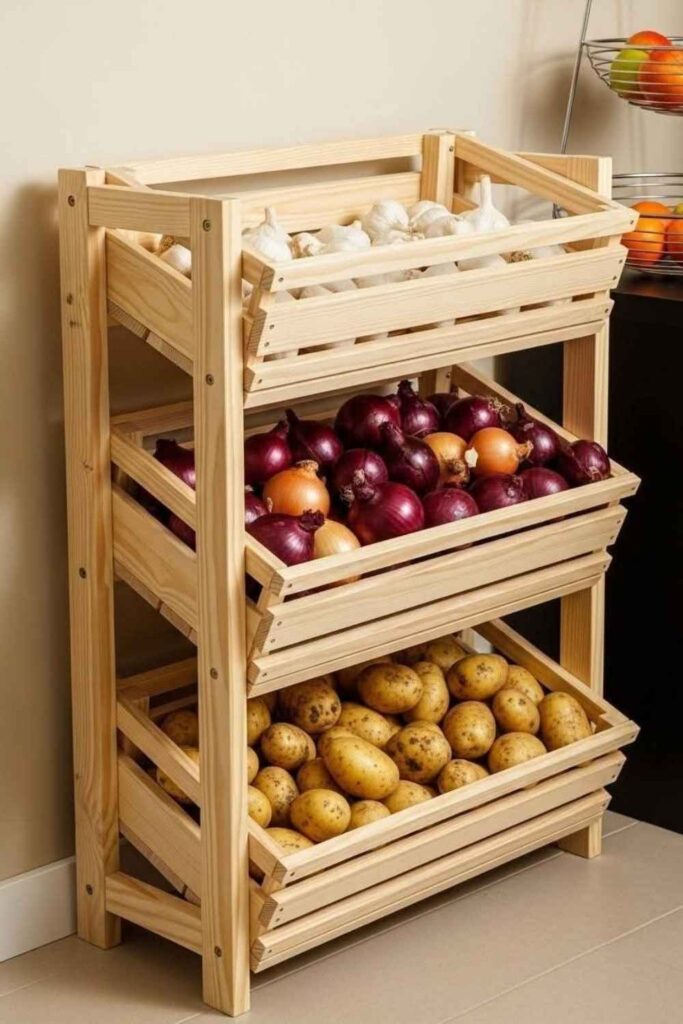
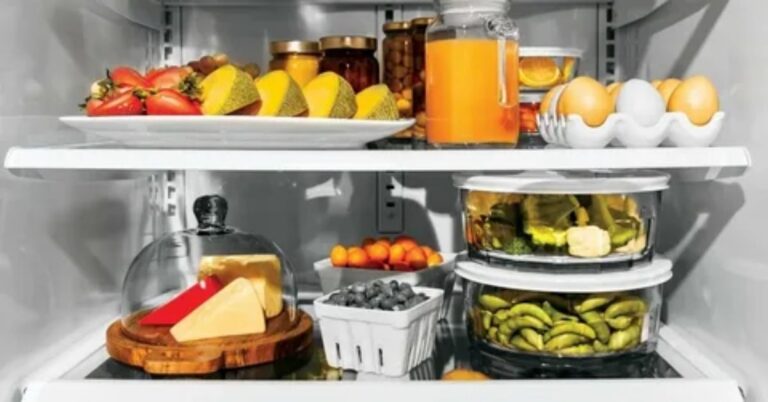
Onions emit gases that accelerate potato sprouting. Potatoes release moisture that softens onion skins and speeds their decay. Store them in different locations ideally in ventilated bags or baskets, away from direct light.
Ethylene-producing fruits (apples, bananas, avocados) speed the ripening and spoilage of nearly everything stored nearby. This is useful when you want to ripen an avocado fast (put it next to a banana), but bad news for most other products.
A small adjustment in how you organize the pantry can extend produce life by 30–50% without any special equipment.
Make a Bigger Batch Than You Need Every Single Time
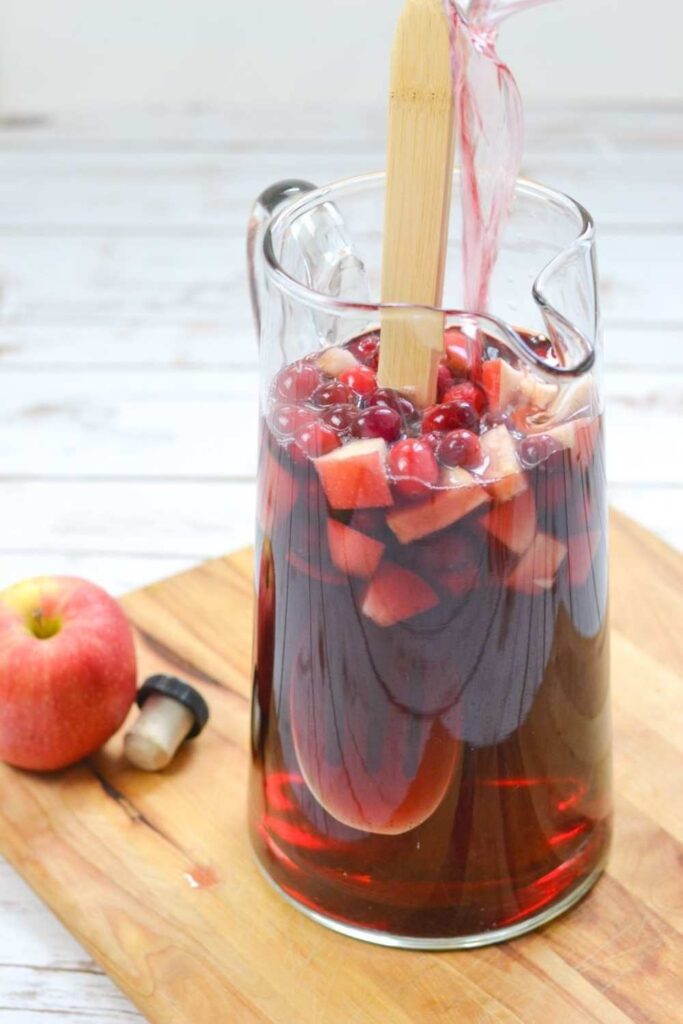
Doubling a recipe takes almost no extra time but produces twice the value. Grains, legumes, roasted vegetables, braises, and sauces all keep well and form the foundation of entirely different meals throughout the week.
Cooked lentils become a salad, a soup base, or a taco filling. Roasted sweet potatoes go into grain bowls, quesadillas, or blended into a sauce. The mental shift is from “cooking dinner” to “building components.”
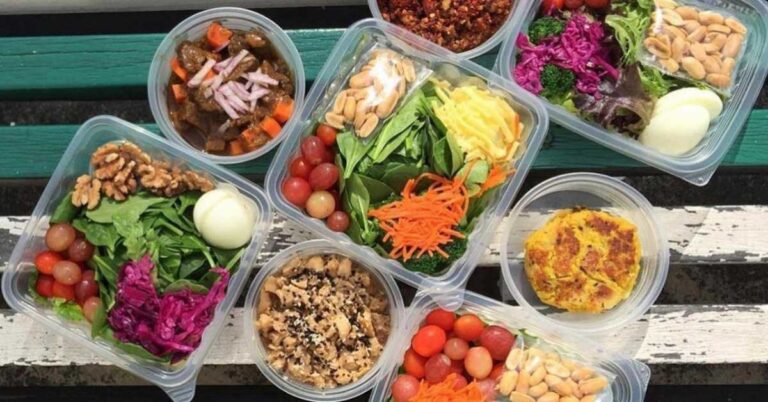
This is the actual logic behind meal prep not spending an entire Sunday cooking twelve identical containers of food, but cooking once and creating flexible building blocks that make the rest of the week easier.
Quick Comparison: Which Hacks Save You the Most Time vs. Most Flavor
| Hack | Primary Benefit | Time to Implement | Best For |
| Bloom spices in oil | Maximum flavor depth | 60 seconds | Soups, curries, stews |
| Cold pan garlic | Prevents burning | No extra time | Any dish with garlic |
| Pasta water in sauce | Silky sauce texture | 30 seconds | Any pasta dish |
| Instant-read thermometer | Consistent doneness | 5 seconds per use | Meat, poultry, baking |
| Compound butter (freezer) | Instant finishing sauce | 10 min prep, 0 min weeknight | Steak, fish, veg |
| Layer your salt | Restaurant-level seasoning | No extra time | Everything |
| Batch cooking mindset | 3–4 meals from one cook session | 15 min extra | Weekly meal prep |
| Mise en place | Calmer, faster cooking | 5–10 min prep | Any complex recipe |
Key Takeaways
Best single habit for flavor: Season in layers throughout cooking, not just at the end salt timing changes everything
Best tool under $20: An instant-read thermometer; it removes the single biggest source of overcooked protein
Best freezer upgrade: Compound butter pure weeknight convenience that takes 10 minutes to make on the weekend
Skip garlic in a hot pan if you tend to multitask start cold and eliminate the burn risk entirely
Go for pasta water before anything else if your sauces consistently feel loose or flat
Best batch cooking shortcut: Double your grains and legumes every time you cook them they form the backbone of three different meals with no extra planning
FAQ’s
Does it really matter what order you add ingredients to a pan?
Yes significantly. Aromatics added to cool oil develop differently than those added to screaming-hot fat. Dense vegetables that need longer to cook should go in before soft ones. Proteins need space in the pan or they steam instead of sear. Order determines texture, color, and how flavors build on each other.
Why does my food never taste as good as restaurant food even when I follow the recipe?
Usually three reasons: under-seasoning (especially insufficient salt in layers), cooking at too low a heat for proper browning, and skipping the finishing steps of acid, fresh herbs, or a pat of butter at the end. Restaurants treat seasoning and finishing as non-negotiable; most recipes gloss over both.
Is there a difference between kosher salt, table salt, and sea salt for cooking?
Yes, and it matters. Table salt is fine-grained and very dense; a teaspoon contains significantly more sodium than a teaspoon of Diamond Crystal kosher salt, which is the standard most recipe developers use. Sea salt varies widely by brand. If a recipe calls for “salt” without specifying, it almost certainly means kosher salt. Using table salt in the same volume will over-salt the dish.
Conclusion
The gap between stressful cooking and genuinely enjoyable cooking usually comes down to a few foundational techniques, not expensive equipment or complicated recipes. Salt layering, cold pan garlic, compound butter in the freezer, and a $15 thermometer will change more about your cooking than any single ingredient upgrade ever will.
Pick two or three from this list and make them automatic before moving on to the next. Mastery stacks. Save this to your weeknight cooking Pinterest board for when you need a quick reference mid-prep.