12 Easy High Protein Meals That Actually Keep You Full 2026 Guide
You know that moment when you eat a “healthy” lunch, feel fine for about 45 minutes, and then suddenly you’re hunting the kitchen for something at 3 PM? Nine times out of ten, the problem isn’t willpower. It’s protein. You didn’t eat enough of it, or you ate the wrong kind paired with the wrong things.
High protein meals aren’t just for bodybuilders or people tracking every macro. They’re for anyone who wants to stay full, stay sharp, and stop thinking about food every two hours. If your afternoons tend to derail before dinner, this list was made for you.
These 12 meals aren’t just protein-dense; they’re built around a detail most food lists skip entirely: what you pair your protein with matters almost as much as how much you eat.
Greek Yogurt Chicken Marinade Bowl
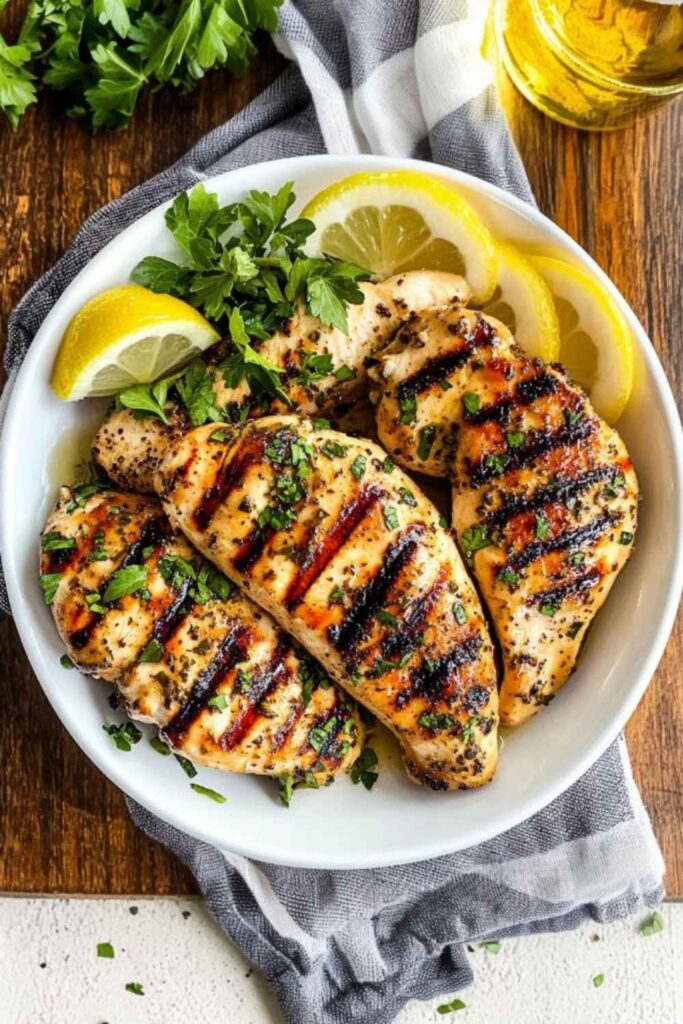
Most people reach for Greek yogurt as a snack. Using it as a marinade base is where things get genuinely interesting.
Greek yogurt tenderizes chicken through lactic acid while doubling the protein count of the dish. A single 200g chicken thigh marinated overnight in full-fat Greek yogurt, garlic, cumin, and lemon juice gives you roughly 45–50g of protein per serving before you even add toppings. The yogurt caramelizes slightly in a hot pan, creating a slightly tangy, golden crust that no dry rub can replicate.
Serve over brown rice or roasted chickpeas with sliced cucumber and a drizzle of olive oil. The healthy fat from the oil actually slows gastric emptying, which means the protein absorbs more steadily and keeps you fuller longer. That’s the detail most recipe blogs don’t mention.
Cottage Cheese Scrambled Eggs
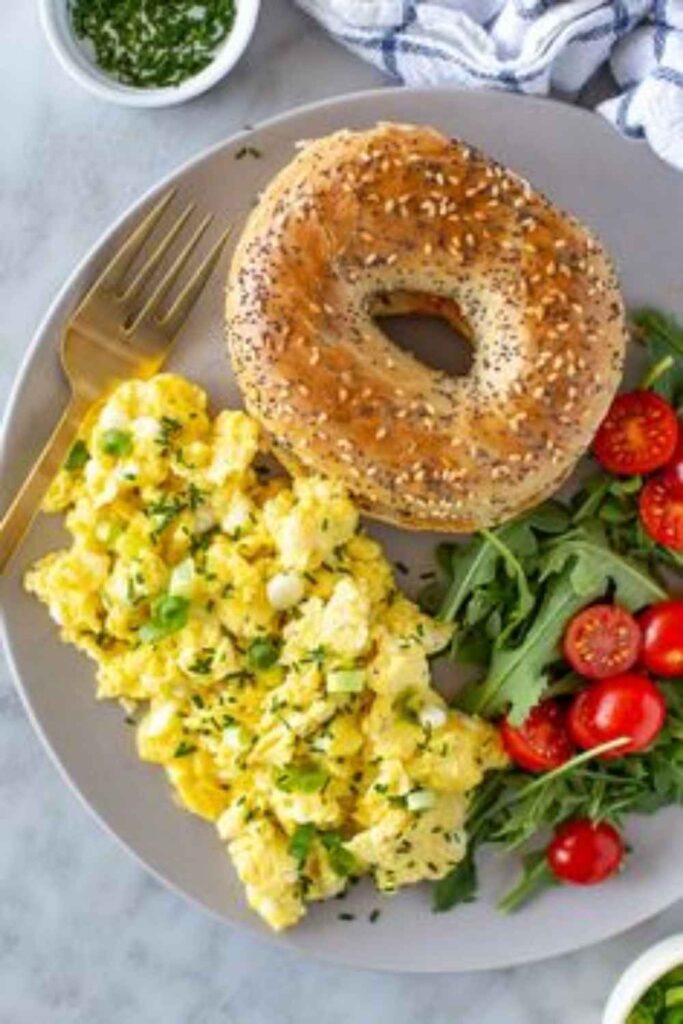
The opinion is firm here: scrambled eggs without cottage cheese are underselling their own potential.
Folding two tablespoons of full-fat cottage cheese into three beaten eggs before cooking adds 7–8g of extra protein, creates a creamier texture without cream, and boosts calcium which plays a supporting role in muscle contraction. The result is a soft, cloud-like scramble that holds its moisture and doesn’t go rubbery the moment you look away.
Season with black pepper, fresh chives, and a pinch of smoked paprika. Total cook time: under five minutes. Total protein: around 30g. If your mornings are rushed and you need something that actually carries you to lunch, this is it.
Read More About:37 Delicious Lunch Box Ideas That Actually Get Eaten
Lentil and Ground High Protein Meals Turkey Soup
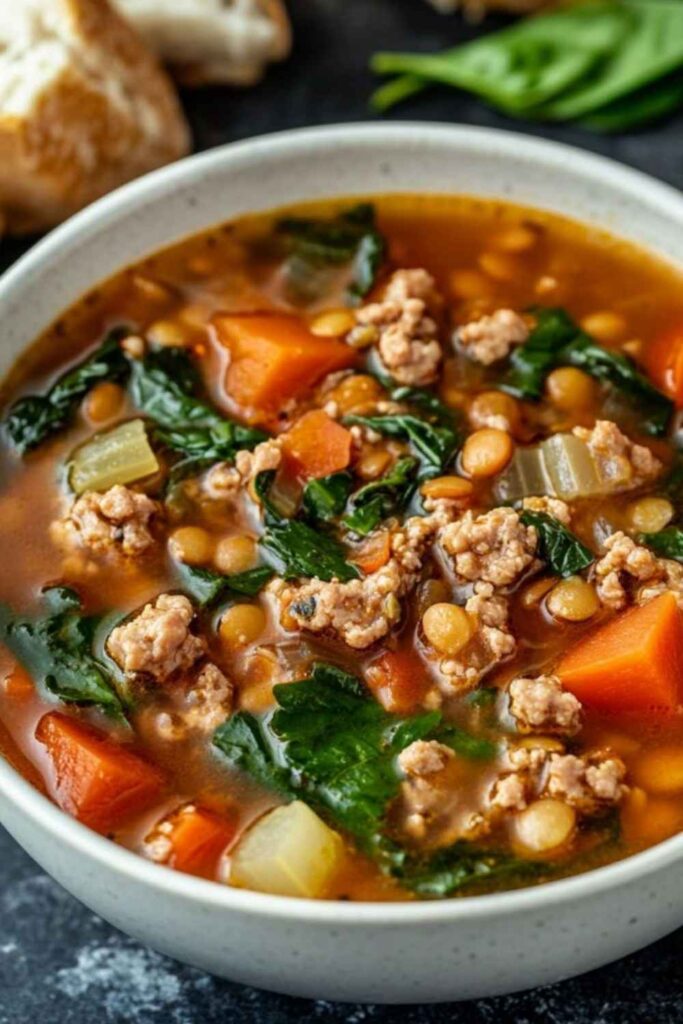
Lentils alone are respectable. Paired with lean ground turkey, they become one of the most protein-efficient one-pot meals you can make.
One cup of cooked green lentils delivers about 18g of protein and, crucially, a significant amount of leucine, the amino acid most directly responsible for triggering muscle protein synthesis. Ground turkey adds another 20–25g per 100g serving. Together, they form a complete amino acid profile without needing to overthink it.
The soup itself is deeply savory: browned turkey, onion, garlic, canned tomatoes, smoked paprika, and chicken broth simmered for 25 minutes. It thickens as it cools, which means leftovers are somehow better the next day. Batch cook on Sunday this one reheats without losing anything.
Tuna and White Bean Lettuce Wraps
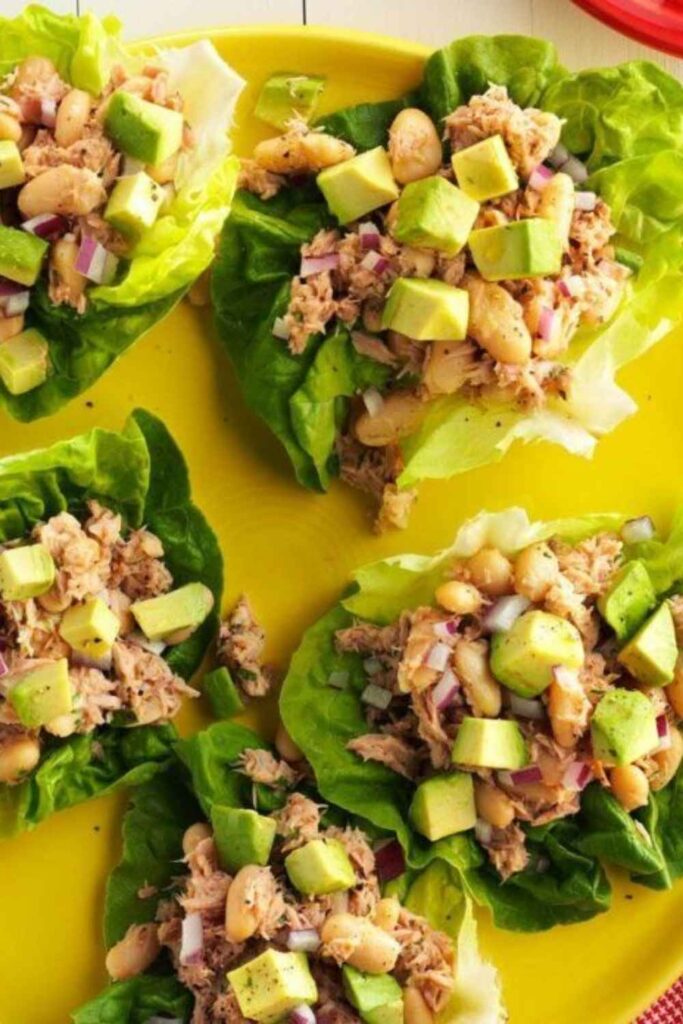
Tuna gets a bad reputation for being boring. That’s a preparation problem, not a tuna problem.
Mix one drained can of albacore tuna with half a can of white beans, Dijon mustard, lemon zest, capers, and a small amount of olive oil. Spoon into butter lettuce cups. That’s it. Total protein: around 38g. Total time: four minutes if you’re moving slowly.
The white beans add resistant starch, which feeds gut bacteria and extends the satiety window past what tuna alone would provide. This is the meal that genuinely surprises people; it tastes like something from a café, not a rushed desk lunch.
Read More About:36 Freezer Meal & Food Storage Strategies That Actually Save You Time and Money in 2026
Edamame and Tofu Stir-Fry
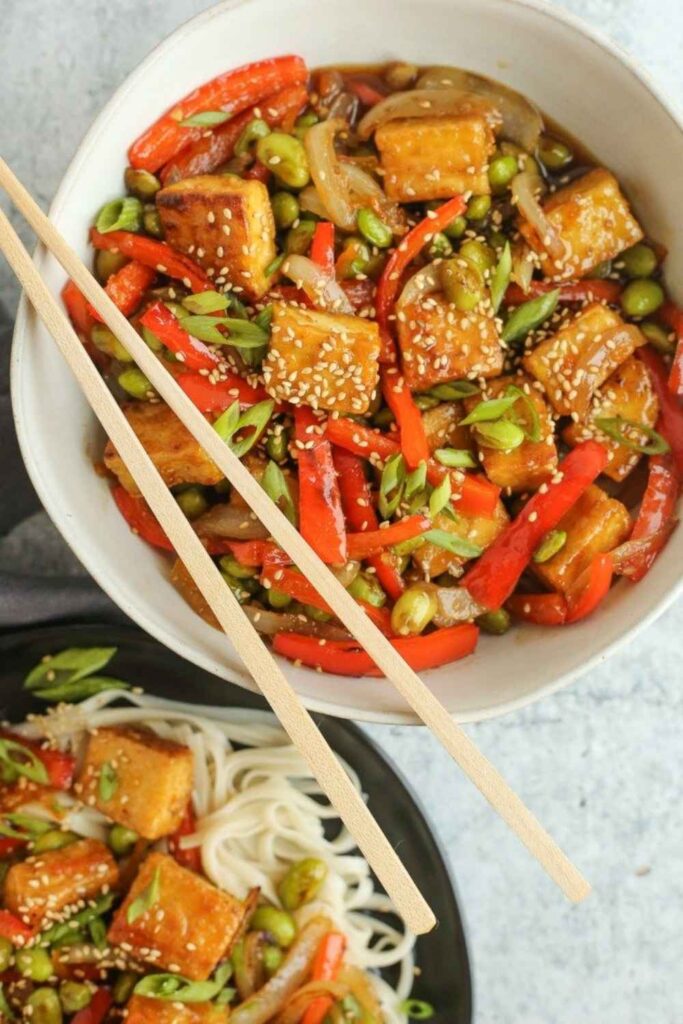
Here’s a counterintuitive one: the plant-based meal on this list may be the most anabolically complete.
Firm tofu, pressed and pan-fried until golden, combined with shelled edamame, shredded purple cabbage, sesame oil, tamari, and ginger delivers both leucine and isoflavones compounds that research suggests support muscle protein synthesis in a way that complements, rather than competes with, animal proteins. A large serving hits 28–32g of complete plant protein.
The texture contrast is worth noting: crispy tofu edges against the soft pop of edamame is genuinely satisfying. Add a soft-boiled egg if you’re not keeping it vegan. The umami from tamari and sesame makes this taste like effort, even though it takes about 15 minutes.
Salmon with Miso Butter and Asparagus
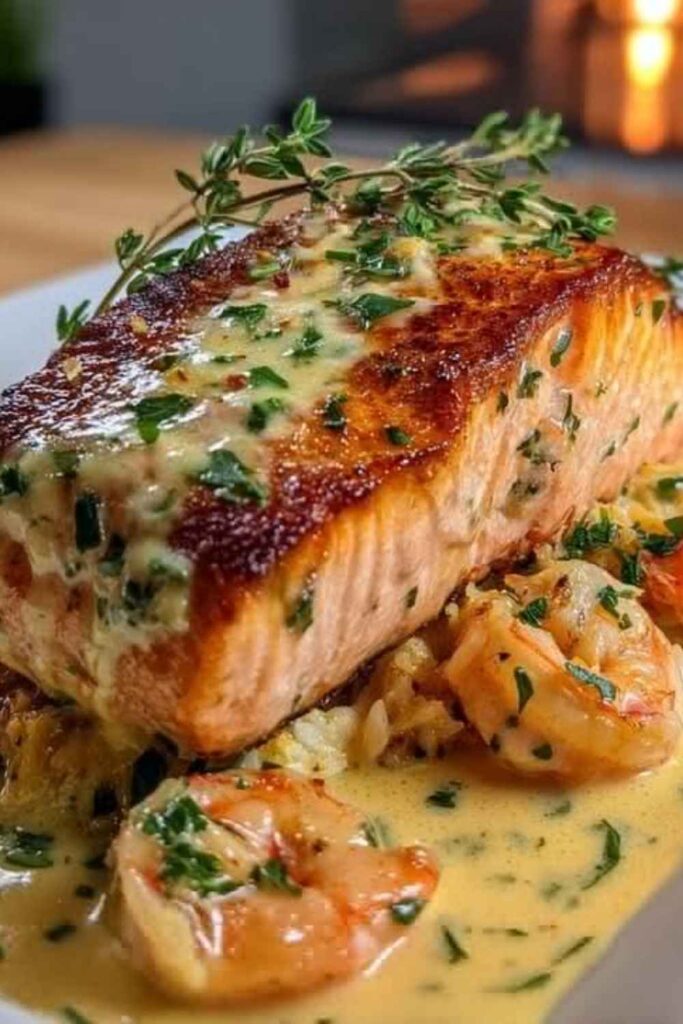
Fat and protein together have a specific superpower: they blunt the insulin response, which reduces hunger signaling for hours after eating.
A 170g salmon fillet is already carrying 35–40g of protein and omega-3 fatty acids that reduce muscle inflammation post-workout. A small pat of white miso butter (softened butter mixed with white miso paste) melted over the top during the last two minutes of cooking transforms it from “healthy dinner” to something you’d genuinely look forward to. Roasted asparagus alongside adds folate and glutathione, two micronutrients that support cellular recovery.
Bake at 400°F for 12–14 minutes. Finish with the miso butter. The miso caramelizes very slightly, giving a salty-sweet depth that no plain seasoning achieves.
Black Bean and Quinoa Power Bowl
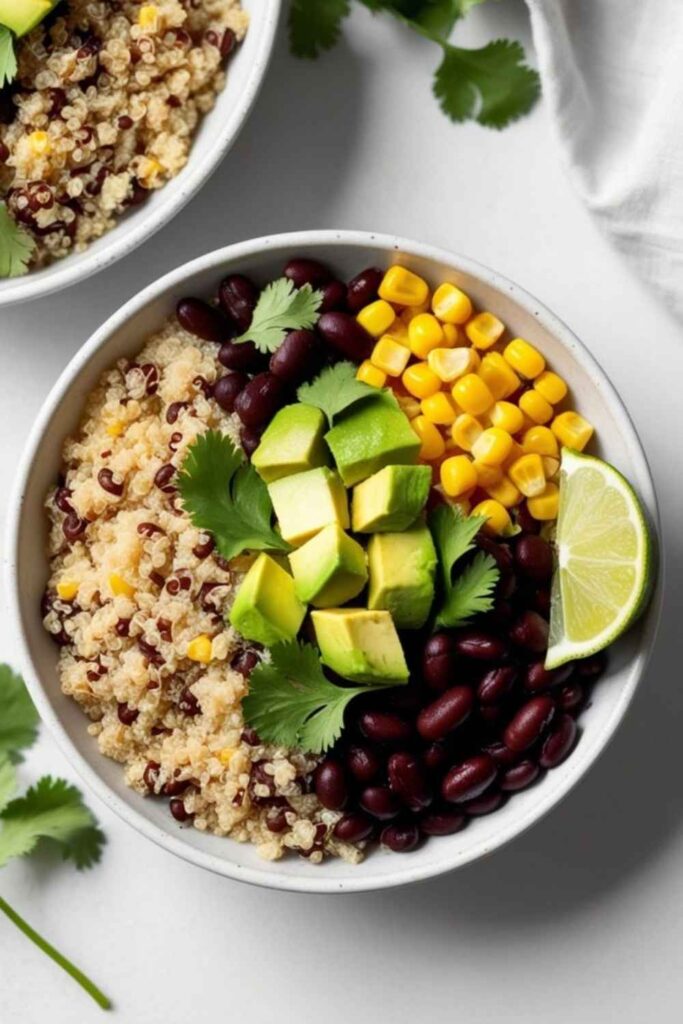
Quinoa is one of the few plant sources that qualifies as a complete protein. Most articles mention this. What they skip is the math.
One cup of cooked quinoa (8g protein) combined with half a cup of black beans (8g protein) and two tablespoons of hemp seeds (10g protein) gives you a 26g protein base before any toppings. Add roasted sweet potato, pickled red onion, avocado, and a lime-cumin dressing. That combination of fiber, resistant starch, and healthy fat means your blood sugar barely moves after eating which is exactly what drives sustained energy without the 2 PM crash.
The hemp seeds are the move most people miss. They blend in invisibly, add a mild nutty flavor, and quietly push the protein total past what any single grain could do alone.
Read More About:35 Kitchen Hacks & Cooking Tips That Actually Change How You Cook 2026
Egg White and Spinach Frittata
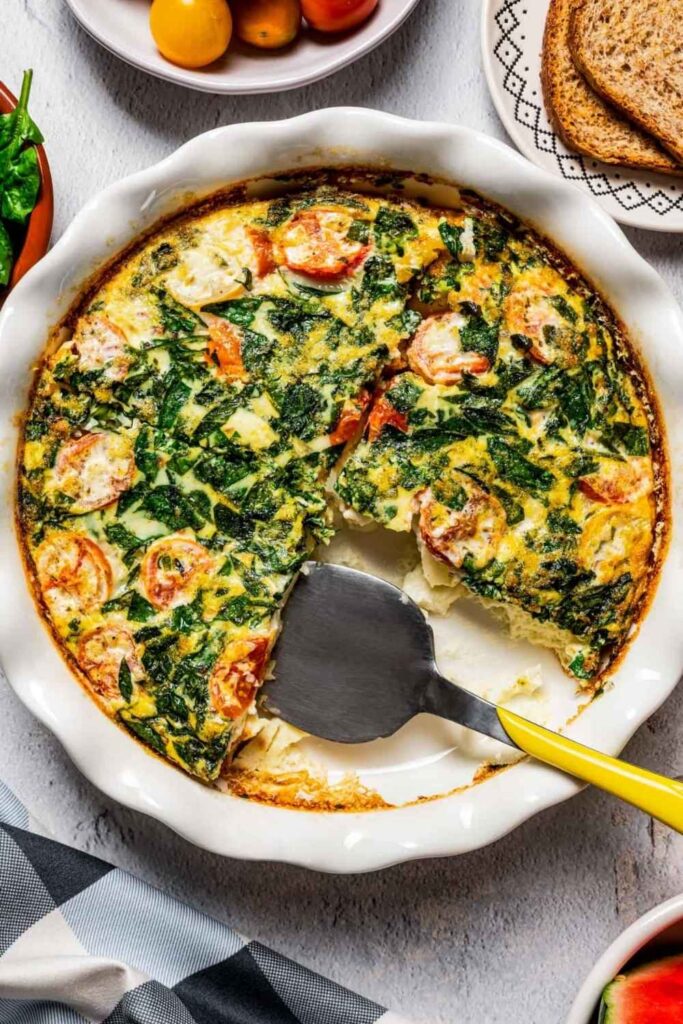
The whole-egg-versus-egg-white debate has a practical answer: use both.
A frittata made with four whole eggs and four egg whites hits 28g of protein while keeping fat moderate. The yolks provide choline essential for brain function and muscle nerve signaling, something pure egg-white meals completely strip out. Fold in wilted spinach (iron and magnesium for muscle function), crumbled feta, and sun-dried tomatoes.
Bake in a cast iron skillet at 375°F for 12 minutes. It slices cleanly, holds in the fridge for four days, and works for breakfast, lunch, or a fast dinner. Honestly, a frittata is just a crustless quiche that doesn’t feel the need to show off.
Ground Beef and Zucchini Skillet
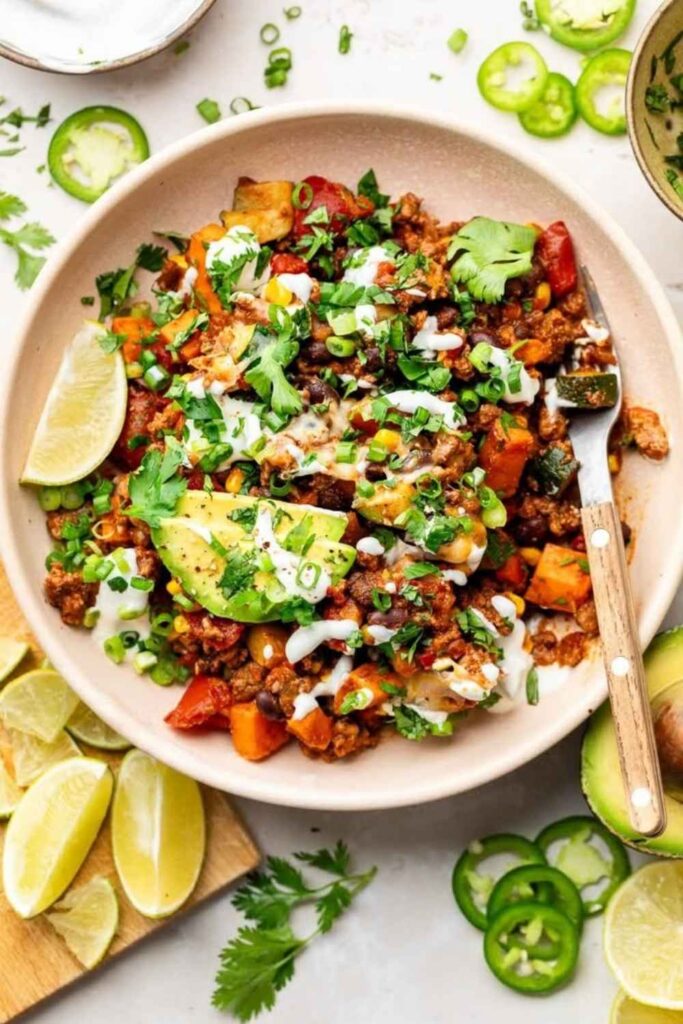
Lean ground beef has a protein density problem specifically, it doesn’t have one. It’s extremely protein-dense.
100g of 90% lean ground beef contains 26g of protein and is one of the richest dietary sources of creatine, a compound that supports energy production in muscle cells even when consumed through food rather than supplements. Brown it with garlic and onion, add diced zucchini and cherry tomatoes, season with Italian herbs and a splash of Worcestershire sauce. Twenty-minute skillet meal. Around 40g protein per serving.
The zucchini keeps the dish from feeling heavy, and its high water content means you’re also slightly relevant if you work out and forget to drink water like a normal person.
Shrimp and Cauliflower Fried Rice
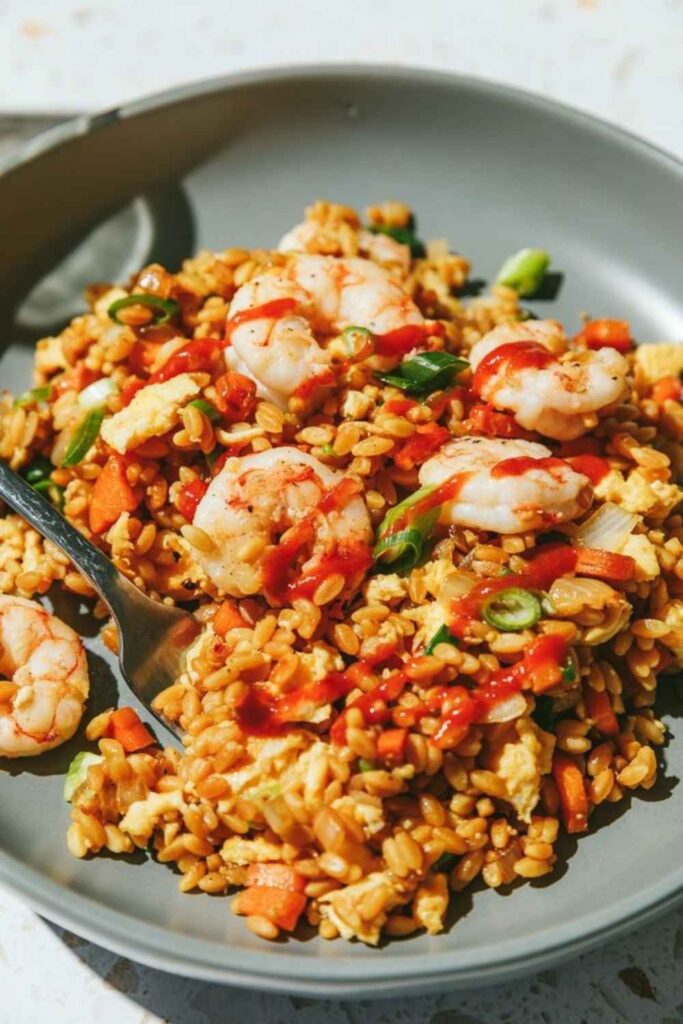
Shrimp is the most underrated protein source in home cooking. It cooks in three minutes, has essentially zero fat, and delivers 24g of protein per 100g serving.
Use riced cauliflower instead of white rice to keep the carbs low without sacrificing the satisfying fried-rice experience. Sauté the cauliflower in sesame oil until slightly golden, push it to the side, scramble two eggs in the same pan, add cooked shrimp, frozen peas, tamari, and white pepper. It comes together in under 15 minutes and tastes like real takeout not a sad substitution.
The mistake people make here is overcrowding the pan. Cauliflower needs contact with heat to brown, not steam. Use a wide pan, high heat, and don’t stir it too early.
Turkey and Hummus Lettuce Roll-Ups
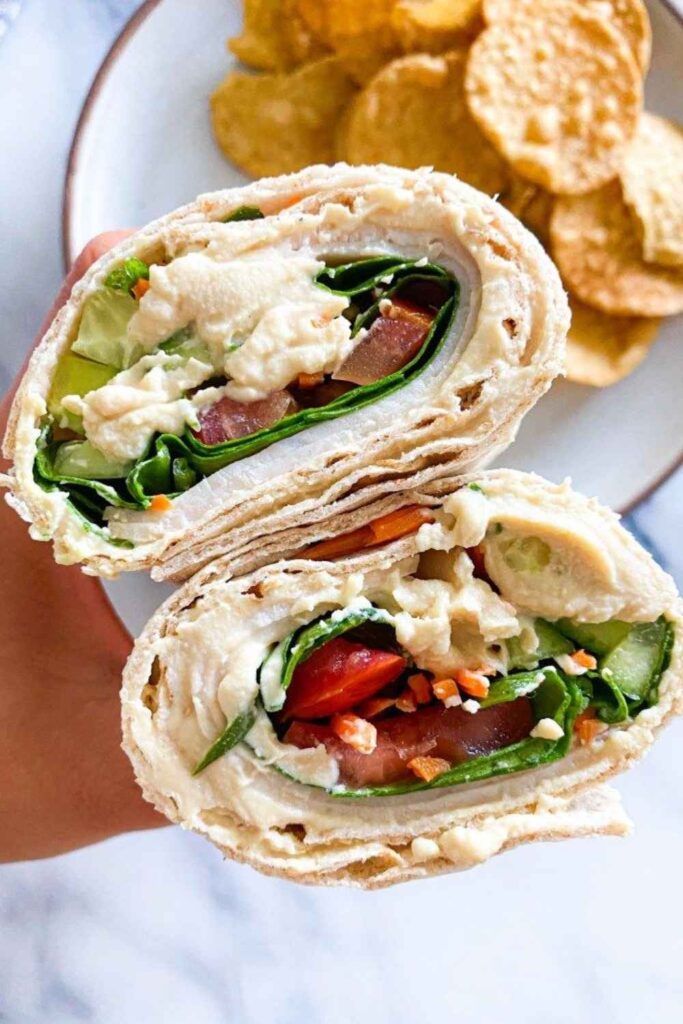
No-cook meals rarely get credit for being legitimate high-protein options. They should.
Layer sliced deli turkey (look for low-sodium, uncured), a generous smear of hummus, shredded carrot, and cucumber spears into large romaine leaves. Roll and eat. Per two large rolls: approximately 30–35g of protein, depending on turkey thickness. The chickpea base in hummus adds another 4–5g and provides tahini’s fat to extend satiety.
This works best as a lunch that travels. The components stay separate until assembly, nothing wilts, and there’s no reheating required. FYI, this is also one of the few high-protein options that works straight from the fridge without any prep day planning.
Baked Cod with Lemon-Herb Chickpeas
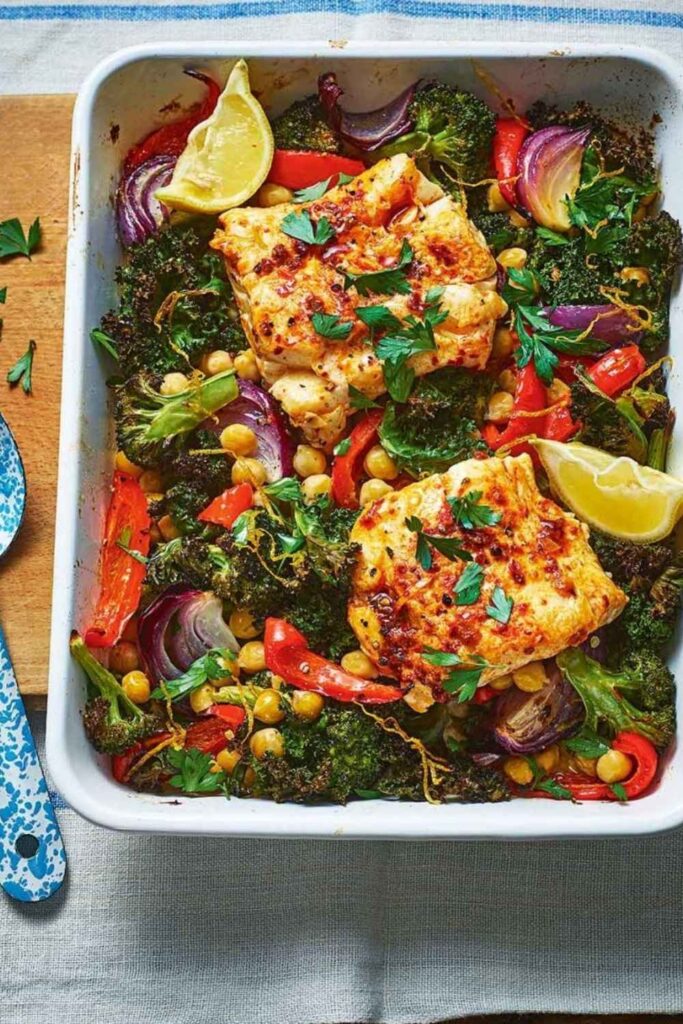
White fish is chronically underestimated, probably because it sounds like diet food from a 1980s clinic brochure.
Cod is 82% protein by calorie, one of the highest ratios of any food. A 200g fillet baked with lemon, capers, and fresh dill delivers 36g of protein with almost no fat. Pair it with roasted chickpeas (tossed in olive oil, cumin, and garlic powder, roasted at 425°F until crispy) and you add another 15g of plant protein plus the crunch element the dish needs. Together: 50g+ protein, one pan, 25 minutes.
The chickpeas are the sleeper hit. They become almost cracker-like when properly roasted nothing like the soft, forgettable chickpeas that go into most salads.
Comparison Table: Which High Protein Meal Fits Your Situation?
| Meal | Protein (approx.) | Cook Time | Best For | Meal Prep Friendly? |
| Greek Yogurt Chicken Bowl | 48g | 20 min (+ overnight marinade) | Post-workout dinner | Yes |
| Cottage Cheese Scrambled Eggs | 30g | 5 min | Quick breakfast | No (best fresh) |
| Lentil Turkey Soup | 43g | 30 min | Batch cooking | Yes (5 days) |
| Tuna White Bean Wraps | 38g | 4 min | Desk lunch, no heat needed | No |
| Edamame Tofu Stir-Fry | 30g | 15 min | Plant-based days | Yes |
| Miso Butter Salmon | 38g | 15 min | Elevated dinner | Partial |
| Quinoa Black Bean Bowl | 34g | 20 min | Vegan, sustained energy | Yes |
| Egg White Frittata | 28g | 20 min | Breakfast meal prep | Yes (4 days) |
| Ground Beef Zucchini Skillet | 40g | 20 min | Fast weeknight dinner | Yes |
| Shrimp Cauliflower Fried Rice | 36g | 15 min | Low-carb nights | Partial |
| Turkey Hummus Roll-Ups | 32g | 0 min | Travel lunch, no kitchen | No |
| Baked Cod with Chickpeas | 50g | 25 min | Highest protein, lightest meal | Partial |
Key Takeaways
Go for the lentil turkey soup or egg white frittata if you’re batch cooking for the week, both hold for 4–5 days without quality loss.
Skip the shrimp fried rice if you’re making it ahead. Cauliflower softens overnight and loses its texture.
Best choice for post-workout recovery: the Greek yogurt chicken bowl or salmon with miso butter both pair complete proteins with anti-inflammatory fats.
If you’re plant-based, the quinoa black bean bowl with hemp seeds is the one that actually hits a complete amino acid profile without supplementing.
The tuna white bean wrap and turkey roll-ups are your no-heat, no-effort options for travel or office days.
When total protein output matters most (like the day after a hard training session), the baked cod with chickpeas is the single highest-protein option on this list at 50g+.
FAQ’s
Do I need to eat protein at every meal to build muscle?
Not strictly at every meal, but research consistently shows that distributing protein across 3–4 meals (roughly 25–40g per sitting) produces better muscle protein synthesis than loading most of it into one meal. Your body can only use so much at once for muscle-building the rest gets oxidized for energy.
Is plant protein as effective as animal protein for muscle growth?
It can be, with one caveat: many plant proteins are lower in leucine, which is the specific amino acid that most directly triggers muscle protein synthesis. Combining sources like quinoa with hemp seeds, or lentils with eggs closes that gap effectively. The tofu-edamame combination on this list was chosen specifically for its leucine profile.
How much protein do I actually need per day?
The commonly cited 0.8g per kilogram of body weight is a minimum to avoid deficiency not an optimal target for active people. For anyone exercising regularly, the more relevant range is 1.6–2.2g per kilogram of body weight. A 70kg person doing regular resistance training should aim for roughly 112–154g of protein daily.
Conclusion
The difference between a meal that keeps you full for two hours and one that carries you through to dinner often comes down to one thing: how well the protein is structured, not just how much of it is there. Pairing protein with the right fats, fibers, and amino acid co-factors is what actually moves the needle and most meal lists don’t go near that detail.Pick two or three meals from this list that fit your schedule and cook them this week.