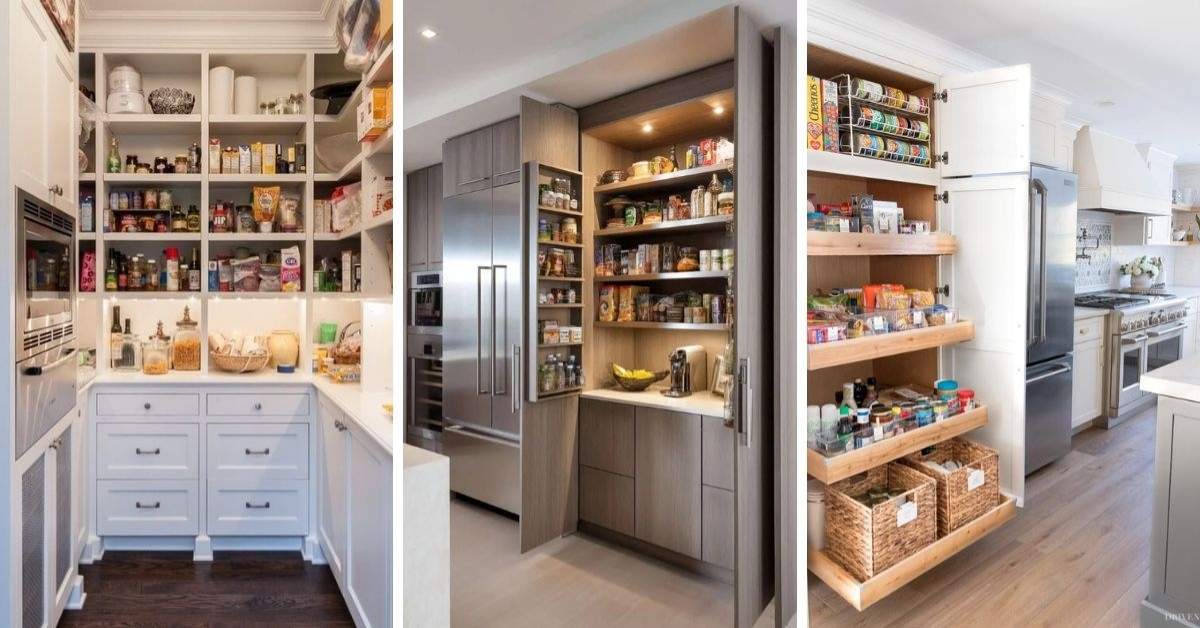
18 Kitchen Inventory & Pantry Management Tricks That Actually Stop Food Waste (2026 Guide)
You know that moment when you buy a second can of chickpeas because you couldn’t remember if you had one and then find three cans already buried in the back of the pantry? Kitchen Inventory & Pantry Management Tricks That’s not a memory problem. That’s a system problem.
A functional kitchen inventory isn’t about being the type of person who color-codes their spice jars (although, respect). It’s about saving real money, cooking with less friction, and not opening your fridge to find a mysterious container from three weeks ago. If your mornings involve staring blankly at a cabinet before giving up and ordering delivery, this guide is written for you.
The tips below go beyond “label everything.” They cover the actual failure points of why most pantry systems collapse within two weeks, and what to do instead.
Start With a Full Pantry Audit Yes, Everything Comes Out
Most people skip this step because it feels dramatic. It is. That’s the point.
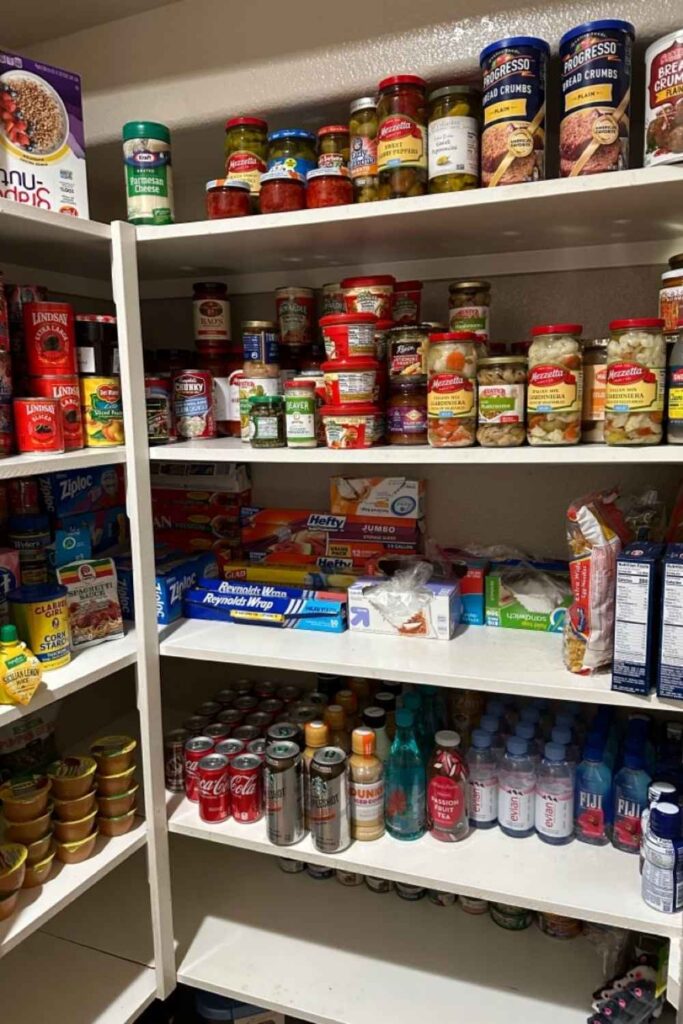
Pull every item out of your pantry, fridge, and freezer. Group by category: grains, canned goods, condiments, snacks, baking. You’re not organizing yet you’re taking inventory of reality. This single act usually reveals three things: duplicates you didn’t know you had, items that expired months ago, and ingredients you’ve bought multiple times because they kept hiding.
Write down (or photograph) everything. This baseline is your actual starting inventory not what you assumed was there. From this list, you build the system. Without it, you’re organizing around a fiction.
Specific insight: Most households discover they could eat for 5–7 days on pantry items alone without grocery shopping. Knowing this changes how urgently you restock.
Adopt FIFO Rotation The One Rule Restaurants Live By
Restaurants don’t throw away food because they use “First In, First Out.” New stock goes behind old stock, so the oldest items always get used first.
In practice: when you unpack groceries, push existing cans, cartons, and bottles to the front. New items go behind them. It takes about 30 extra seconds per shopping trip and essentially eliminates the problem of finding expired goods at the back of shelves.
The trap most people fall into is front-stacking, dropping new groceries wherever there’s space and reaching for them first because they’re visible. FIFO requires one deliberate habit shift, but once it’s automatic, your food waste drops noticeably.
Mistake to avoid: Don’t apply FIFO to spices. Most dried spices don’t “go bad” dangerously; they just lose potency. Date them with a marker on the bottom and use smell to judge freshness, not just expiration date.
Read More About:17 Healthy Snack Ideas That Actually Keep You Full No Sad Desk Food Here
Create a Simple Master Inventory List Digital Beats Paper
A handwritten list sounds cozy. It stops working after one grocery run when items get crossed out, re-added, and the paper becomes unreadable.
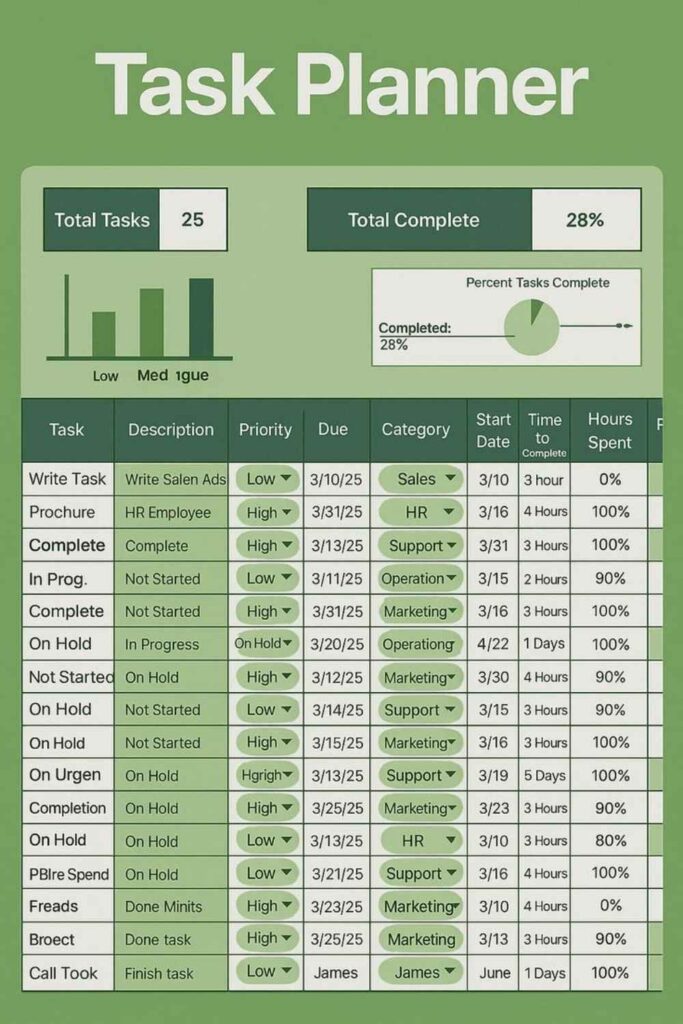
A basic spreadsheet or a free app like Pantry Check, Out of Milk, or even a shared Google Sheet works better. Columns: item name, quantity, location (pantry / fridge / freezer), and expiration date. Update it when you add or use something that’s it. The barrier needs to be low or the habit won’t stick.
Honestly, the app doesn’t matter much. What matters is picking one place and using it consistently. Switching apps every month is just procrastination with better UX.
Counterintuitive tip: Don’t track every single item. Focus on the 20–30 shelf-stable staples you use regularly: rice, pasta, canned tomatoes, olive oil, etc. Tracking every bag of chips creates data entry overhead that kills the habit.
Zone Your Kitchen by Use Frequency, Not Category
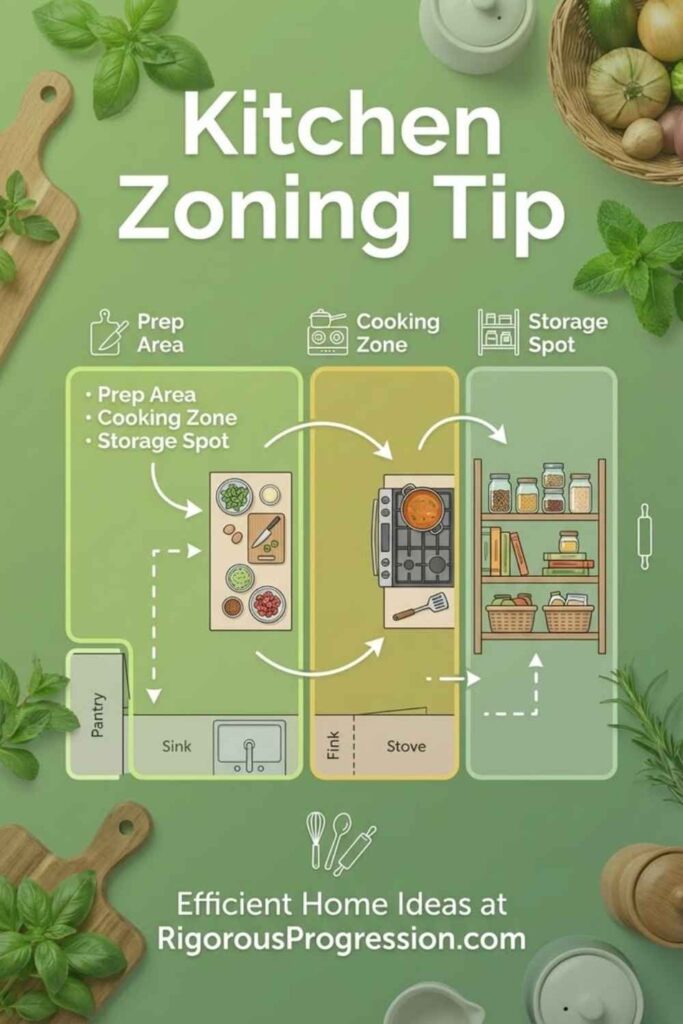
The standard advice is to organize by food type: all baking items together, all canned goods together. This is fine for aesthetics but not for cooking efficiency.
A better approach: organize by how often you reach for something. Daily-use items (oils, salt, spices, coffee) go at eye level or countertop. Weekly-use items (pasta, canned goods, grains) go in the middle zone. Occasional-use items (specialty flours, holiday spices, seldom-used appliances) go up high or in back corners.
This means your “pasta zone” and your “baking zone” might overlap in the same shelf row and that’s fine. You’re optimizing for your hands, not for a Pinterest photo.
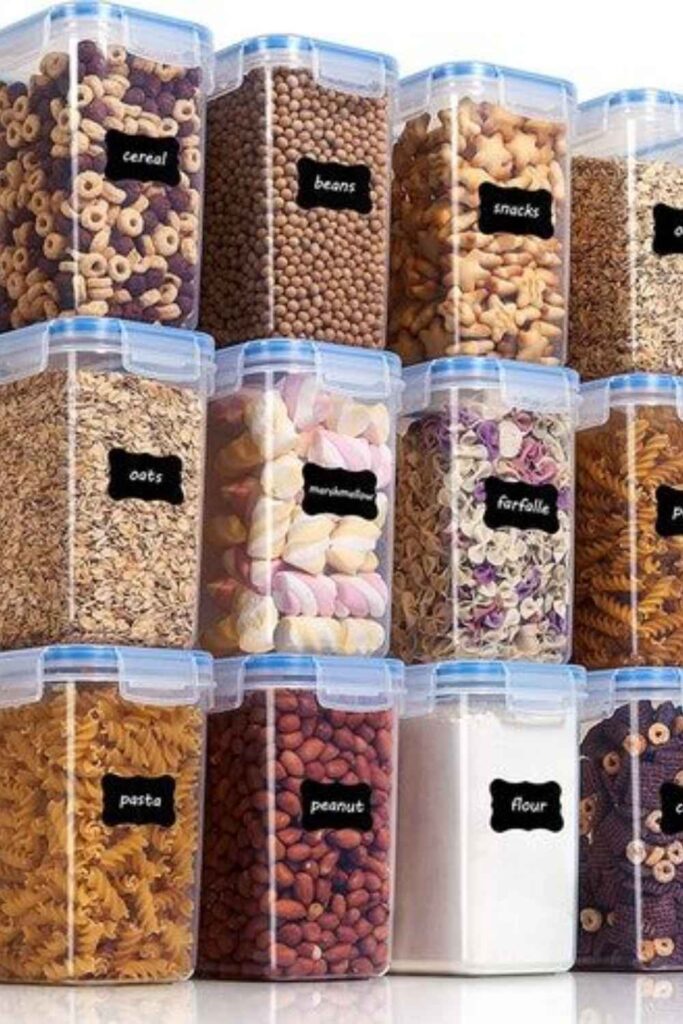
Opinion: The rise of matching container sets has made pantry organization more about visual performance than functionality. A pantry that looks chaotic but works smoothly beats a staged one that makes you dig for cumin every time.
Read More About:16 Family Meals on a Budget That Actually Taste Like You Tried
Use the “Eat Down” Strategy Before Every Big Shop
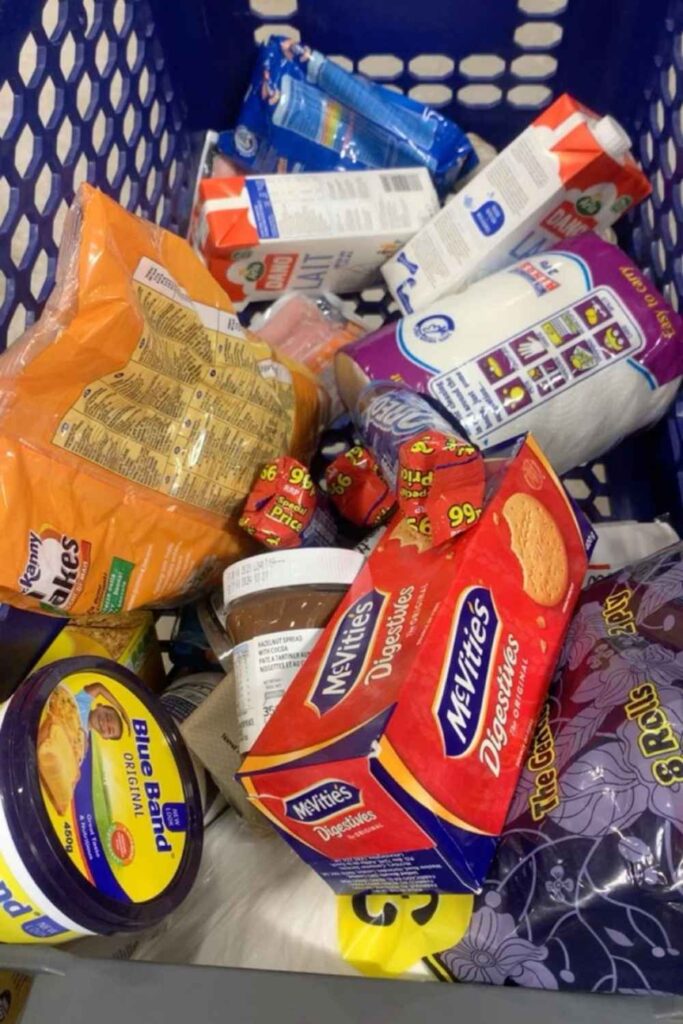
Before your weekly or bi-weekly grocery run, spend 10 minutes looking at what’s close to its use-by date or has been sitting longest. Build one or two meals around those items first.
This is sometimes called a “pantry meal” or “fridge clean-out” dinner it’s less romantic than it sounds but wildly effective at reducing waste. A can of diced tomatoes, half a box of pasta, and some garlic is dinner. You’re not suffering. You’re efficient.
The real benefit is behavioral: it trains you to see the pantry as a resource to draw down, not a storage unit to fill. Most people mentally “reset” their pantry by adding to it, never by reducing it intentionally.
Specific insight: Households that do one “eat down” week per month spend roughly 15–20% less on groceries annually, according to food waste researchers at ReFED.
Stop Over-Buying Bulk It’s Not Always the Better Deal
Bulk buying is great for true staples: rice, dried beans, oats, canned tomatoes. It’s terrible for items you only use occasionally.
A large bottle of fish sauce sounds economical until you’ve used it three times in 18 months and it’s slowly oxidizing in the back of your fridge. Same goes for specialty grains, niche condiments, and anything labeled “I’ll definitely use this more often.” The unit price is lower; the waste rate is higher.
The real math on bulk buying: cost per ounce × likelihood of using it fully before it degrades. Most people skip the second half of that equation entirely.
Direct comparison: A 32-oz jar of tahini at $8 is a great deal if you make hummus weekly. If you made hummus once last year, the $4 small jar was the actual bargain even at a worse per-ounce price.
Label Everything With a Date, Not Just a Name

“Leftover soup” in the fridge tells you nothing useful. “Leftover soup made Monday” tells you whether to eat it tonight or toss it.
This applies to opened packages too. A torn bag of almond flour clipped shut with no date is a guessing game. A piece of masking tape with “opened Oct 3” takes three seconds and eliminates the guessing.
For the freezer, labeling is non-negotiable. Frozen food all looks the same after two months. “Ground beef frozen Nov 12” is the difference between dinner and a mystery meat situation.
Practical tip:
Keep a roll of masking tape and a marker on the counter near the fridge. When the labeling tool is inconvenient, the habit disappears. When it’s right there, it takes no willpower.
Read More About:15 Easy 30-Minute Meals That Actually Taste Like You Tried
Build a “Use First” Kitchen Inventory & Pantry Management Tricks Shelf or Bin
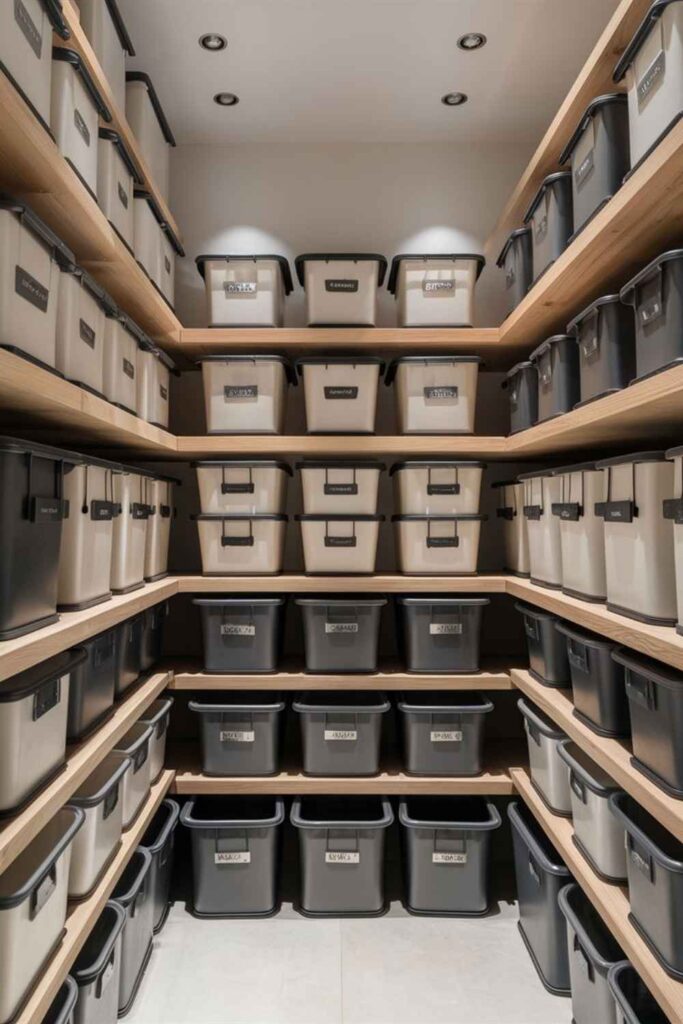
Instead of hunting for near-expiry items across multiple shelves, create one dedicated spot: a small bin, basket, or front-row shelf where anything that needs to be used soon lives.
Every time you do a pantry sweep or unpack groceries, move items that are close to expiration into this zone. When you’re deciding what to cook, check this spot first. It becomes the default answer to “what should I make tonight?”
This system works because it removes the cognitive load of remembering what’s aging. The bin does the remembering for you.
Counterintuitive point: A “use first” zone works better than elaborate expiration tracking apps for most households. The visual cue of a slightly-too-full bin is more motivating than a calendar notification.
Link Your Inventory to Your Meal Plan
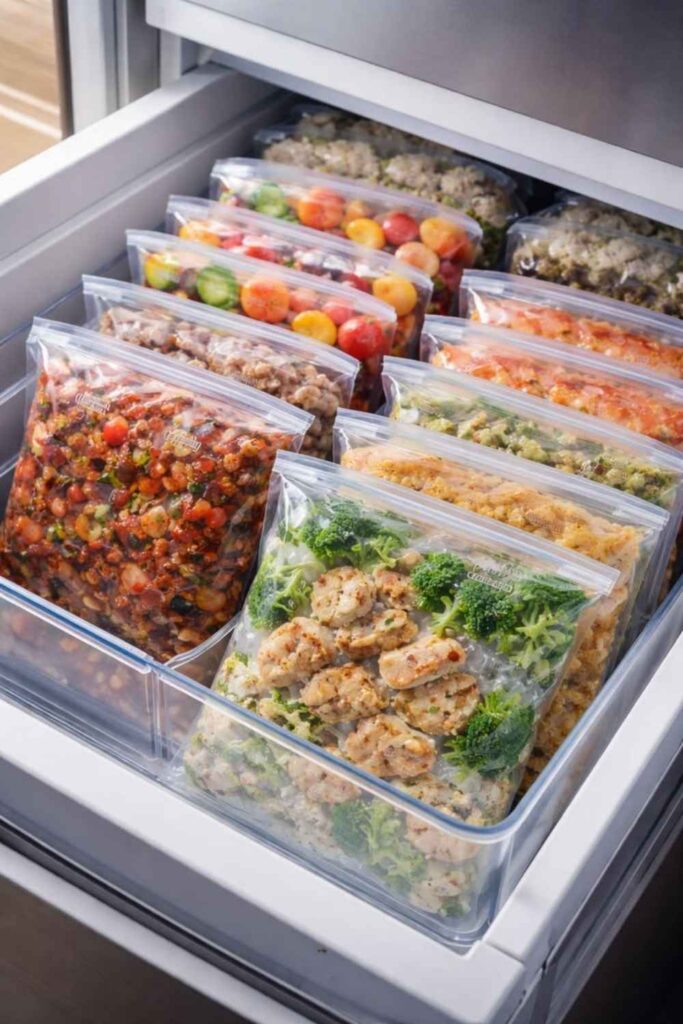
A pantry inventory that isn’t connected to what you’re actually cooking is just a database. The link between the two is where the value lives.
Each week, before planning meals, glance at your inventory list. What proteins do you have? What staples need using? Plan meals around what you already own first, then fill gaps with your grocery list. This is the reverse of most people’s approach (decide what to cook → buy everything needed → ignore what’s already there).
The shift is subtle but compounds over time. You stop buying ingredients that duplicate what you have. You stop cooking past staples while fresh ones accumulate.
Strong opinion: Meal planning without checking your inventory is like budgeting without looking at your bank account. It feels like planning but doesn’t actually save you anything.
Do a 5-Minute Weekly Pantry Scan
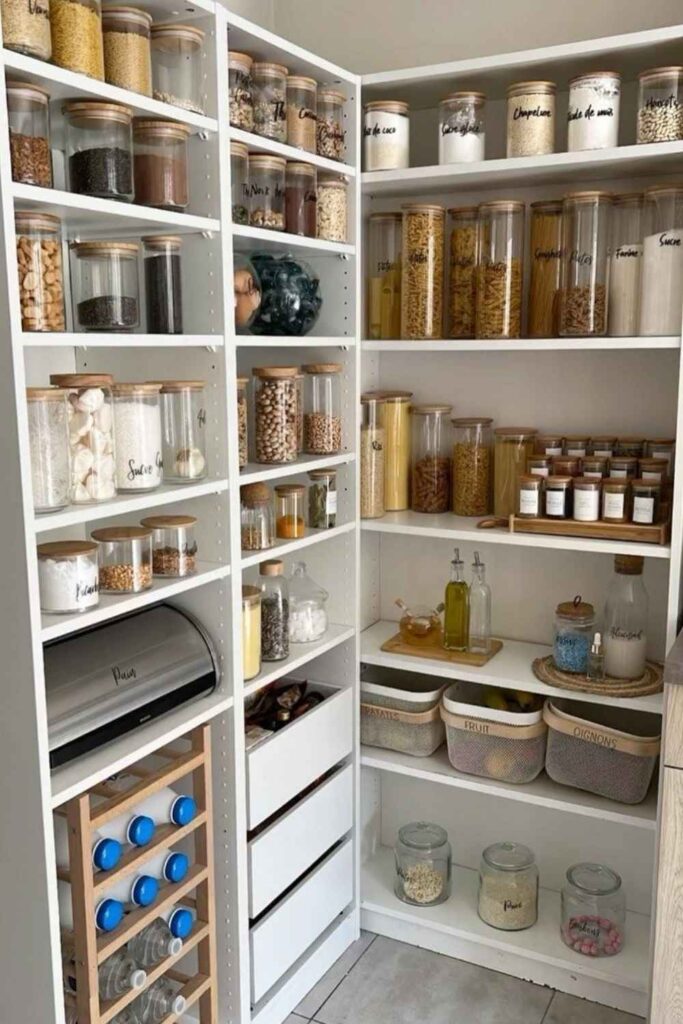
Deep organization sessions are great but unsustainable as a weekly habit. A 5-minute scan is not.
Every Sunday (or whichever day precedes your grocery run), do a quick visual sweep of your pantry, fridge, and freezer. Note what’s running low, what’s close to expiring, and what got buried. Update your inventory list with any changes. That’s the whole system.
The compounding effect of 5 minutes per week is massive. It keeps your inventory accurate, your “use first” bin populated, and your grocery list aligned with reality rather than guesswork.
Mistake to avoid:
Don’t make this an organizational session. Resist the urge to reorganize while scanning. That turns 5 minutes into 45 and the habit collapses under its own scope.
Keep Your Grocery List Attached to Your Inventory
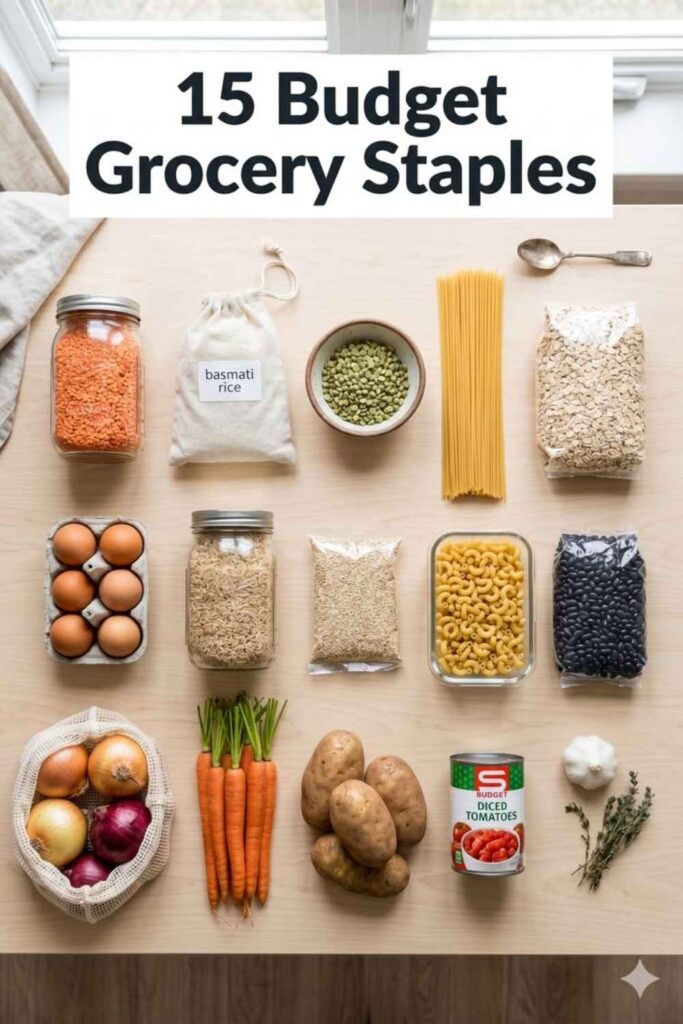
The grocery list and the pantry inventory should be the same document or at least directly linked.
When you finish a jar of tomato paste, it goes on the list immediately. Not later. Not when you’re at the store and trying to remember. The lag between “used it up” and “wrote it down” is where grocery gaps happen.
A shared grocery list app (AnyList, OurGroceries, or just a shared note in your phone) that both household members can update in real time eliminates the “I thought you bought it” problem entirely. It also means whoever’s at the store always has the right list.
Specific insight: The #1 reason for duplicate purchases is a time gap between use and documentation. Closing that gap to zero adds it to the list the moment you finish it is the single highest-impact habit in this entire guide.
Own Less Storage Than You Think You Need
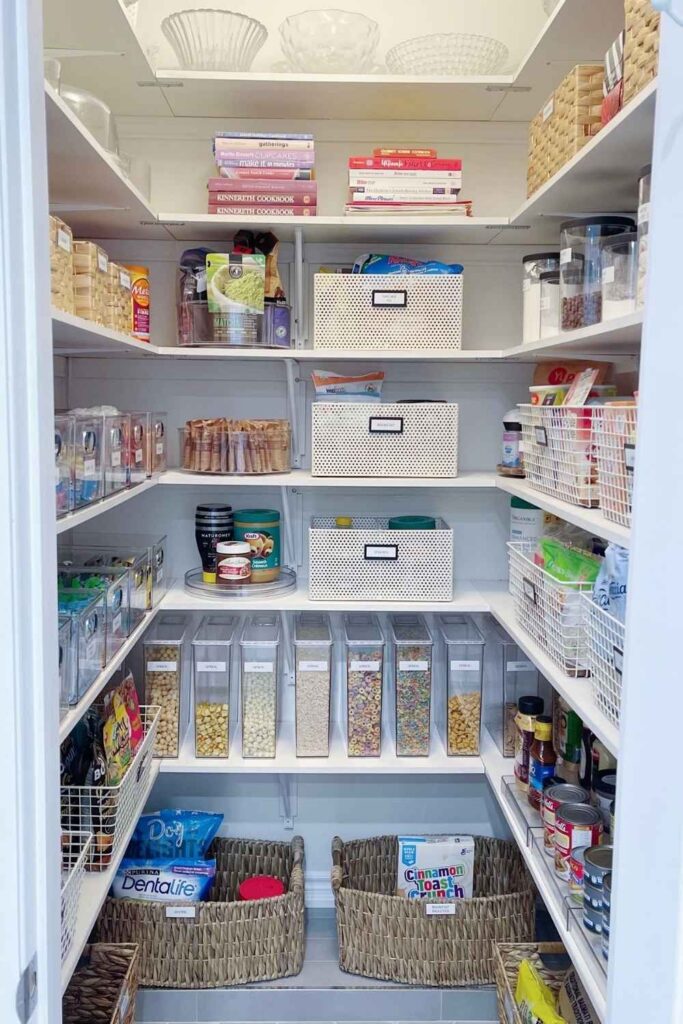
Here’s the one tip that runs counter to every pantry organization blog: don’t max out your storage capacity.
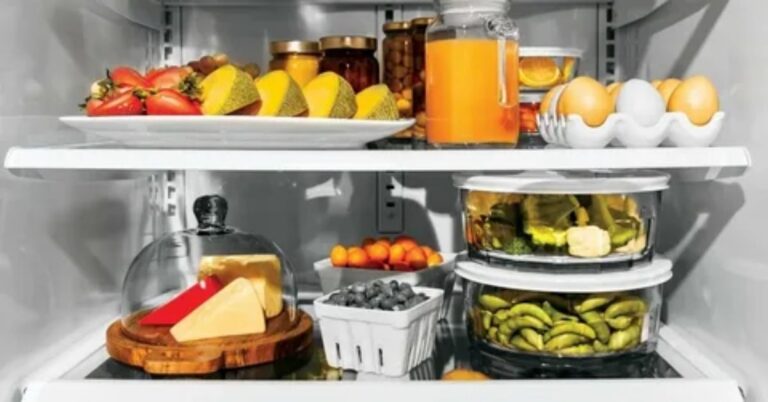
When your pantry is full, items get buried. You lose visibility. You buy duplicates. You forget what you have. A pantry at 70–75% capacity is easier to navigate, faster to scan, and dramatically less likely to harbor expired goods in hidden corners.
This means being more selective about what comes in buying less at once, resisting “just in case” purchases, and periodically purging items you’ve stopped using. Counterintuitively, a less-stocked pantry feels more abundant because you can actually see and access everything in it.
Contrarian take: More storage containers don’t solve a pantry management problem; they delay it. A set of matching glass jars looks great and tells you nothing about whether the millet inside is still good. The system matters more than the storage hardware.
Pantry Management Method Comparison
| Approach | Best For | Time Investment | Biggest Benefit | Watch Out For |
| FIFO Rotation | All households | ~30 sec/shop | Eliminates expired goods | Forgetting to push old stock forward |
| Digital Inventory | Multi-person households | ~5 min/week | Shared visibility | Over-tracking minor items |
| “Use First” Bin | Visual learners, busy cooks | ~2 min/week | Reduces cognitive load | Bin getting too full and ignored |
| Eat Down Strategy | Budget-focused households | 10 min before shopping | Lowers grocery spend | Requires some cooking flexibility |
| Meal-Linked Planning | Meal planners | ~15 min/week | Stops duplicate buying | Needs consistent inventory updates |
| 70% Capacity Rule | Everyone | Ongoing mindset | Better visibility | Resisting bulk-buy temptation |
Key Takeaways
Go for a full audit first if you’ve never done one it resets your baseline and reveals the actual problem (usually: duplicates + buried items, not insufficient storage)
FIFO is non-negotiable for anyone serious about cutting food waste it’s the single fastest habit to implement
Skip the matching container sets if your real issue is tracking and rotation; pretty storage doesn’t fix a visibility problem
The “use first” bin beats any app for households that want low-maintenance waste reduction
Bulk buying saves money only on items you use at high frequency run the real math before loading the cart
5 minutes weekly beats quarterly deep-dives consistency over intensity, every time
FAQ’s
How do I maintain a kitchen inventory without it feeling like a chore?
Limit what you track. A full inventory of every item in your kitchen is overkill and focuses on 20–30 staples you buy repeatedly. Use a shared digital list you can update in under 30 seconds. The moment tracking feels like homework, it stops happening. Keep the barrier absurdly low.
What’s the best way to track expiration dates without obsessing over them?
You don’t need to log every expiration date. Instead, do a quick sweep when unpacking groceries and move anything expiring in the next 2–3 weeks to your “use first” zone. For the freezer, write the date on items when you freeze them. That’s where the memory gap actually hurts you.
Is it worth buying pantry organization containers and systems?
Only after your current system is working. Buying matching jars and labels before you’ve nailed the habits is backwards; you’ll end up with beautifully organized expired food. Establish rotation, scanning, and inventory habits first. Then invest in containers if visibility is still a problem.
Conclusion
A functional kitchen inventory isn’t a project, it’s a handful of small habits that compound quietly. The FIFO rule takes 30 seconds per shopping trip. The weekly scan takes 5 minutes. The “use first” bin takes two minutes to set up. None of this requires a pantry makeover or an organizational overhaul.
Start with the audit, pick two habits from this list, and run them for a month before adding more. The goal is a pantry you can trust, one where you know what you have, use what you buy, and stop paying for food that ends up in the trash.