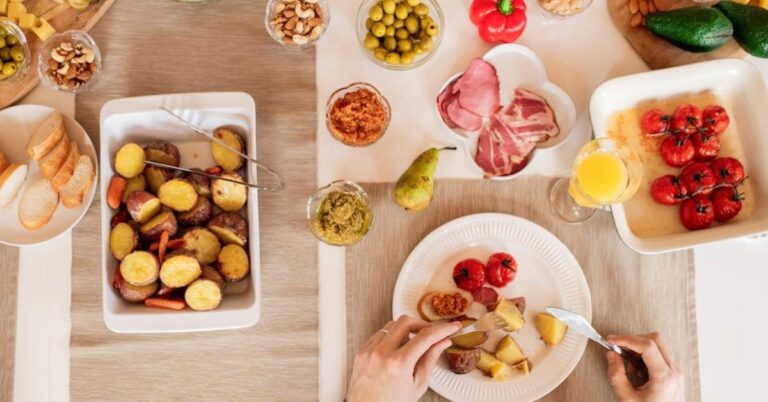

33 Weekly Meal Plans That Actually Work (No Burnout, No Waste)
You know that moment when it’s 6 PM on a Tuesday, you’re exhausted, and you’re staring at a fridge full of ingredients that somehow don’t go together? That’s not a grocery problem, that’s a planning problem. And it’s exactly what a solid weekly meal plan fixes before the week even starts.
Weekly meal planning isn’t about eating the same sad salad five days in a row. Done right, it’s the thing that quietly saves you money, cuts your stress in half, and makes you feel like you actually have your life together even when you don’t. Meals flow into each other, ingredients pull double duty, and Sunday you do a favor for Thursday you.
If your week tends to go sideways by Wednesday, these meal plans are built for real life, not a fantasy version of it where you have three hours free every evening.
The “Cook Once, Eat Three Times” Weekly Meal Plan

Most meal plans treat every dinner like a fresh start. That’s the mistake. The smartest weekly meal plans are built around anchor proteins, one big batch cook that quietly shows up in three different meals without anyone feeling like they’re eating leftovers.
Roast a whole chicken on Sunday. Monday it’s sliced over a grain bowl with roasted veg. Wednesday it becomes a quick chicken quesadilla. Friday, the carcass becomes broth for a simple noodle soup. That’s three dinners, one cooking session, and almost zero food waste.
The key is choosing a neutral-enough protein that takes on new flavor with different sauces and seasonings. Chicken thighs, ground turkey, or a large batch of lentils all work beautifully here.
The practical move: Plan your anchor protein first, then build three meals around it before filling in the rest of the week. Most people do it backward and then wonder why they’re throwing food away on Sunday.
Specific insight competitors miss: Pair your anchor protein with at least two different acid profiles across the week (citrus one night, vinegar-based the next) this is what makes it feel like totally different meals instead of monotonous repeats.
Read More About:32 Easy Meal Prep Recipes for Fresh Weekly Lunches
The High-Energy Monday–Wednesday Plan Save the Easy Meals for Later
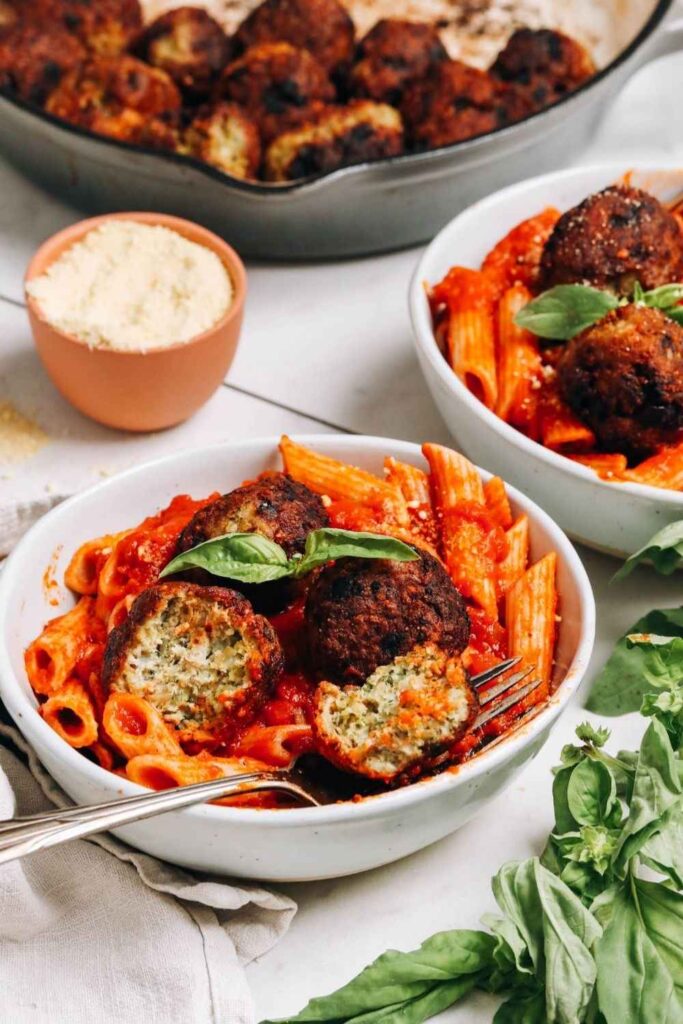
Here’s a counterintuitive truth about weekly meal planning: most people burn out by Thursday because they front-loaded complex meals when motivation was high, then had nothing left in the tank when they actually needed a win.
Flip the logic. Put your slightly more involved meals at the start of the week: a stir-fry, a sheet pan dinner, and homemade pasta when you’re rested and motivated. Then let the week get progressively easier. Wednesday is a grain bowl. Thursday is tacos from Monday’s leftover protein. Friday is breakfast for dinner or a quality frozen pizza, guilt-free.
This isn’t laziness. It’s energy management applied to food.
Mistake to avoid: Don’t schedule a multi-step recipe for Friday. Nobody is making a béchamel at 7 PM after a full work week. That meal will not happen.
Opinion worth having: Breakfast for dinner deserves a permanent Friday spot. Scrambled eggs, toast, and sliced avocado takes 10 minutes and hits harder than a labored Thursday meal you resented cooking.
Read More About:31 Weight Loss Meals That Actually Keep You Full (No Rabbit Food Required)
The $75 Weekly Meal Plan for Families
Budget meal planning has a bad reputation tinned everything and flavorless carbs. That reputation is undeserved if you build around the right staples.
A well-structured $75 weekly meal plan for a family of four leans heavily on: dried or canned legumes, whole grains (rice, oats, barley), seasonal produce, eggs, and one or two affordable proteins like chicken thighs or canned fish. These aren’t compromise foods, they’re the backbone of some of the most beloved cuisines in the world.
Sample week on ~$75:
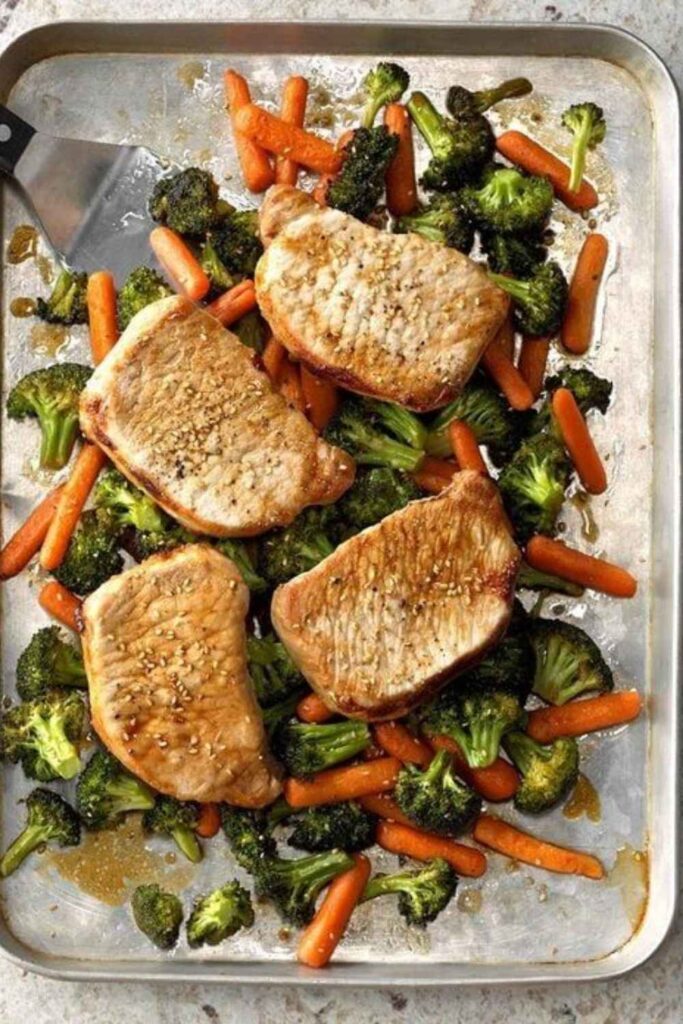
Monday: Sheet pan chicken thighs with roasted sweet potato and broccoli
Tuesday: Black bean tacos with cabbage slaw
Wednesday: Fried rice using Monday’s leftover grain + egg + frozen peas
Thursday: Lentil soup with crusty bread
Friday: Pasta with canned tomatoes, garlic, and parmesan
Weekend: Egg-based brunch + a simple grain salad from pantry staples
Specific insight: The biggest hidden budget drain isn’t meat it’s fresh herbs bought in full bunches and used for one garnish. Swap to dried herbs mid-week and use scallions instead. They cost less and last longer.
The 30-Minute Weeknight Weekly Meal Plan
Speed is non-negotiable for most home cooks. But the usual “30-minute meals” advice skips the thing that actually makes them fast: mise en place thinking applied at the weekly level, not the daily level.
If you chop your onions, mince your garlic, and portion your proteins on Sunday, your Tuesday stir-fry is genuinely 15 minutes. Without that prep? It’s 35 minutes and a messy kitchen. The meal didn’t get faster and the prep shifted.
The weekly lineup that keeps things under 30 minutes:
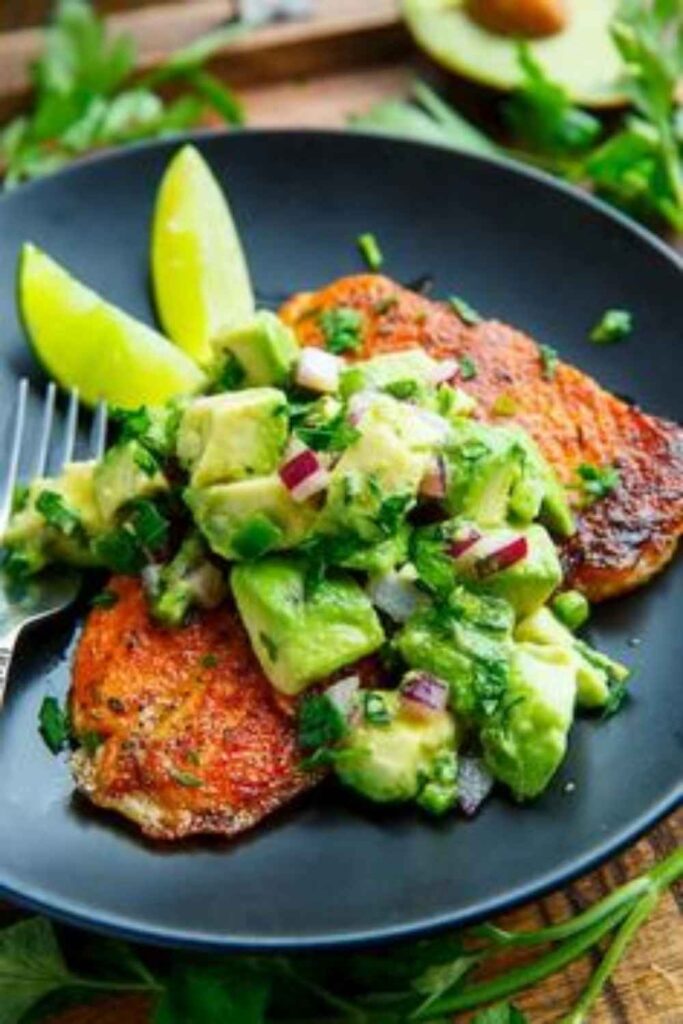
Monday: Sheet pan salmon with asparagus (one pan, 20 min)
Tuesday: Chicken stir-fry over rice (pre-chopped veg, 15 min)
Wednesday: Chickpea and spinach curry from canned goods (20 min)
Thursday: Turkey lettuce wraps with hoisin (15 min)
Friday: Shakshuka eggs poached in spiced tomato sauce (20 min)
Direct comparison: Sheet pan meals beat stovetop for weeknights 9 times out of 10. Less stirring, less watching, less chance of burning something while you’re answering emails.
Read More About:30 Easy Mediterranean Diet Recipes That Are Actually Worth Making in 2026
The Healthy Weekly Meal Plan That Doesn’t Feel Like a Diet
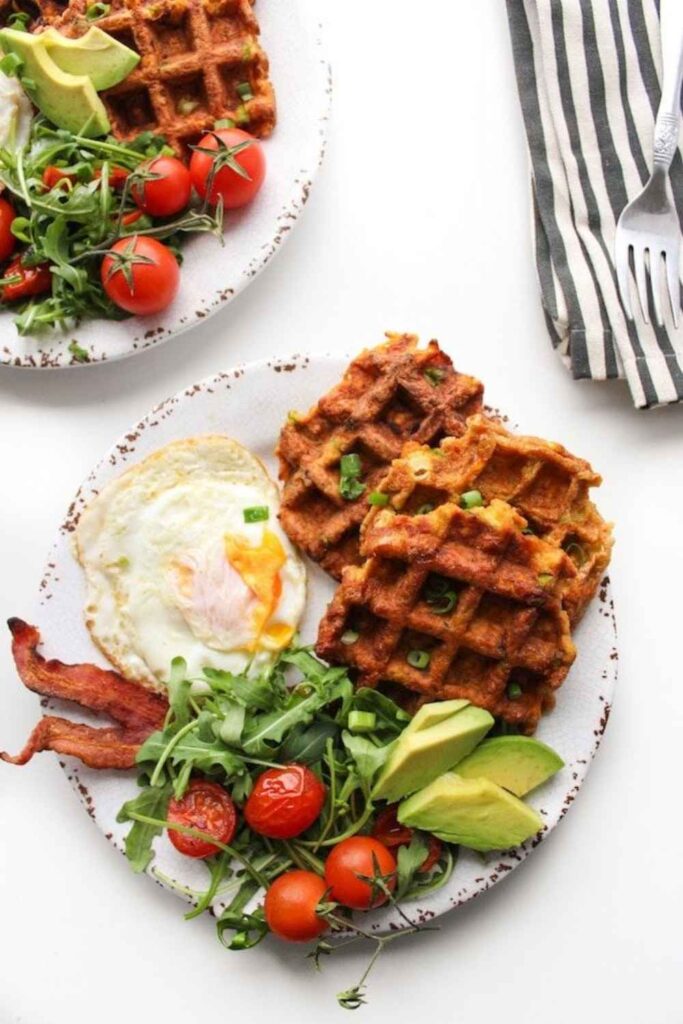
Healthy meal planning fails when every meal feels punishing. Grilled chicken and steamed broccoli, again. The issue isn’t the food, it’s the absence of satisfaction. A nutritionally solid week should still include meals you’re actually excited about.
Honestly, the best healthy weekly meal plans are built around abundance, not restriction. Load the plate with volume roasted vegetables, big salads with texture, grain bowls with interesting toppings and the protein and calorie balance usually takes care of itself without obsessive tracking.
A balanced weekly structure:
2 plant-forward dinners (lentil dal, veggie stir-fry)
2 lean protein dinners (baked fish, turkey meatballs)
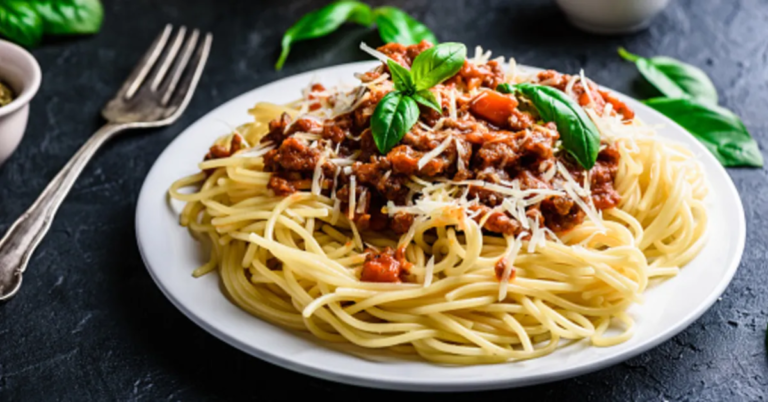
1 comfort meal with smart swaps (cauliflower mac, turkey bolognese)
2 flexible days (leftovers, simple eggs, or a treat meal)
Specific insight: Add one “trophy meal” per week, something that feels indulgent but is actually well within your goals. Salmon with garlic butter and roasted potatoes, for example. It resets the psychological relationship with eating well and makes the plan sustainable past week three.
The Vegetarian Weekly Meal Plan With Real Staying Power
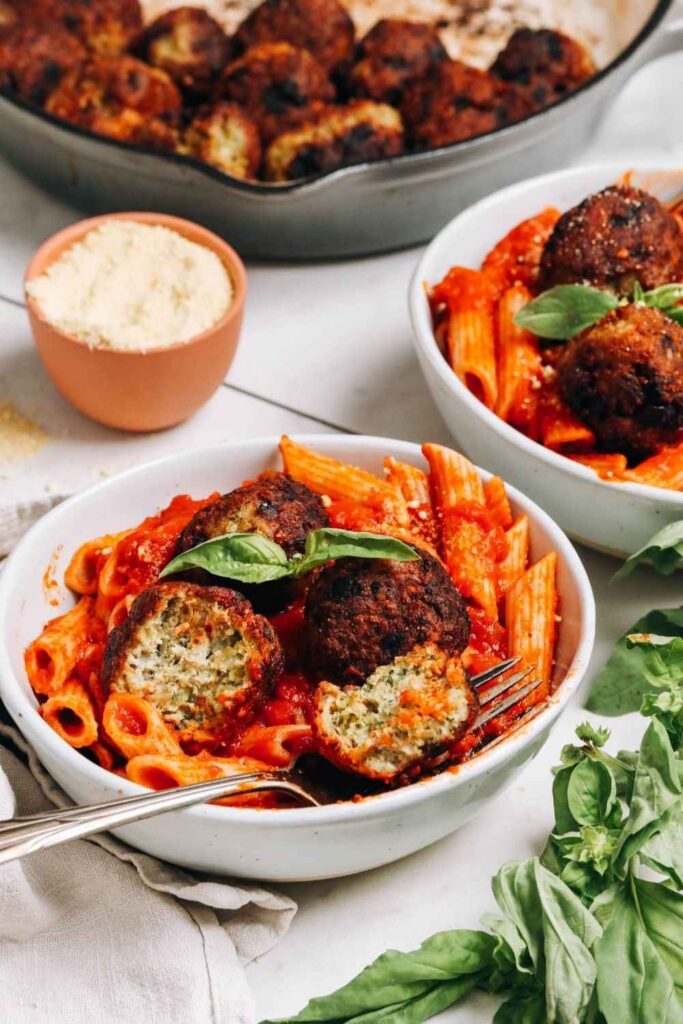
Vegetarian weekly meal plans often fall short on one thing: satiety. Not protein satiety. There’s a difference. A meal can hit 20g of protein and still leave you raiding the pantry at 10 PM if it lacks fat, fiber, and proper seasoning.
The fix is building every vegetarian meal around three pillars: a legume or whole grain for protein and staying power, a fat source (olive oil, tahini, avocado, cheese), and an acid (lemon, vinegar, pickled something) to bring brightness and make the dish feel complete.
Weekly structure that works:
Monday: Chickpea shakshuka with crusty bread
Tuesday: Black bean and sweet potato tacos with chipotle crema
Wednesday: Lentil and roasted carrot soup
Thursday: Farro salad with roasted beets, goat cheese, and walnuts
Friday: Mushroom and ricotta pasta
Weekend: Veggie frittata + grain bowls from pantry leftovers
Comparison worth making: Mushrooms beat tofu for most non-vegetarians easing into plant-based eating. The umami is immediate, the texture is familiar, and you don’t need to press or marinate anything.
The Meal Prep Sunday Plan (That Takes 2 Hours, Not 5)
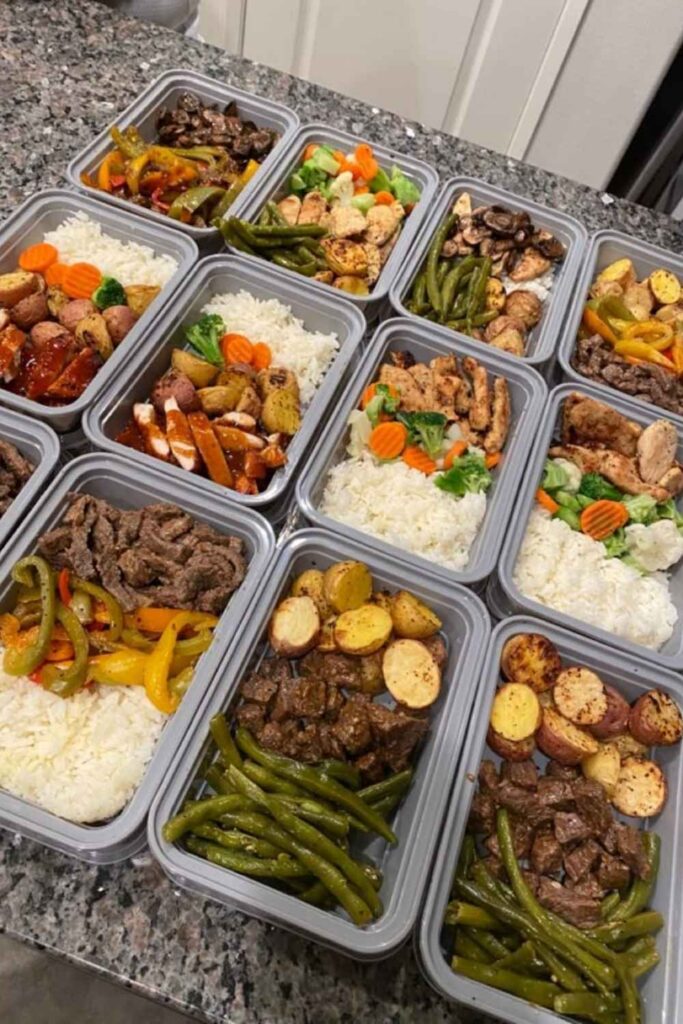
The Pinterest version of meal prep Sunday is intimidating every container labeled, 14 dishes cooling on the counter, a timeline that requires military precision. The realistic version is more useful and far less exhausting.
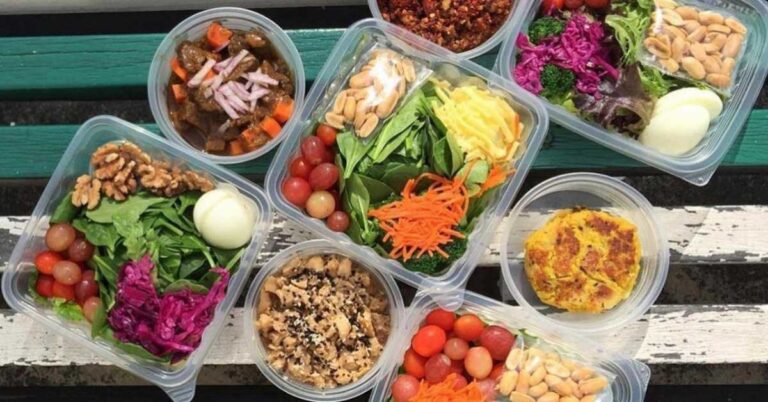
A two-hour Sunday session should produce: one cooked grain, one roasted vegetable tray, one protein batch, one sauce or dressing, and washed/chopped salad greens. That’s it. Those five components let you assemble four to five different meals across the week without cooking a single “full meal” in advance.
The 2-hour Sunday framework:
0:00–0:20 → Cook a big pot of rice or quinoa
0:20–0:50 → Roast two sheet pans of vegetables (different types)
0:50–1:20 → Cook anchor protein (chicken thighs, ground meat, or a bean batch)
1:20–1:40 → Make one sauce (tahini-lemon, salsa verde, or peanut sauce)
1:40–2:00 → Wash greens, chop snack veg, portion fruit
Strong opinion: Pre-made “full meals” go soggy. Component prep doesn’t. Keeping elements separate until serving means every meal during the week tastes like it was just made because, technically, it was.
Quick Comparison: Which Weekly Meal Plan Fits Your Life?
| Meal Plan Style | Best For | Time Investment | Budget Level | Difficulty |
| Cook Once, Eat Three Times | Efficiency lovers | Low (1 big cook) | Low–Medium | Easy |
| High-Energy Front-Loading | Motivated starters who fade by Thursday | Medium | Flexible | Moderate |
| $75 Family Budget Plan | Families watching spending | Medium | Low | Easy |
| 30-Minute Weeknights | Busy professionals | Low–Medium | Medium | Easy |
| Healthy (Non-Diet Feel) | Balanced eating without restriction | Medium | Medium | Easy–Moderate |
| Vegetarian with Staying Power | Plant-based eaters or flexitarians | Medium | Low–Medium | Moderate |
| Meal Prep Sunday | People who want zero weeknight decisions | High (Sunday only) | Flexible | Moderate |
Key Takeaways
Go for the “Cook Once, Eat Three Times” plan if your main goal is cutting time and food waste without sacrificing variety
Choose the 30-Minute Weeknight plan if your schedule is unpredictable and you need speed over everything
Skip the full meal-prep approach if you dislike eating food that’s been sitting in containers component prep is a better fit
The budget plan works best if you’re willing to embrace legumes as a protein anchor, not just a side dish
Front-load complex meals early in the week regardless of which plan you follow this single habit cuts midweek burnout significantly
Add one “trophy meal” weekly if you’ve failed to stick to healthy eating plans before it resets your motivation without derailing progress
FAQ’s
How do I stick to a weekly meal plan without getting bored?
Rotate one variable each week with a different grain, a new sauce, or a different vegetable prep method. Keeping the structure the same while changing small details creates variety without requiring a full replanning session each week. Most people get bored because they change everything at once and exhaust themselves, not because the plan itself fails.
Is it better to plan all 7 days or leave some flexibility?
Planning 5 days and leaving 2 flexible is more sustainable than a rigid 7-day plan for most people. Use the flexible slots for takeout, leftovers, or spontaneous meals; having that breathing room actually makes you more likely to follow through on the planned days.
How far in advance should I do my grocery shopping for a weekly meal plan?
Shop once at the start of the week ideally Saturday or Sunday before prep day. A single shopping trip based on a complete list reduces impulse buys, cuts cost, and means you’ll actually have everything you need when Wednesday hits and you’re not in the mood to improvise.
Conclusion
The best weekly meal plan isn’t the most elaborate one, it’s the one you’ll actually follow past the first Tuesday. Start with one framework from this list that matches your real life, not your aspirational version of it, and build from there.
One good week of planning creates momentum. Two in a row becomes a habit. By week four, you’ll wonder how you ever let 6 PM catch you off guard.